



OCT 27 | 4:00 PM

Alle Auktionen / Möbel, Design und Spiegel / A Chinese orange-ground qiangjin and tianqi 'four seasons' alter table
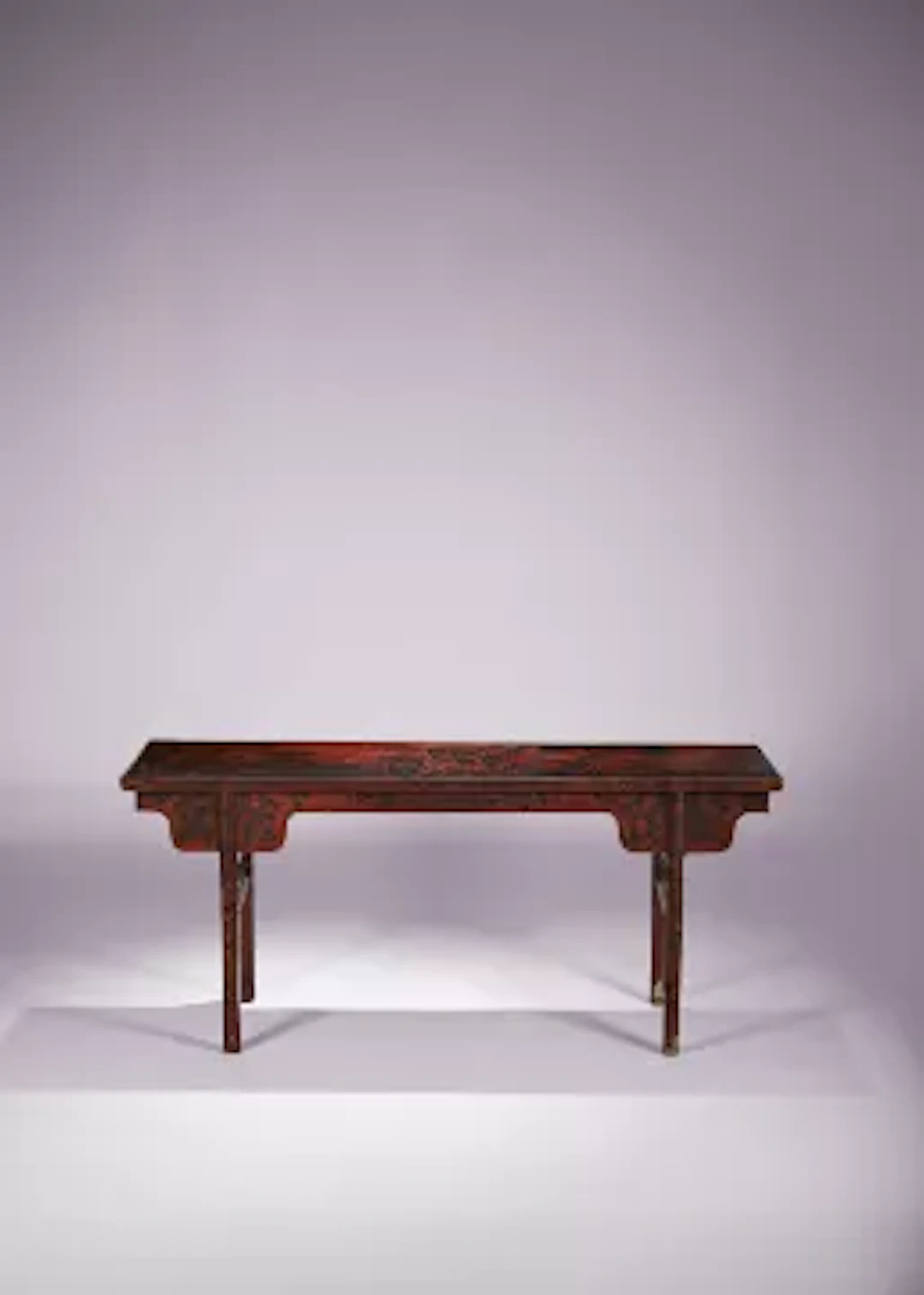
A Chinese orange-ground qiangjin and tianqi 'four seasons' alter table, pingtou'an 17th century the table top finely decorated with a central rockwork with two magpies perched on the magnolia branches, further flowers including lotus, chrysanthemum, prunus, peach, finger citrus and peony, all against a tianqi key-fret ground, the apron and recessed legs further decorated with squirrels and grapes, 81cm high, 187cm wide, 52cm deep Polychrome lacquer furniture that was either tianqi (brush painted) or qiangjin (gold-engraved and filled-in technique) was popular in the late Ming dynasty, its popularity continuing well into the early Qing dynasty. Although this table does not bear a reign mark, the confronting phoenixes at each end, usually associated with the Empress, could suggest that it was made to furnish one of the Imperial palaces. The superb quality of the design indicates that it may have been made by the Yuyong Jian, the Imperial Furniture Workshop, located in the Imperial Palace and responsible for making all the furniture used by the imperial family. Compare an early Qing dynasty qiangjin and tianqi lacquer altar table, from the Qing court collection, illustrated in The Complete Collection of Treasures of the Palace Museum, Furniture of the Ming and Qing Dynasties (I), Hong Kong, 2002, pl. 144, as well as two other lacquer altar tables preserved in the forbidden city, published in Hu Desheng, A Treasury of Ming and Qing Dynasty Palace Furniture, vol. 1, Beijing, 2008, pp. 252-253, figs. 289-290. The scene on the top depicting a kingfisher in a lotus pond is similar to the decoration found on the top of a 16th century recessed leg painting table, preserved in the Musée Guimet, Paris, illustrated and discussed in Michel Beurdeley, Chinese Furniture, New York, 1979, pls. 146 and 154. In high-ranking Chinese households of the late Ming and Qing dynasties, tables of such impressive proportions with upturned ends demonstrated the status and wealth of their owners. Known among modern cabinet makers as qiaotouan, tables of this type are discussed in Wen Zhenheng's (1585-1645) influential Zhangwu zhi [Treatise on Superfluous Things], the late 17th century guide to refined taste. Here, Wen recommended that such tables were placed underneath a painting and even suggested that 'one may place such things as fantastic rocks, seasonal flowers, or miniature tray-landscapes; but avoid garish objects such as red lacquerware'. For further discussions on this type of tables, see Sarah Handler, Austere Luminosity of Chinese Classical Furniture, Berkeley, 2001, pp. 226-235 where the author explains that these 'served primarily as a side table, although it could also be used as a domestic altar table', publishing several known wood examples of this type, including an exceptionally large (343.5 by 89 by 50 cm) tieli side table in the Palace Museum, Beijing, dated to the Chongzhen reign (c. 1640), pl. 14.3, as well as a woodblock print showing a side table in situ in a 17th century interior, pl. 14.4. Provenance: A Private UK Collection 十七世紀 戧金填漆四時花卉松鼠葡萄圖平頭案 拍品來源:英國私人收藏 Condition Report: the surface with areas of repair and infill especially to the bottom right area of the table top and other losses, cracks, chips and wear commensurate with age some losses to lacquer on legs Condition Report Disclaimer, A Chinese orange-ground, qiangjin, and, tianqi ', four seasons' alter table, pingtou'an, A Chinese orange-ground qiangjin and tianqi 'four seasons' alter table, pingtou'an 17th century the table top finely decorated with a central rockwork with two magpies perched on the magnolia branches, further flowers including lotus, chrysanthemum, prunus, peach, finger citrus and peony, all against a tianqi key-fret ground, the apron and recessed legs further decorated with squirrels and grapes, 81cm high, 187cm wide, 52cm deep Polychrome lacquer furniture that was either tianqi (brush painted) or qiangjin (gold-engraved and filled-in technique) was popular in the late Ming dynasty, its popularity continuing well into the early Qing dynasty. Although this table does not bear a reign mark, the confronting phoenixes at each end, usually associated with the Empress, could suggest that it was made to furnish one of the Imperial palaces. The superb quality of the design indicates that it may have been made by the Yuyong Jian, the Imperial Furniture Workshop, located in the Imperial Palace and responsible for making all the furniture used by the imperial family. Compare an early Qing dynasty qiangjin and tianqi lacquer altar table, from the Qing court collection, illustrated in The Complete Collection of Treasures of the Palace Museum, Furniture of the Ming and Qing Dynasties (I), Hong Kong, 2002, pl. 144, as well as two other lacquer altar tables preserved in the forbidden city, published in Hu Desheng, A Treasury of Ming and Qing Dynasty Palace Furniture, vol. 1, Beijing, 2008, pp. 252-253, figs. 289-290. The scene on the top depicting a kingfisher in a lotus pond is similar to the decoration found on the top of a 16th century recessed leg painting table, preserved in the Musée Guimet, Paris, illustrated and discussed in Michel Beurdeley, Chinese Furniture, New York, 1979, pls. 146 and 154. In high-ranking Chinese households of the late Ming and Qing dynasties, tables of such impressive proportions with upturned ends demonstrated the status and wealth of their owners. Known among modern cabinet makers as qiaotouan, tables of this type are discussed in Wen Zhenheng's (1585-1645) influential Zhangwu zhi [Treatise on Superfluous Things], the late 17th century guide to refined taste. Here, Wen recommended that such tables were placed underneath a painting and even suggested that 'one may place such things as fantastic rocks, seasonal flowers, or miniature tray-landscapes; but avoid garish objects such as red lacquerware'. For further discussions on this type of tables, see Sarah Handler, Austere Luminosity of Chinese Classical Furniture, Berkeley, 2001, pp. 226-235 where the author explains that these 'served primarily as a side table, although it could also be used as a domestic altar table', publishing several known wood examples of this type, including an exceptionally large (343.5 by 89 by 50 cm) tieli side table in the Palace Museum, Beijing, dated to the Chongzhen reign (c. 1640), pl. 14.3, as well as a woodblock print showing a side table in situ in a 17th century interior, pl. 14.4. Provenance: A Private UK Collection 十七世紀 戧金填漆四時花卉松鼠葡萄圖平頭案 拍品來源:英國私人收藏, tianqi, Provenance:, Condition Report:, the surface with areas of repair and infill especially to the bottom right area of the table top and other losses, cracks, chips and wear commensurate with age, some losses to lacquer on legs, Condition Report Disclaimer
Schätzpreis:€2,367.37
Zur AuktionAlle Objekte ansehen vonDreweattsoderMöbel, Design und Spiegel
Schätzpreis:
€2,367.37
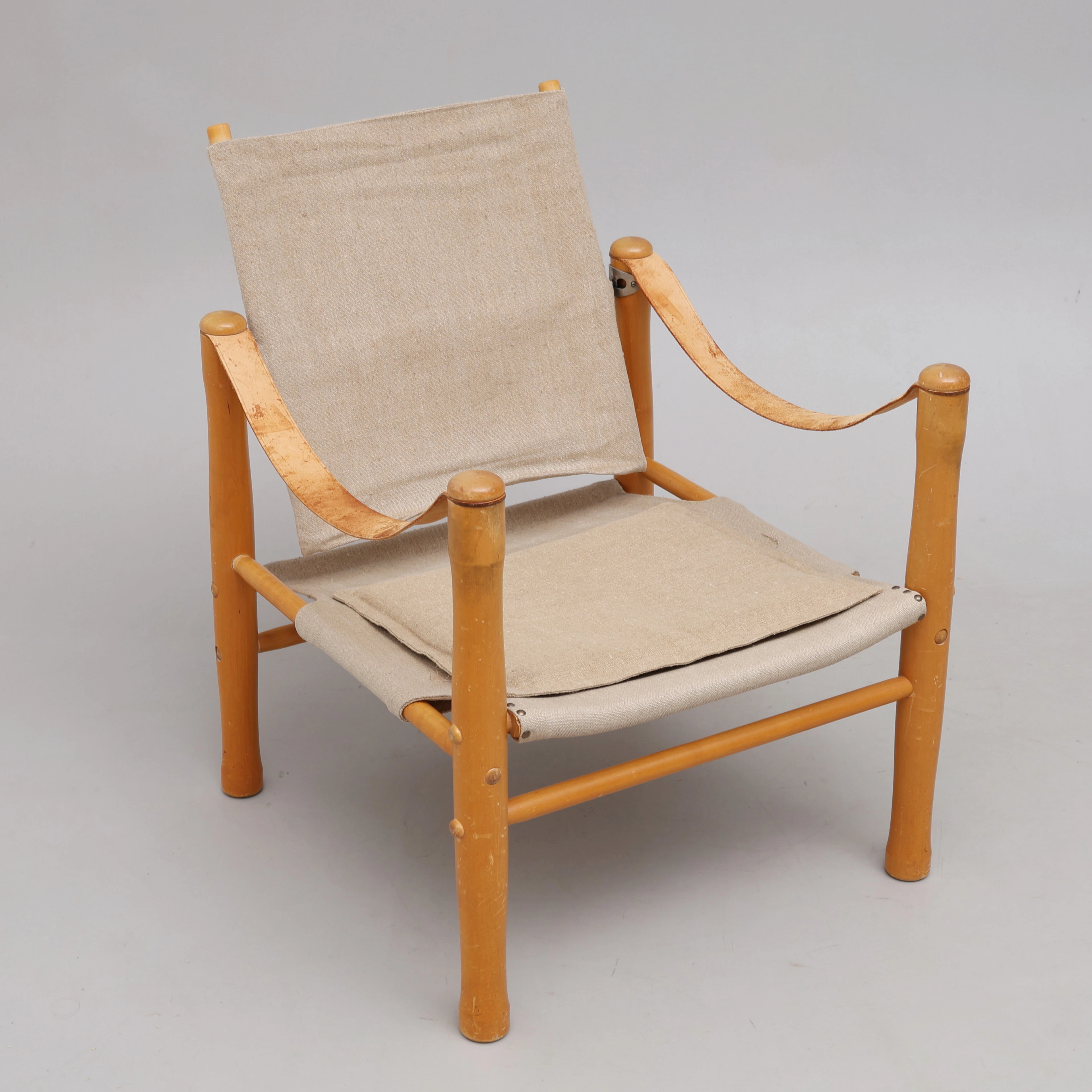
ELIAS SVEDBERG. FÅTÖLJ, SAFARIMODELL, UR TRIVA-SERIEN, NORDISKA KOMPANIET
10/12/2026
€89.58
Schätzw.: €133.88
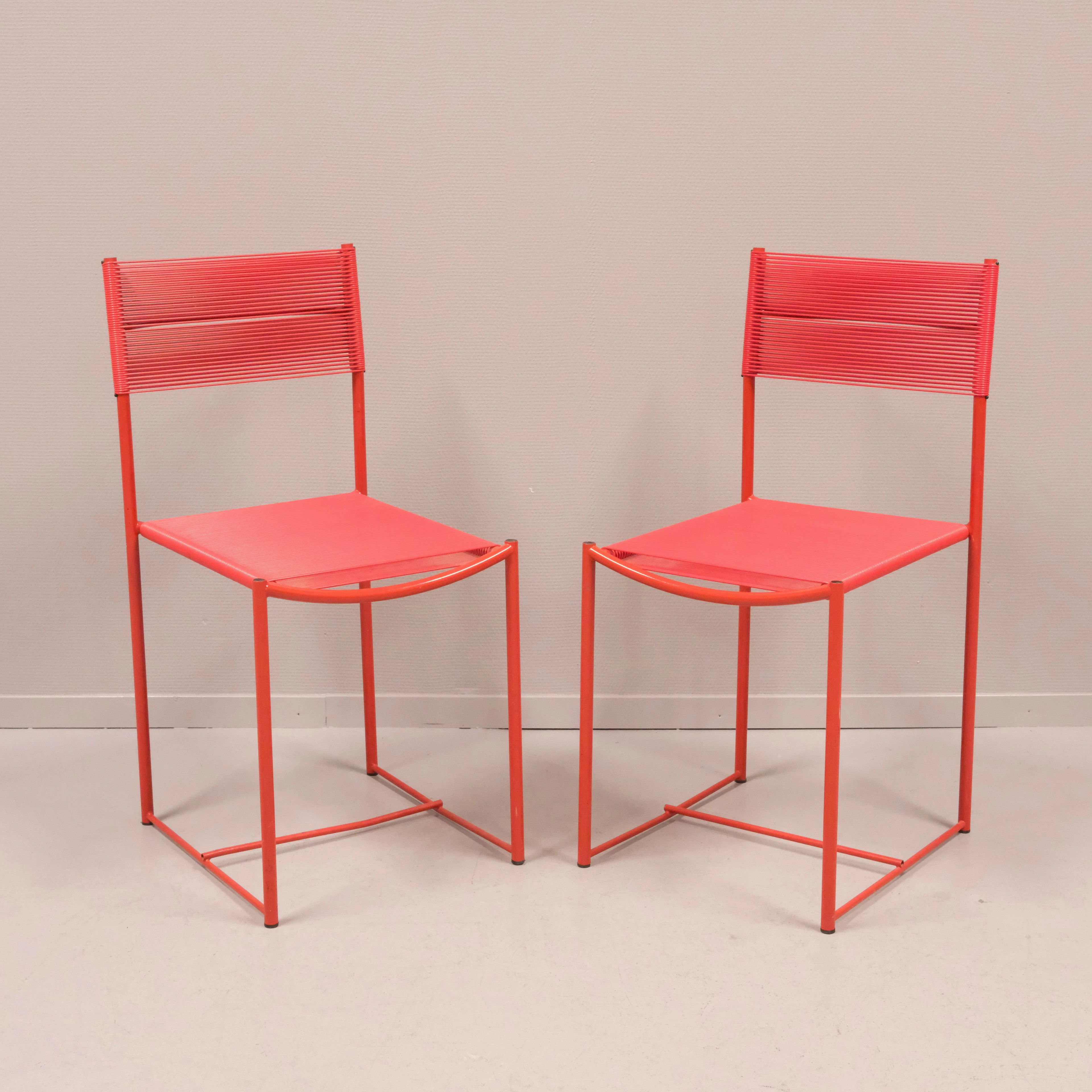
GIANDOMENICO BELOTTI. STOLAR, ETT PAR, "SPAGHETTI", ITALIEN.
10/12/2026

€31.35
Schätzw.: €44.62
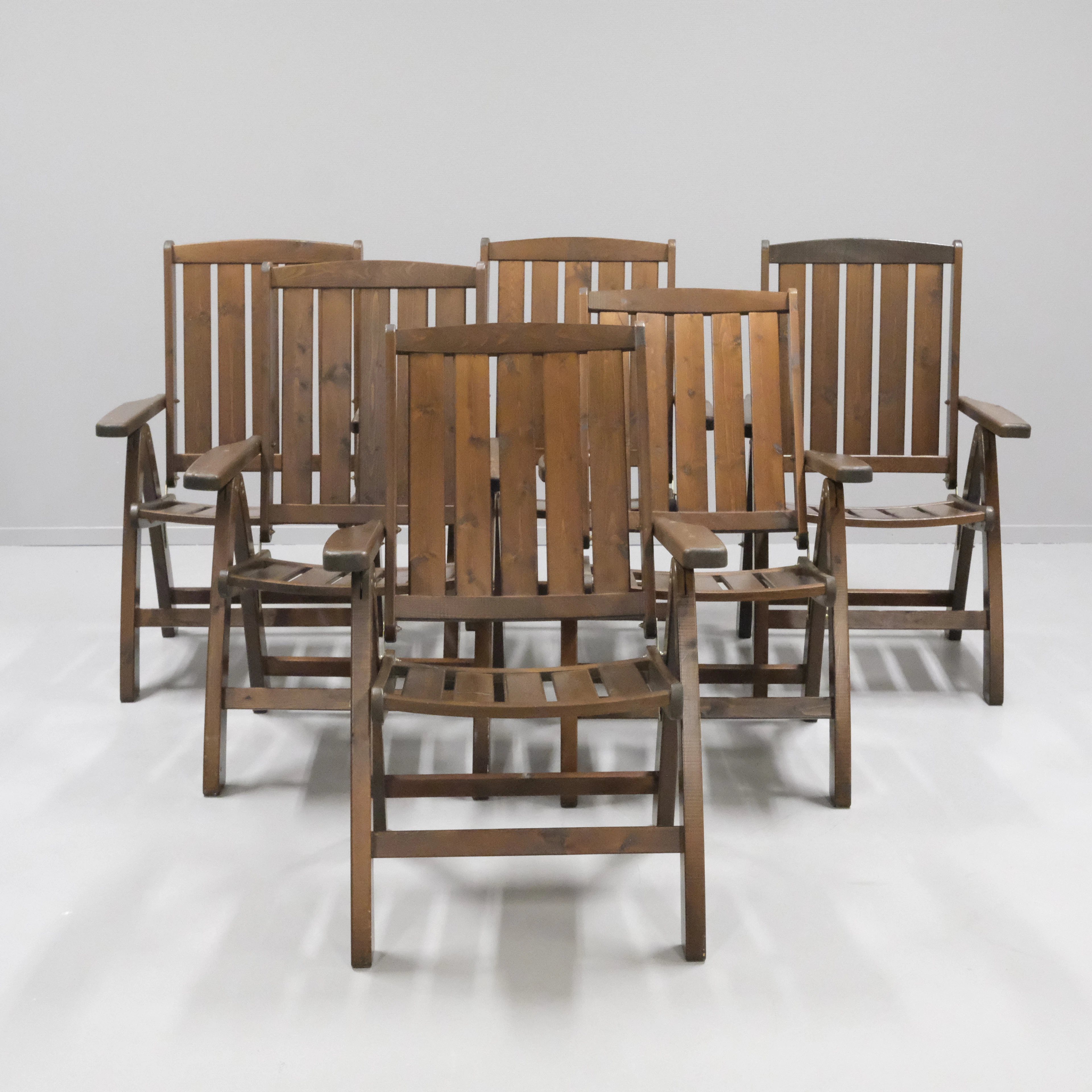
TRÄDGÅRDSMÖBEL, HILLERSTORP, BORD OCH SEX STOLAR, 11 DELAR.
10/12/2026
€76.14
Schätzw.: €178.51
OCT 27 | 4:00 PM




Bringen Sie Ihre Auktion zu Sammlern weltweit!
Jetzt eintragen lassenMit der Anmeldung stimmen Sie der Datenschutzrichtlinie zu. Jederzeit abmelden.
Barnebys HQ
Brahegatan 10
BOX 5038
114 37 Stockholm
