



NOV 7 | 5:00 PM

Alle Auktionen / Antike Kunst / Ancient Roman Bronze Crossbow Fibula – Pröttel Type 3-4


"Ancient Roman Bronze Crossbow Fibula (Zwiebelknopffibel) – Pröttel Type 3–4, Associated with Military Officers Culture / Period: Ancient Roman Date / Period: 4th–5th century A.D. Material: Bronze Dimensions: 72 mm Condition: Good condition. The pin has been repaired and remains attached. No shipping outside the European Union. Due to complex export regulations concerning cultural goods, this item cannot be shipped outside the EU. Please ensure you have a delivery address within the European Union before placing a bid. Provenance information: Object Registration ID: 869 The current owner (S.N.J. S.) purchased the Crossbow Fibula – Pröttel Type 3–4, associated with Military Officers from S.B. in Groningen. The previous owner, S.B. from Groningen (The Netherlands), stated that the object had been in his collection since 1990. According to the previous owner, the object had previously been in a private collection in The Netherlands before 1990. No further information concerning the earlier ownership history of the object was available from the previous owner. Background Information: This bronze crossbow fibula, also known as a Zwiebelknopffibel ("onion-knob fibula"), belongs to one of the most distinctive categories of dress accessories from the Late Roman Empire. The type emerged during the late 3rd century A.D. and remained in widespread use throughout the 4th and early 5th centuries. Its modern name derives from the arched bow and the three characteristic onion-shaped terminals, which together resemble the outline of a drawn crossbow. The present example can be attributed to Keller Type III and Pröttel Type 3–4, a well-established typological group dating primarily to the first half of the 4th century A.D., particularly during the reign of Constantine the Great and his successors. Characteristic features include the robust arched bow, the three knobbed terminals, and the elongated foot decorated with moulded geometric ornament. Such fibulae were manufactured in specialised workshops throughout the Roman Empire, reflecting the highly organised craftsmanship and standardised production of the Late Roman period. The crossbow fibula became one of the foremost symbols of rank and authority within the Late Roman Empire. During the 4th century A.D., brooches of Keller Type III / Pröttel Type 3–4 were closely associated with military officers, senior commanders, and imperial officials. They frequently appear in statues, mosaics, ivory diptychs, and official portraits depicting generals and members of the imperial court. More than functional dress fasteners, they served as visible insignia of office within the military and administrative hierarchy. In practical use, the fibula secured heavy cloaks such as the chlamys or sagum, garments commonly worn by officers and government officials. The pin passed through several layers of fabric before engaging the catch plate, ensuring the cloak remained securely fastened while simultaneously displaying the wearer\'s official status. Examples of this type have been recovered throughout the Roman world, from Britain and Gaul to the Danubian frontier and the eastern provinces. Their wide geographical distribution reflects the movement of Roman armies, imperial administrators, and officials across the extensive military and administrative networks that connected the empire. Dating to the reigns of Constantine I (A.D. 306–337), Constantine II, Constans, and Constantius II, this fibula belongs to a transformative period marked by military reforms, administrative centralisation, and the development of a distinctly Late Roman imperial identity. The pin has been professionally repaired and remains attached, a condition issue reflected in the description while preserving the brooch\'s historical and display value. It provides a direct and tangible connection to the military and administrative elite who wore such prestigious insignia throughout the Late Roman Empire."
Schätzpreis:€210
Zur AuktionAlle Objekte ansehen vonCatawikioderAntike Kunst
Schätzpreis:
€210
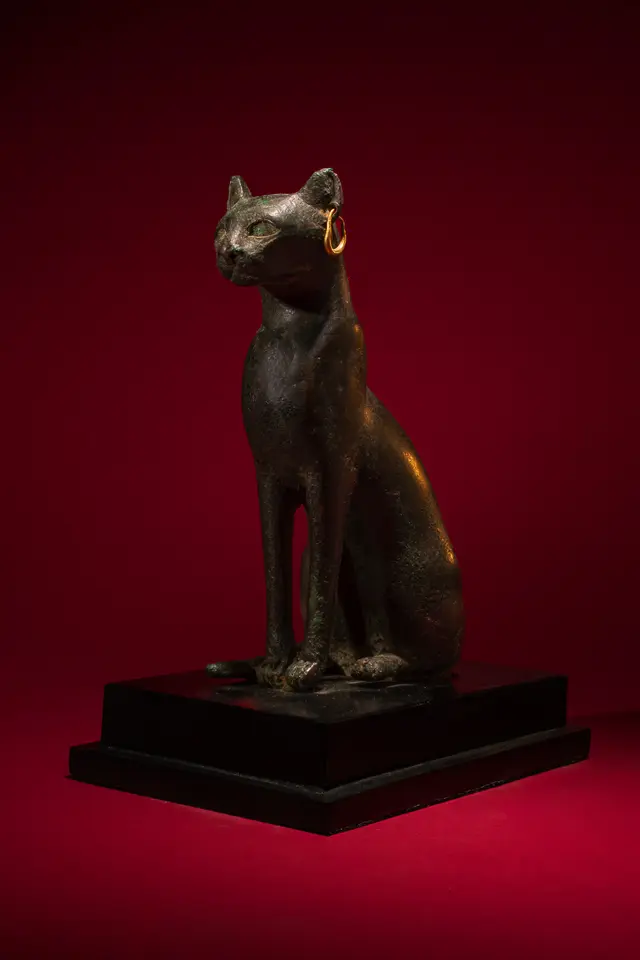
RARE EGYPTIAN BRONZE CAT STATUETTE WITH GOLD EARRINGS - LARGE SIZE
06/21/2026

€25,506.4
Schätzw.: €23,095.64
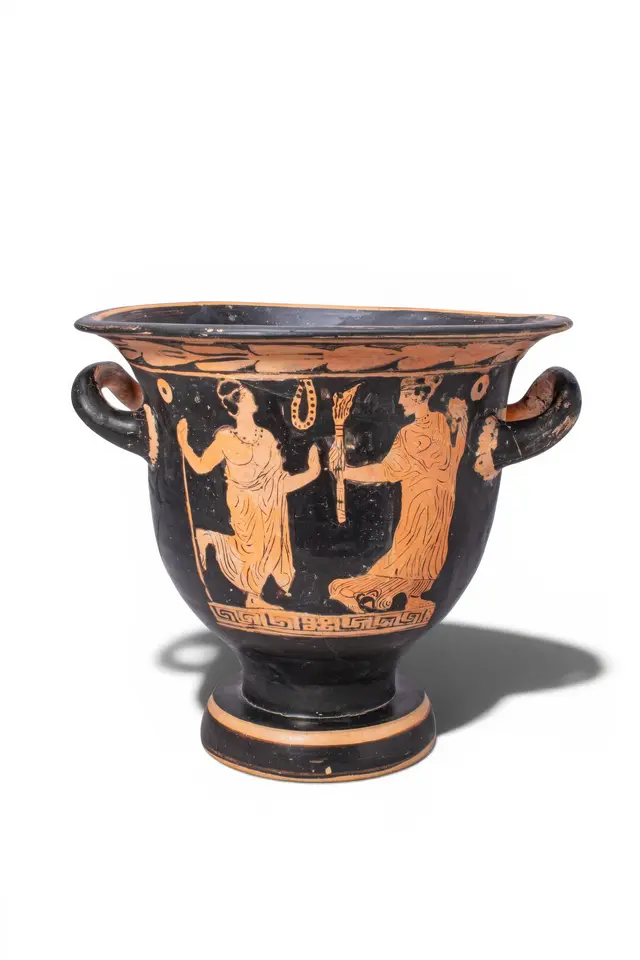
APULIAN RED-FIGURE BELL KRATER WITH KOMASTOS AND MAENAD - TL TESTED
06/21/2026
€3,014.39
Schätzw.: €2,304.2
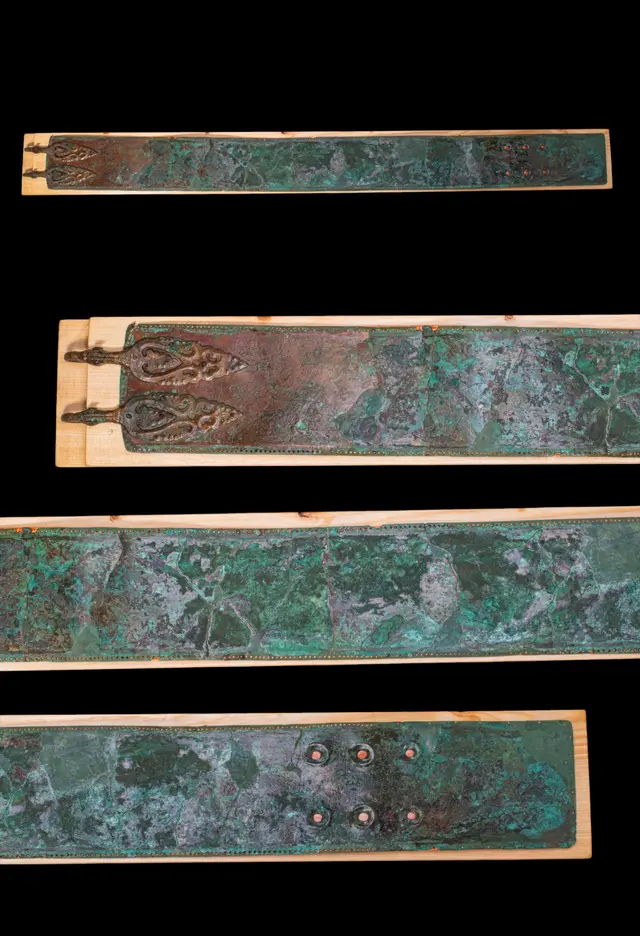
NOV 7 | 5:00 PM


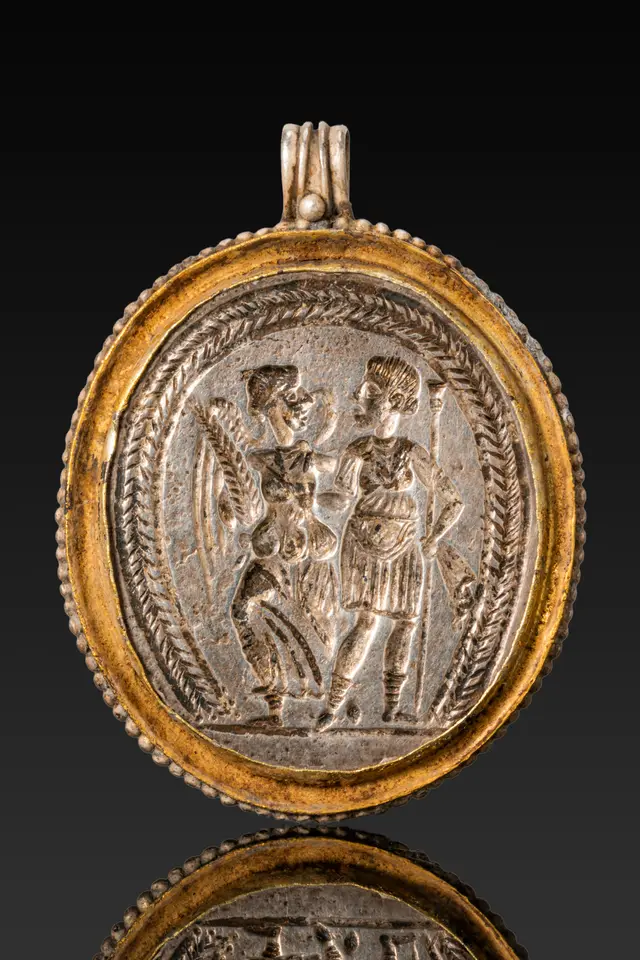
NOV 8 | 1:00 PM

Bringen Sie Ihre Auktion zu Sammlern weltweit!
Jetzt eintragen lassenMit der Anmeldung stimmen Sie der Datenschutzrichtlinie zu. Jederzeit abmelden.
Barnebys HQ
Brahegatan 10
BOX 5038
114 37 Stockholm
