


OCT 27 | 4:00 PM

Alle Auktionen / Antike Kunst / Ancient Roman buff terracotta jug - 154 mm

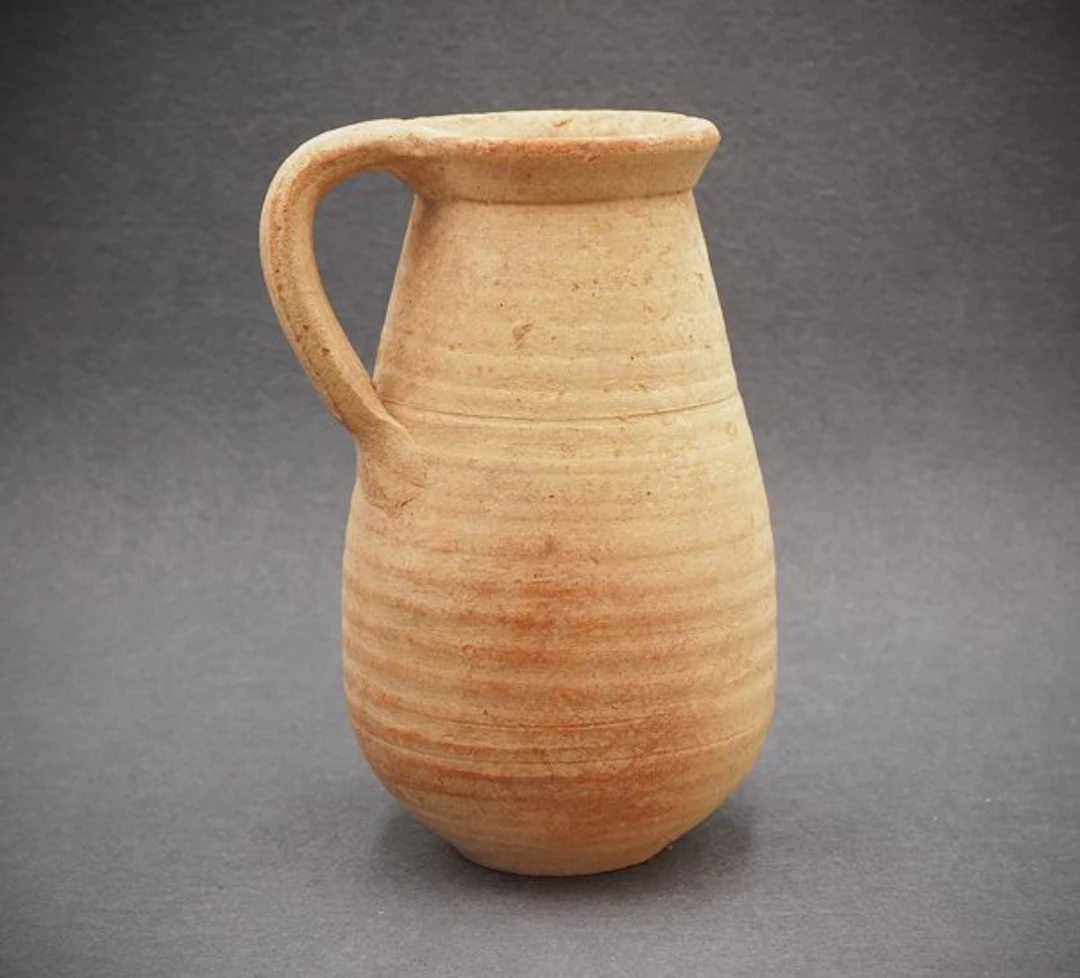
"Ancient Roman Buff Terracotta Jug Culture / Period: Ancient Roman Date / Period: 1st–2nd Century A.D. Material: Buff terracotta Dimensions: 154 mm Condition: Good condition No shipping outside the European Union. Due to complex export regulations concerning cultural goods, this item cannot be shipped outside the EU. Please ensure you have a delivery address within the European Union before placing a bid. Provenance information: Object Registration ID: 157 The current owner purchased this Ancient Roman Buff Terracotta Jug from a private collector, V.P., in Grave, the Netherlands. The previous owner, a private collector from Grave, stated that the jug had been part of his collection since 1989. According to the previous owner, the object had previously been in a private collection in the Netherlands before 1980. No further information concerning the earlier ownership history of the object was available. Background Information: This buff terracotta jug dates to the 1st–2nd century A.D. and represents a classic form of Roman domestic pottery. Featuring a rounded body, a single strap handle, a broad pouring rim, and characteristic horizontal ribbing, the vessel was designed for the storage, transport, and serving of liquids. Such jugs were indispensable household items and formed part of the standard ceramic equipment found throughout the Roman Empire. Roman pottery production reached a remarkable level of sophistication during the Imperial period. Workshops produced vast quantities of utilitarian wares using standardised forms that could be recognised across different provinces. Potters combined practical design with efficient manufacturing techniques, creating durable vessels suited to the needs of daily life. Buff-coloured wares such as this example were particularly common and were widely used in both civilian and military contexts. Jugs of this type were employed for serving water, wine, olive oil, and other liquids. They would have been present in homes, taverns, workshops, agricultural settlements, and military installations. The carefully formed handle and flared rim facilitated controlled pouring, while the robust ceramic fabric ensured durability during regular use. The horizontal ribbing decorating the body reflects a widespread Roman ceramic tradition. Such decorative treatment enhanced the appearance of the vessel while also improving grip during handling. The combination of functional design and restrained decoration illustrates the practical yet refined character of Roman household pottery. During the 1st and 2nd centuries A.D., the Roman Empire enjoyed extensive economic integration and thriving trade networks. Ceramic vessels formed one of the most important categories of manufactured goods transported throughout the provinces. Similar jugs have been discovered from Italy and Gaul to Britain, Germania, and the Lower Rhine region. Such vessels were traded across large distances, reaching regions such as present-day Germany and the Netherlands. The production of Roman pottery required considerable expertise. Clay was carefully selected, prepared, and shaped on the potter's wheel before firing in specialised kilns. Standardised forms enabled efficient large-scale production while maintaining a high degree of consistency in quality and appearance. These manufacturing traditions contributed significantly to the widespread availability of ceramic vessels throughout the Empire. Dating to the 1st–2nd century A.D., this jug belongs to the height of the Roman Imperial period, when pottery played a central role in storage, food preparation, and dining practices. It provides a direct and physical link to the people of antiquity, who relied upon such vessels in their everyday lives. This piece forms a tangible connection to the ancient world, in which objects of this kind played a practical role in domestic life and daily use."
Schätzpreis:€300
Zur AuktionAlle Objekte ansehen vonCatawikioderAntike Kunst
Schätzpreis:
€300

OCT 27 | 4:00 PM




Bringen Sie Ihre Auktion zu Sammlern weltweit!
Jetzt eintragen lassenMit der Anmeldung stimmen Sie der Datenschutzrichtlinie zu. Jederzeit abmelden.
Barnebys HQ
Brahegatan 10
BOX 5038
114 37 Stockholm
