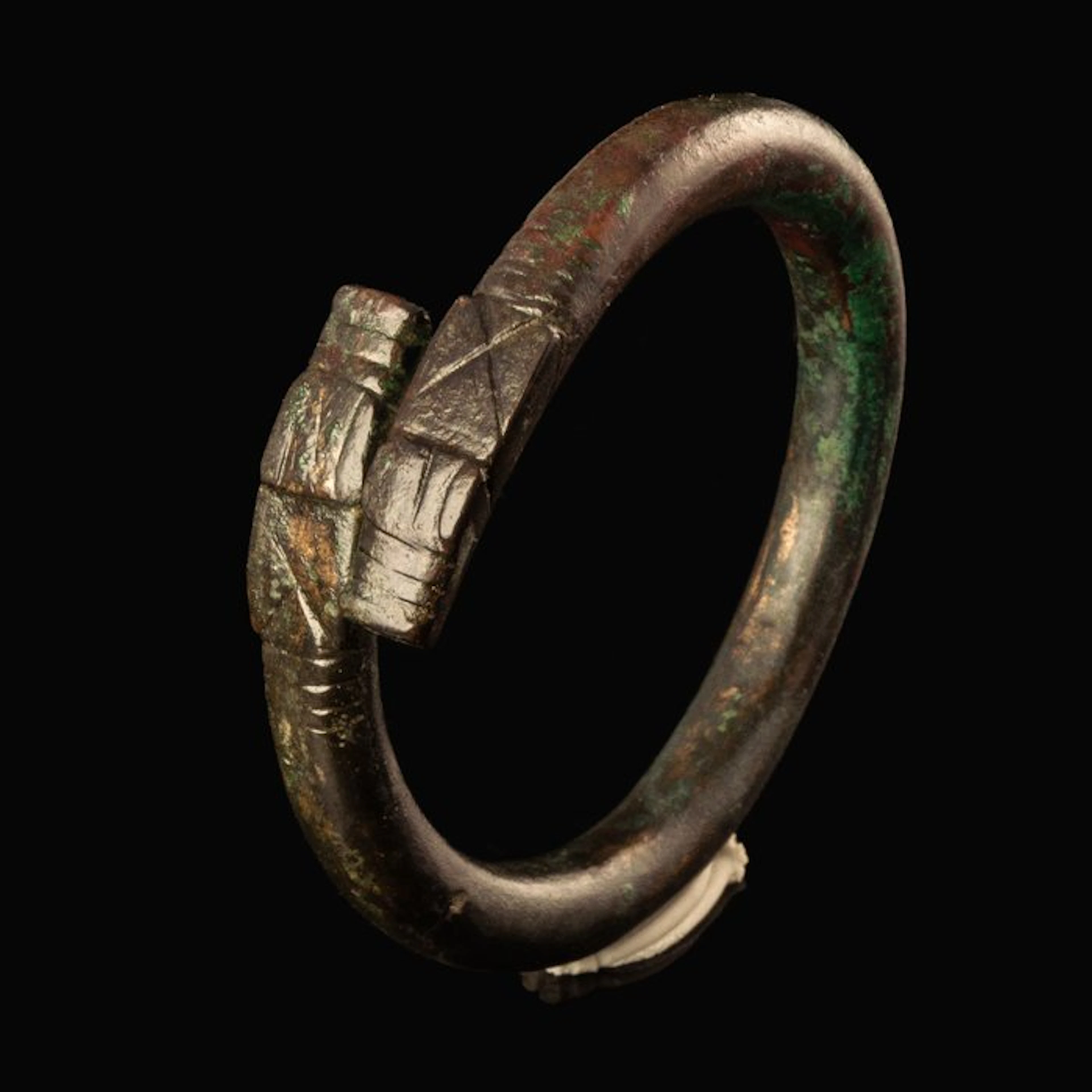



Alle Auktionen / Antike Kunst / Ancient Roman, Empire Ring with Wire-Wrapped Roman Purple and Amber Glass Beads

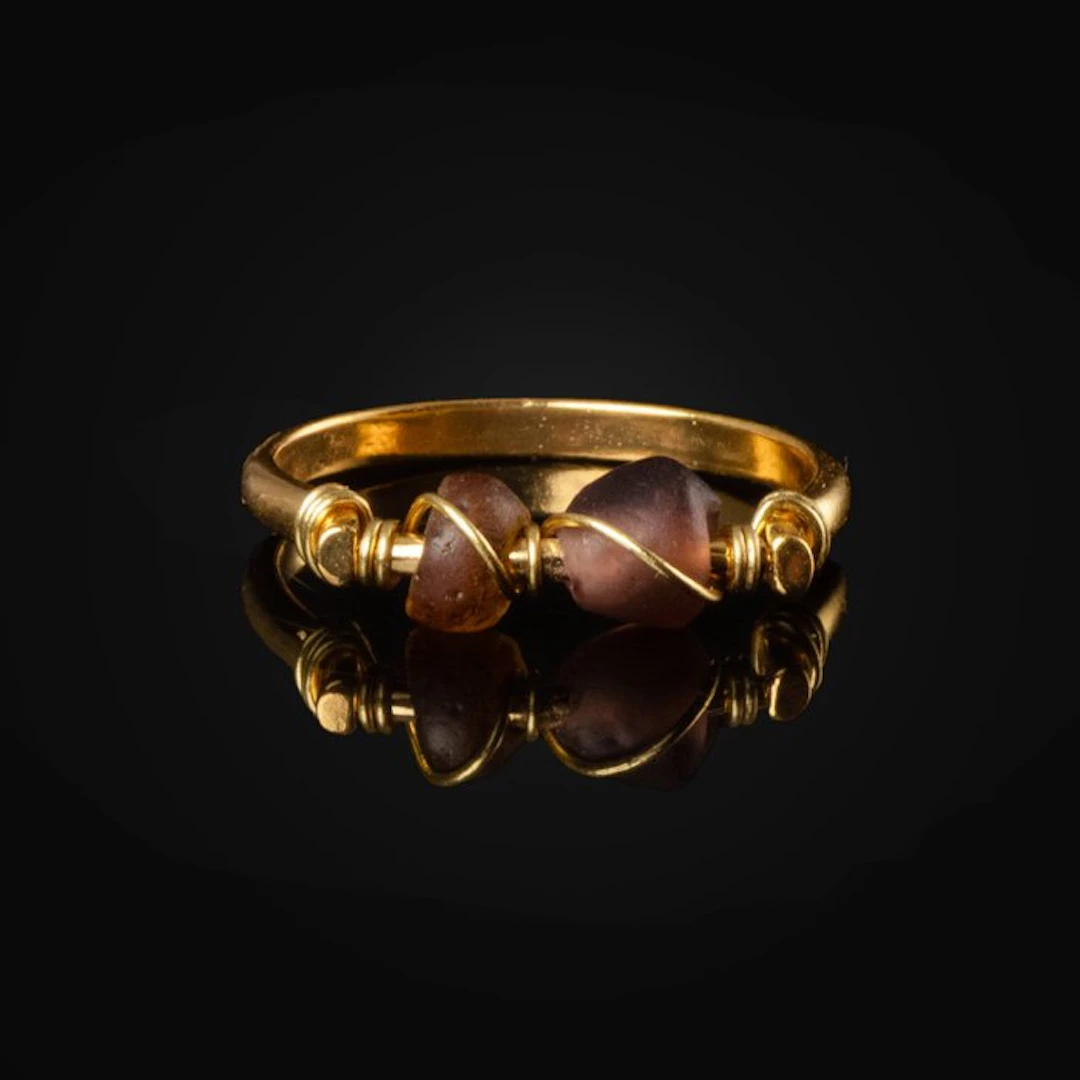
Attention: due to customs regulations we can only ship inside the European Union. Please ensure you have a valid EU shipping address before placing a bid. Ring with a Roman purple and an amber-coloured glass bead. The ancient beads are wire-wrapped on a modern gold-plated ring. This ring will be delivered in a jewellery box; a perfect gift for any occasion. -> In Roman society, purple symbolized status, wealth, and authority due to its rarity and expensive production. Sumptuary laws restricted its use to the elite. -> Amber was a very expensive commodity in the Roman period. By adding iron-sulphur during the glass-making process the Romans succeeded in imitating this highly appreciated colour in glass. -> The wire-wrapping technique, dating back to around 2000 BC, was a favoured method among ancient jewellery makers of many ancient civilizations. Renowned for its versatility and durability, this technique was cherished throughout history for creating intricate and timeless designs. Outside diameter: ± 22,6 mm Inside diameter: ± 17 - 19,9 mm Diameter beads: ± 6,1 mm maximum Certificate: Certificate of Authenticity (PDF) is available upon request for all lots with a hammer price of €100 or higher. Condition: Good condition and wearable. The ancient beads are restrung and combined with modern gold-plated spacer beads and fittings. Minor surface irregularities and signs of wear consistent with age and use. Provenance: Composed of beads originating from various old collections, acquired in the UK between 2016–2024. Character: Each ancient bead displays subtle variations and signs of age, reflecting its long history and adding to the unique charm of every composition. Please note: Photographed in a professional studio against a deep black background to enhance contrast and detail. Studio lighting and individual screen settings may slightly affect the appearance of colours. Historical background: Glass has existed in natural forms since prehistoric times; however, humans first began producing glass around 4,000 years ago in Mesopotamia, when craftsmen discovered how to combine sand, soda and lime. For centuries, glass remained a luxury material reserved for the upper classes. Across the Mediterranean world, glassmakers developed techniques such as casting, core-forming and mosaic glass, while experimenting with colours using metallic oxides including cobalt and copper. The Romans adopted glassmaking following the conquest of Egypt in the 1st century BC. During the 1st century AD, the invention of glassblowing revolutionised production, allowing for larger-scale manufacturing. By adding manganese dioxide, Roman glassmakers were able to produce colourless or ‘aqua’ glass. Roman glass became highly popular and was widely used for beads, vessels, mosaic tiles and window panes. It was traded throughout the Roman Empire and beyond, reaching regions such as Central Africa, Scandinavia and, via the Silk Road, as far as China.
Schätzpreis:€250
Zur AuktionAlle Objekte ansehen vonCatawikioderAntike Kunst
Schätzpreis:
€250
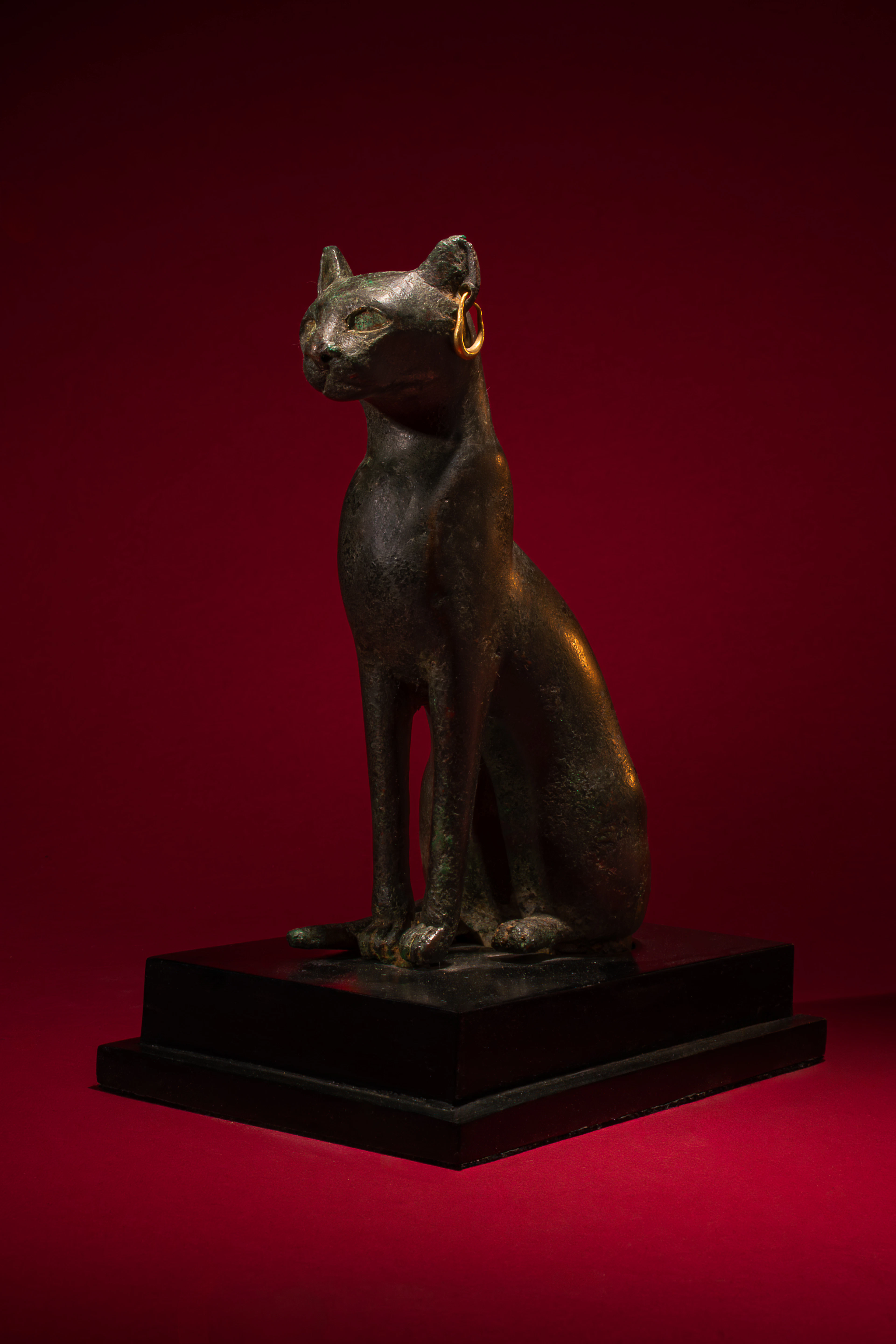
RARE EGYPTIAN BRONZE CAT STATUETTE WITH GOLD EARRINGS - LARGE SIZE
06/21/2026

€25,506.4
Schätzw.: €23,095.64
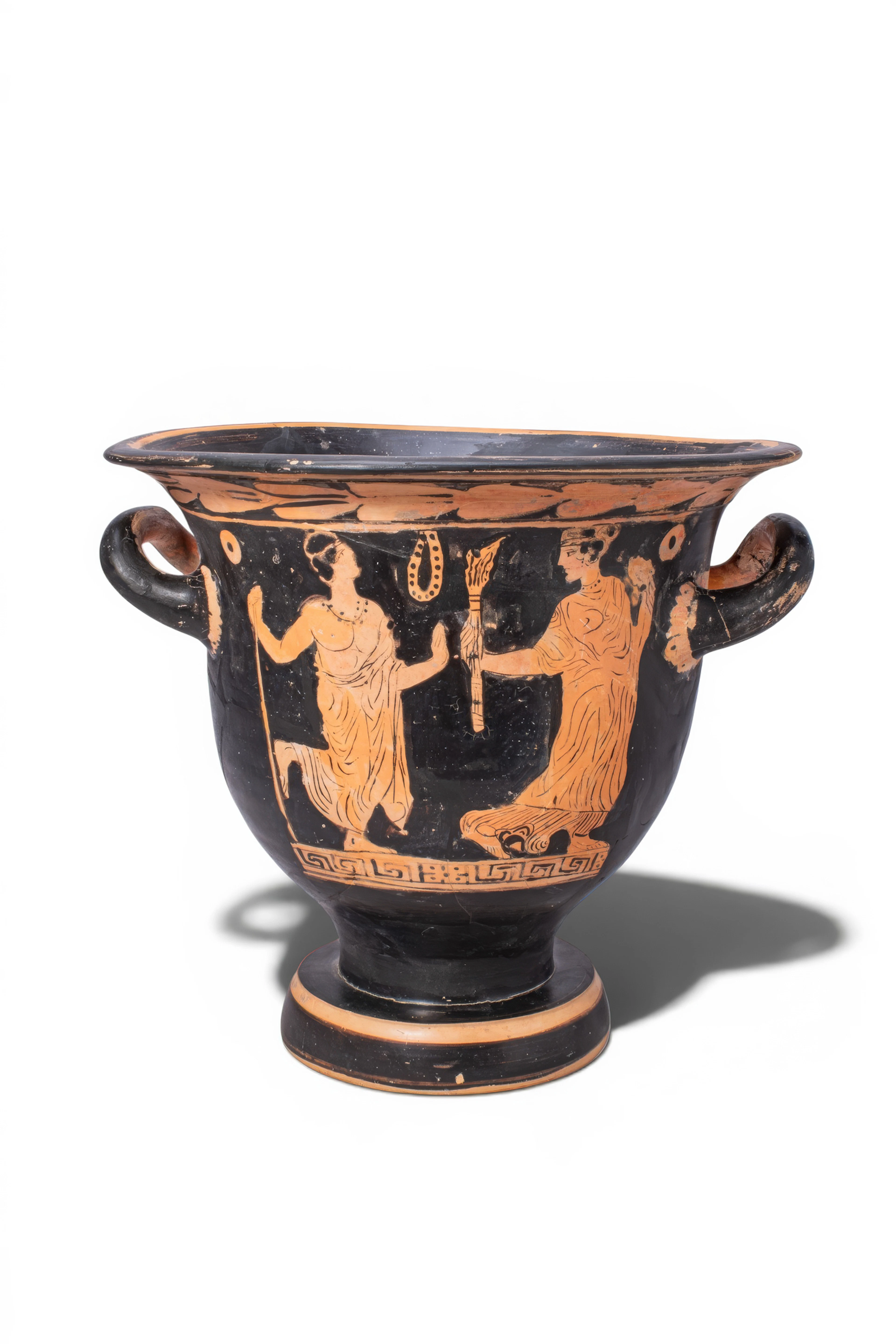
APULIAN RED-FIGURE BELL KRATER WITH KOMASTOS AND MAENAD - TL TESTED
06/21/2026
€3,014.39
Schätzw.: €2,304.2




Bringen Sie Ihre Auktion zu Sammlern weltweit!
Jetzt eintragen lassenMit der Anmeldung stimmen Sie der Datenschutzrichtlinie zu. Jederzeit abmelden.
Barnebys HQ
Brahegatan 10
BOX 5038
114 37 Stockholm
