



NOV 7 | 5:00 PM

Alle Auktionen / Antike Kunst / Ancient Roman Silver Fibula, in the shape of a dolphin (No reserve price)


ITEM: Fibula in the shape of a dolphin MATERIAL: Silver CULTURE: Roman PERIOD: 2nd - 3rd Century A.D DIMENSIONS: 15 mm x 30 mm CONDITION: Good condition PROVENANCE: Ex German private collection, acquired before 1990s Comes with Certificate of Authenticity and Export license Roman fibulas, also known as brooches, were essential items in Roman dress and served both functional and decorative purposes. These fasteners were used to secure garments, such as cloaks and tunics, and evolved into various styles over the centuries, reflecting changes in fashion and technology. Typically made from materials like bronze, silver, and gold, fibulas ranged from simple, utilitarian pieces to highly ornate objects that showcased the wearer's wealth and status. The basic design of a fibula included a pin, a bow, and a catch plate, but the variations in shape and decoration were numerous, indicating different regional styles and periods. The evolution of Roman fibulas can be traced through several distinct types, each with unique features and geographical distributions. Early Roman fibulas, like the "Aucissa" type, were characterized by their arched bow and decorative elements, often bearing inscriptions of the maker's name or workshop. During the Imperial period, the "Crossbow" fibula became prominent, especially among military and administrative officials, noted for its robust construction and crossbar-shaped head. Other popular types included the "P-shaped" and "Omega" fibulas, which varied in complexity and ornamentation. These differences in design not only highlight the technological advancements in metalworking but also the cultural influences across the Roman Empire. Roman fibulas are valuable archaeological artifacts that provide insights into Roman fashion, social hierarchy, and cultural interactions. They are frequently found in graves, offering clues about burial practices and the personal adornment of the deceased. The study of fibulas helps historians and archaeologists understand the diffusion of styles and techniques across different regions, illustrating the interconnectedness of the Roman world.
Schätzpreis:€250
Zur AuktionAlle Objekte ansehen vonCatawikioderAntike Kunst
Schätzpreis:
€250
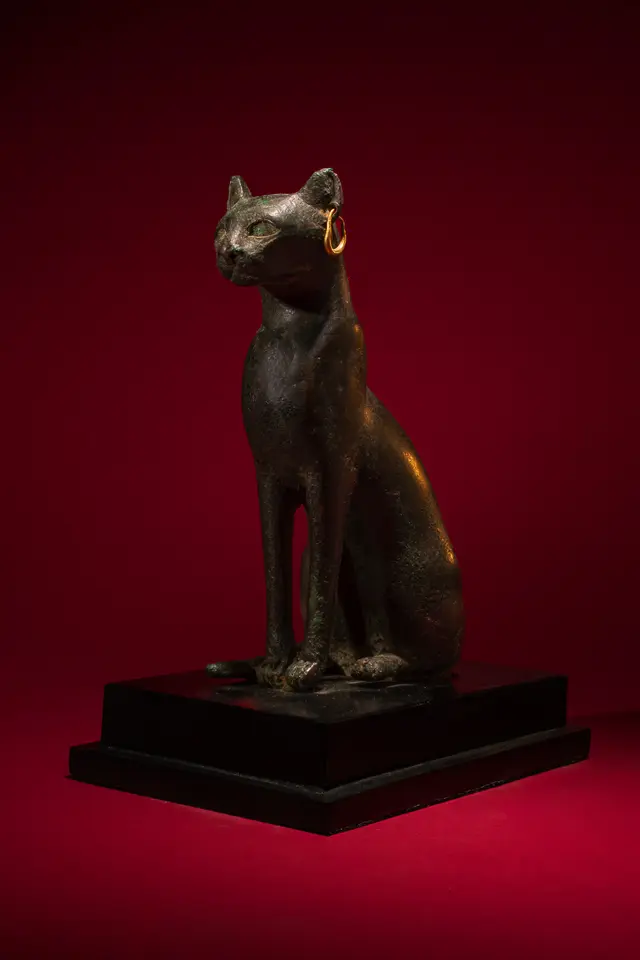
RARE EGYPTIAN BRONZE CAT STATUETTE WITH GOLD EARRINGS - LARGE SIZE
06/21/2026

€25,506.4
Schätzw.: €23,095.64
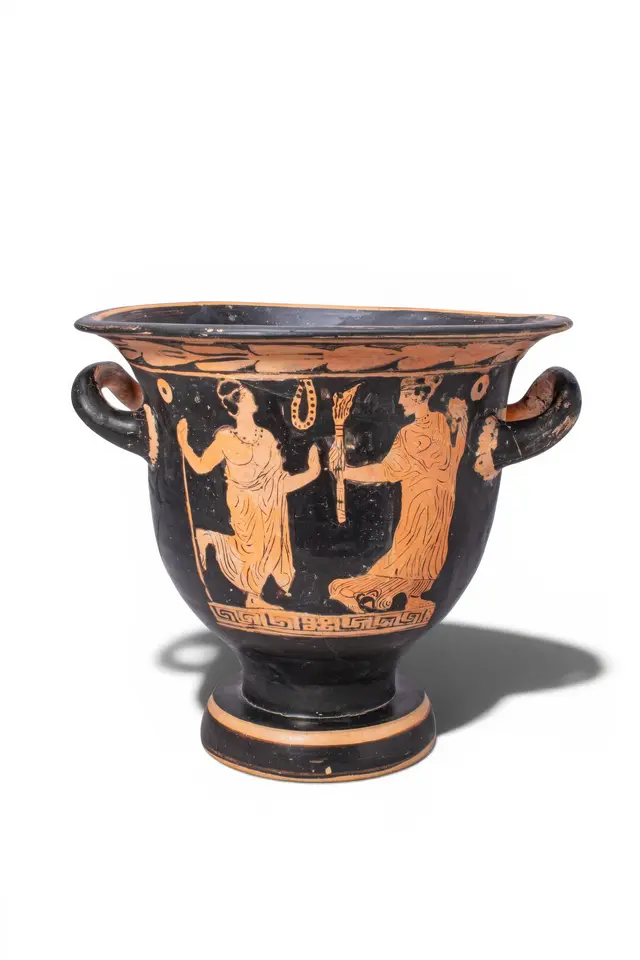
APULIAN RED-FIGURE BELL KRATER WITH KOMASTOS AND MAENAD - TL TESTED
06/21/2026
€3,014.39
Schätzw.: €2,304.2
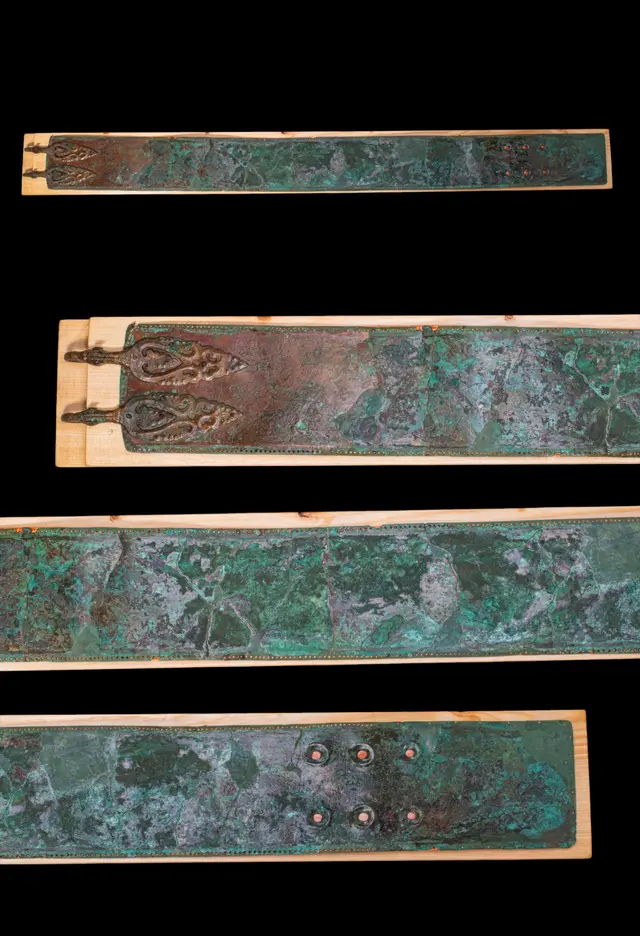
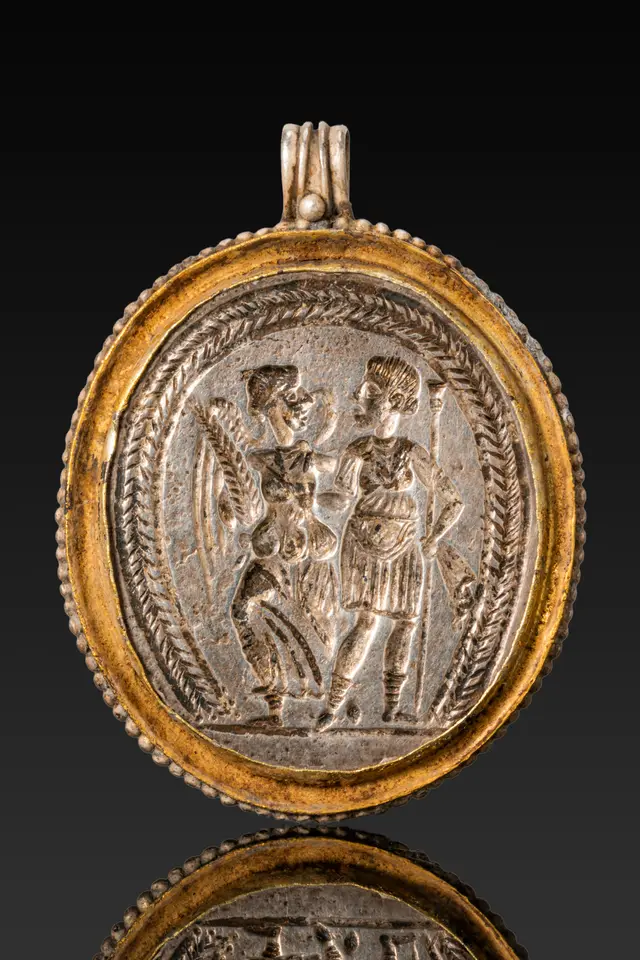
NOV 7 | 5:00 PM


NOV 8 | 1:00 PM

Bringen Sie Ihre Auktion zu Sammlern weltweit!
Jetzt eintragen lassenMit der Anmeldung stimmen Sie der Datenschutzrichtlinie zu. Jederzeit abmelden.
Barnebys HQ
Brahegatan 10
BOX 5038
114 37 Stockholm
