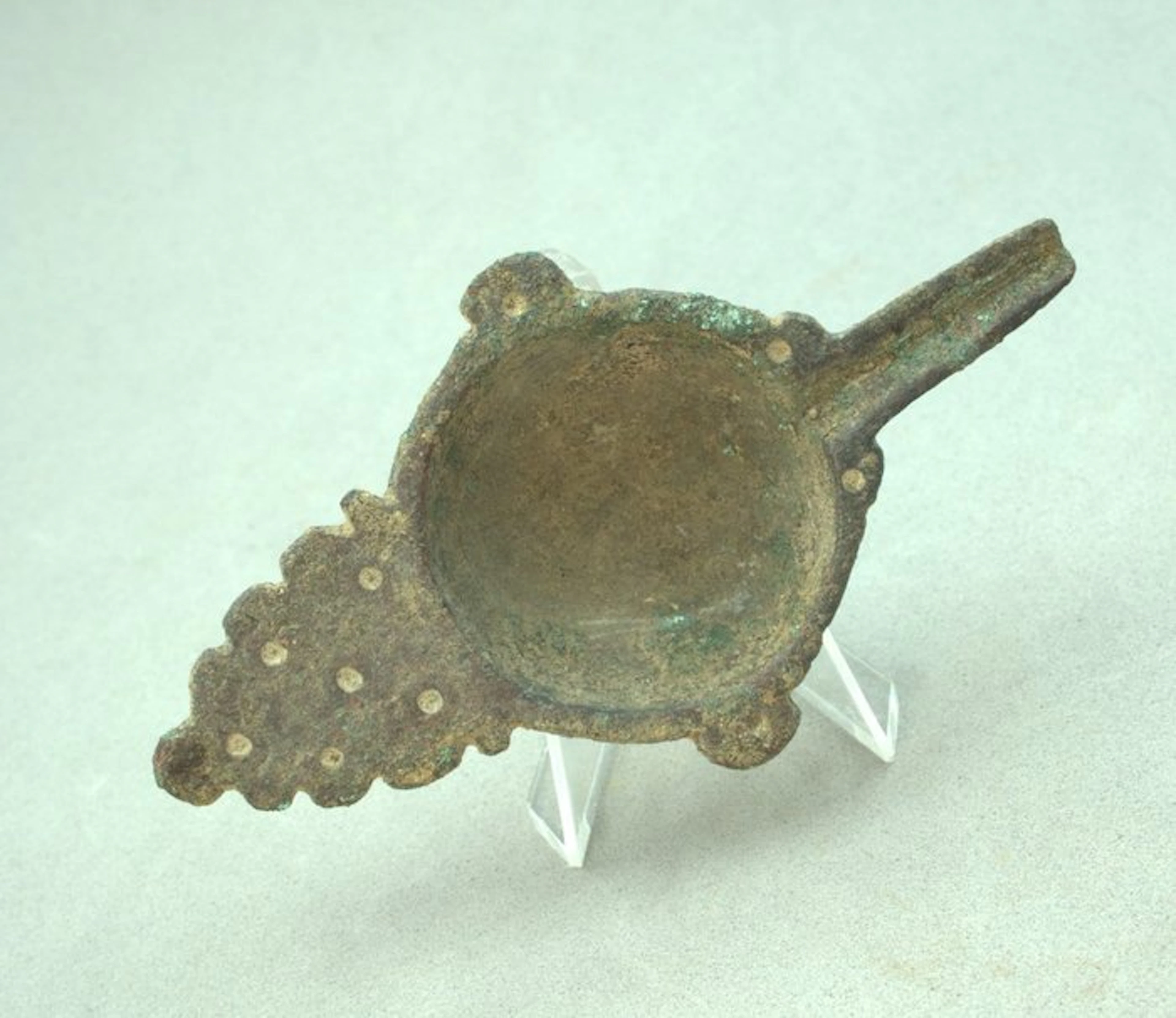


OCT 8 | 3:00 PM

Bringen Sie Ihre Auktion zu Sammlern weltweit!
Jetzt eintragen lassenMit der Anmeldung stimmen Sie der Datenschutzrichtlinie zu. Jederzeit abmelden.
Barnebys HQ
Brahegatan 10
BOX 5038
114 37 Stockholm
Alle Auktionen / Antike Kunst / Ancient Roman Terracotta Nabataean Oil Lamp with Radial Relief Decoration

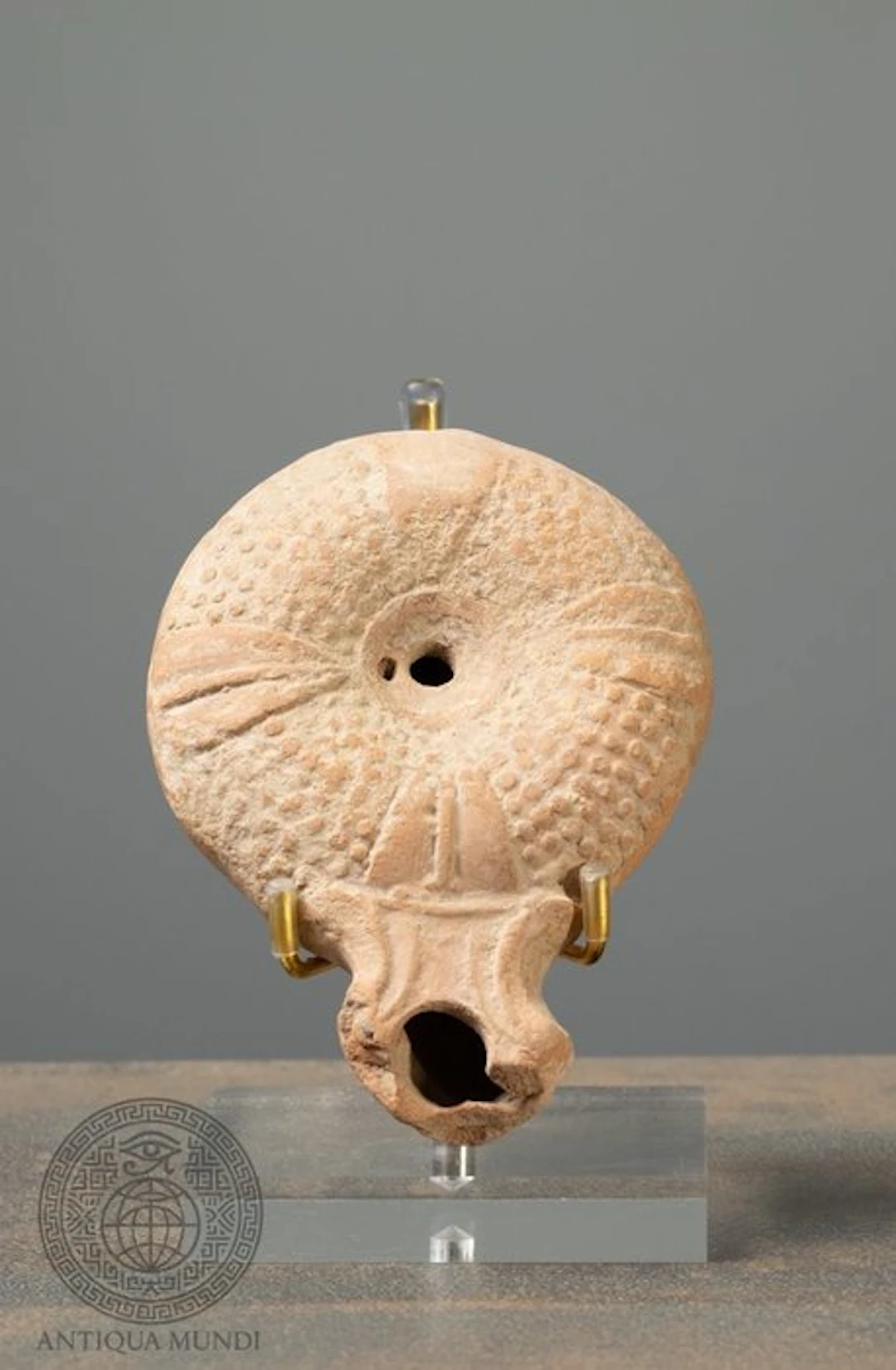
A distinctive Nabataean terracotta oil lamp with elaborate radial relief decoration, dating to the early Roman Imperial period, circa 1st to early 2nd century AD. The lamp is made from light orange to beige terracotta and has a compact, approximately circular body with a slightly lenticular profile and a short projecting nozzle. The upper surface is dominated by an elaborate radially arranged relief design. At the centre is the circular filling hole for the oil, accompanied by a smaller secondary opening. Surrounding this central area, the shoulder is decorated with numerous small raised elements together with larger elongated and leaf-shaped motifs radiating outwards. The resulting composition has an attractive rosette- or flower-like appearance, giving the relatively small lamp a particularly rich decorative character. The short nozzle is clearly differentiated from the body by raised moulded lines. At its end is the larger opening which originally accommodated the wick. The nozzle itself is strongly modelled, with slightly flaring lateral contours. Underside The underside is also carefully decorated. At the centre is a distinctive base design composed of several concentric raised rings. The inner circular element is surrounded by additional moulded concentric bands. A raised line or ridge extends from the circular base decoration towards the nozzle. The treatment of the underside demonstrates that the decorative programme was not restricted to the visible upper surface of the lamp. Typology and Dating The form and decorative treatment can be associated with the Nabataean lamp tradition of the early Roman Imperial period. Comparable Nabataean lamps are characterised by compact mould-made bodies, short projecting nozzles and richly decorated shoulders with geometric, vegetal or radiating relief patterns. Published comparable examples are generally placed within the 1st to early 2nd century AD. Typological parallels have been associated with forms including QEDEM (1978), Type 394, and Adler, Type 411. The decorative scheme of the present lamp is not identical to these comparative examples, and the references should therefore be understood as typological and chronological parallels rather than exact matches. The attribution to the Nabataean cultural sphere of the Southern Levant is based on the overall form, construction and decorative vocabulary of the lamp. Manufacture and Function The lamp was produced in a mould and subsequently fired, a technique which allowed the relatively elaborate relief decoration to be reproduced across the surface. The body served as a reservoir for oil, which was introduced through the central filling hole. A wick was inserted through the opening at the end of the projecting nozzle, drawing oil from the reservoir to provide a small but practical source of artificial light. Terracotta oil lamps of this type were widely used in domestic and other contexts throughout the ancient Near East and Mediterranean world. Condition Good condition considering its age. The surface displays age-related wear, minor chips and irregularities, together with earthy and mineral deposits. Small losses and chips are particularly visible around the nozzle and wick opening. Despite surface wear, the characteristic radial relief decoration on the upper surface remains clearly recognisable. The central filling hole and smaller secondary opening are preserved. The underside also retains its distinctive concentric relief decoration and raised linear element extending towards the nozzle. No major modern additions are apparent from the photographs. Please examine all photographs carefully, as they form an integral part of the condition description. Provenance Formerly in the Madeleine & Erich Dammann Collection, Germany. Acquired during the collectors’ extensive travels between 1950 and 1970. The collection is documented in Germany by 1970 through historical photographs of the family residence and subsequently remained in continuous family ownership. The objects were acquired privately during the collectors’ travels. As was customary for private purchases made at local markets during the 1950s and 1960s, purchase receipts or invoices were generally neither issued nor requested. Historical photographs and biographical documentation relating to the Dammann Collection are available and support the long-standing provenance of the collection.
Schätzpreis:€275
Zur AuktionAlle Objekte ansehen vonCatawikioderAntike Kunst
Schätzpreis:
€275
OCT 8 | 3:00 PM


OCT 8 | 3:00 PM

Bringen Sie Ihre Auktion zu Sammlern weltweit!
Jetzt eintragen lassen€275
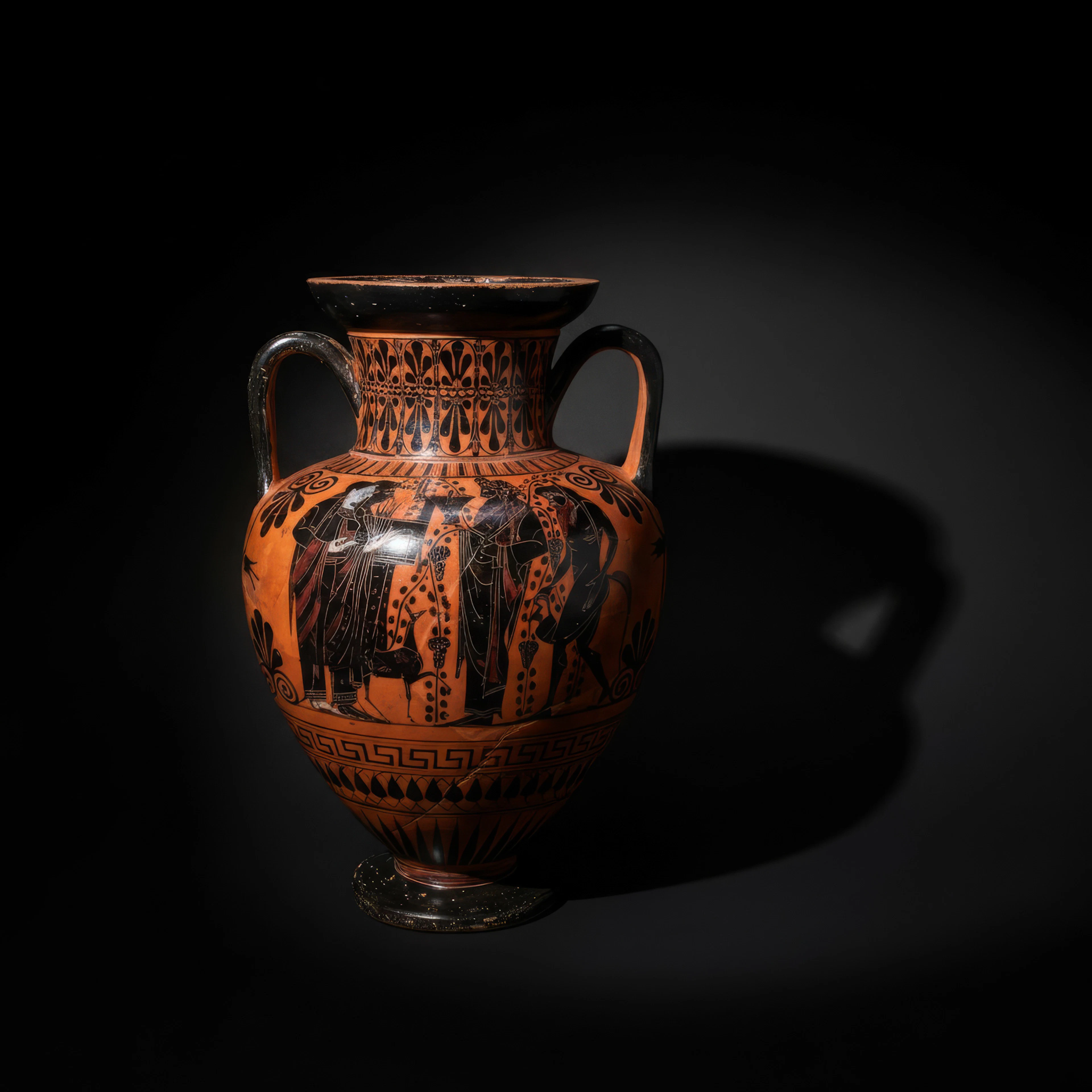
RARE ATTIC BLACK-FIGURE NECK AMPHORA ATTRIBUTED TO THE LYSIPPIDES
06/21/2026

€46,375.28
Schätzw.: €16,156.37
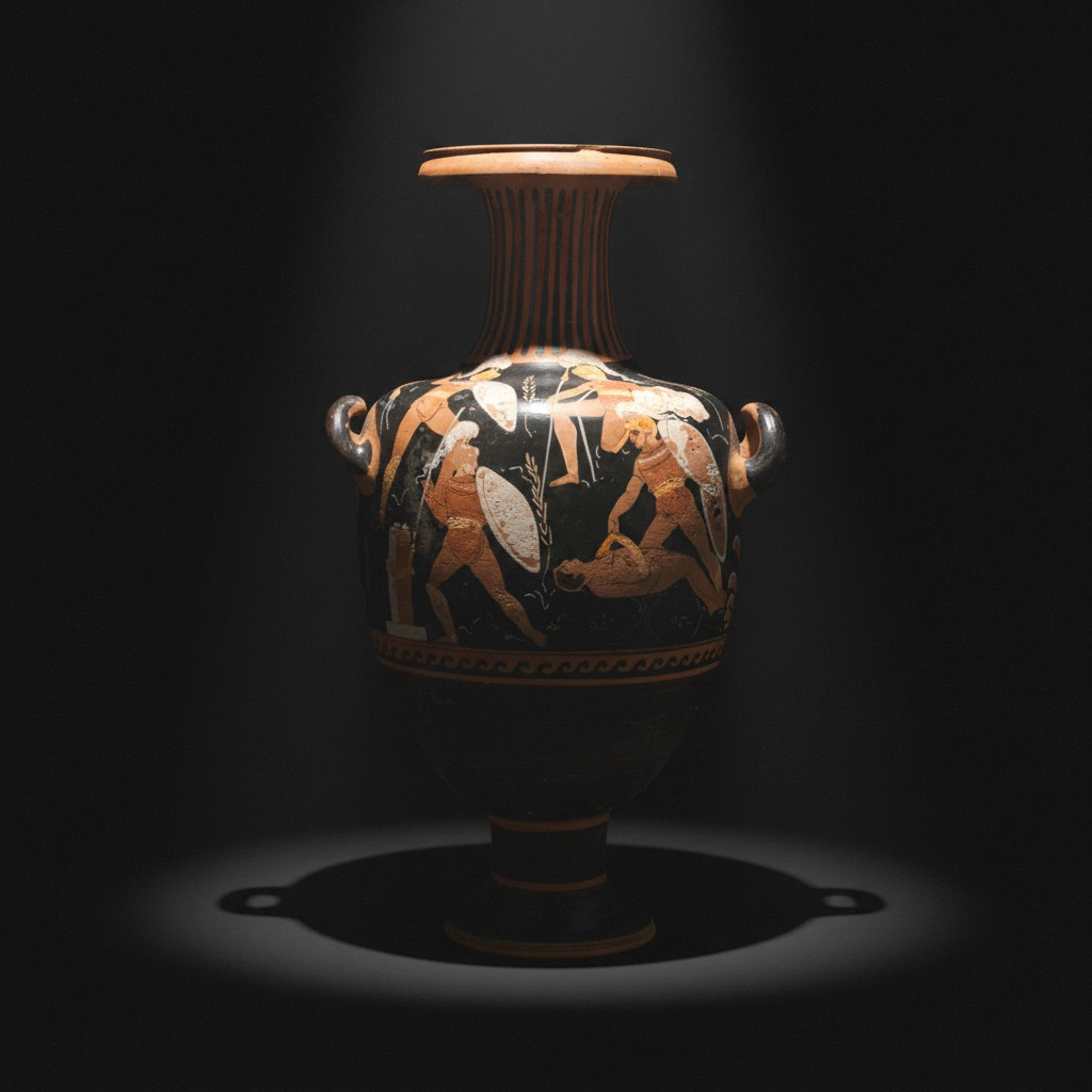
TL TESTED - LARGE GREEK APULIAN RED-FIGURE HYDRIA WITH HOPLITES COMBAT SCENE
06/21/2026
€10,434.43
Schätzw.: €6,924.16