

OCT 8 | 3:00 PM

Bringen Sie Ihre Auktion zu Sammlern weltweit!
Jetzt eintragen lassenMit der Anmeldung stimmen Sie der Datenschutzrichtlinie zu. Jederzeit abmelden.
Barnebys HQ
Brahegatan 10
BOX 5038
114 37 Stockholm
Alle Auktionen / Schmuck und Edelsteine / Antique Necklace Made of Three Rows of "Corallo Sciacca", Italy, c. 1900

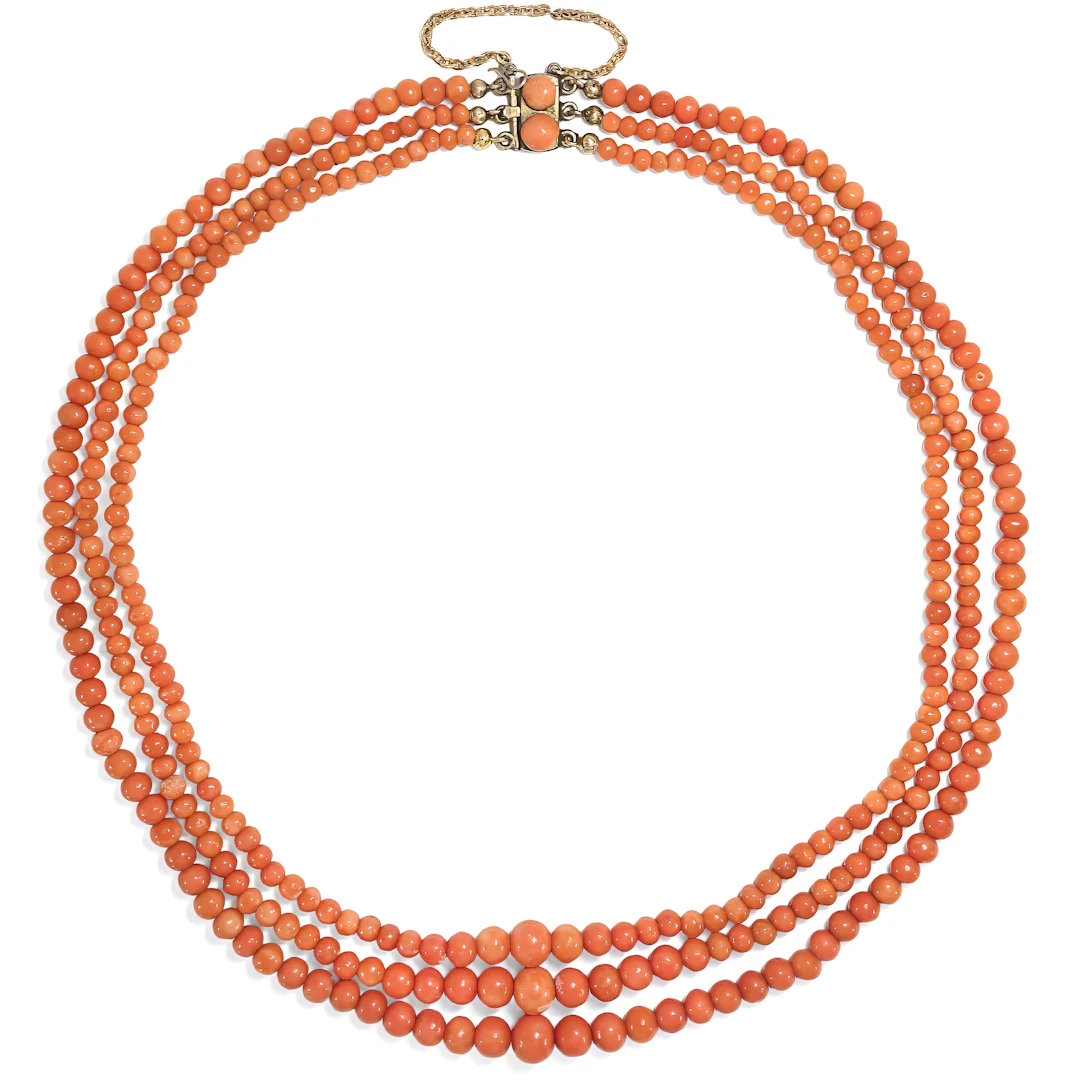
Corals from the Mediterranean come in various shades of color. Depending on the region, sea depth, and growing conditions, these marine organisms develop specific color nuances, such as the deep-red Sardinian corals harvested in the waters around Sardinia. In the 19th century, Sicily yielded a very special coral color, and the history of these marine treasures is truly fascinating. Off the southern coast of Sicily, not far from the town of Sciacca, an undersea volcano erupted in July 1831. Fishermen observed the explosions and, to their amazement, discovered that the volcano had formed a new island. As soon as the eruptions ended, a fierce dispute broke out over which country the new island should belong to. The Kingdom of the Two Sicilies considered it a natural part of its territory and named it Ferdinandea after its king, Ferdinand II. But Great Britain also laid claim to the strategically located new land and named it Graham Island. The French fleet also laid claim to the island, which it called Île Julia. Nature ultimately settled the dispute: by 1832, the waves had eroded the island to such an extent that it sank back into the sea, surviving only as a shoal. But what does this story have to do with corals? Repeated undersea volcanic eruptions, earthquakes, and the resulting changes to the seabed had, over millennia, contributed to the death, breakage, and deposition of large quantities of coral, which eventually formed one of the richest coral deposits in the entire Mediterranean. Due to their long burial on the seafloor, these subfossil corals had taken on characteristic salmon-colored to orange hues, making them unmistakable. This treasure of the sea was discovered in May 1875 by a lucky coincidence. Three fishermen from Sciacca, among them Alberto Maniscalco, known as Bettu Ammareddu, suddenly pulled up coral branches from the seafloor while hauling in their longlines. It soon became clear that they had stumbled upon a massive deposit. Later, this chance discovery was turned into a romantic tale: Ammareddu is said to have dived in search of a necklace that his beloved Tina had given him and that had fallen into the sea. While searching for the piece of jewellery, he is said to have discovered the coral on the seabed. A beautiful testament to this extraordinary story is the necklace before us, whose corals are arranged in three rows. These are pearls c. 1900 with the characteristic salmon hue, the Corallo di Sciacca. The strands are arranged in a graduated pattern, meaning the beads get larger toward the center. We had the necklace restrung, while the original gold-plated tombac clasp has been preserved. A magnificent piece of jewellery with a story all its own!
Schätzpreis:€1,190
Zur AuktionAlle Objekte ansehen vonHofer AntikschmuckoderSchmuck und Edelsteine
Schätzpreis:
€1,190
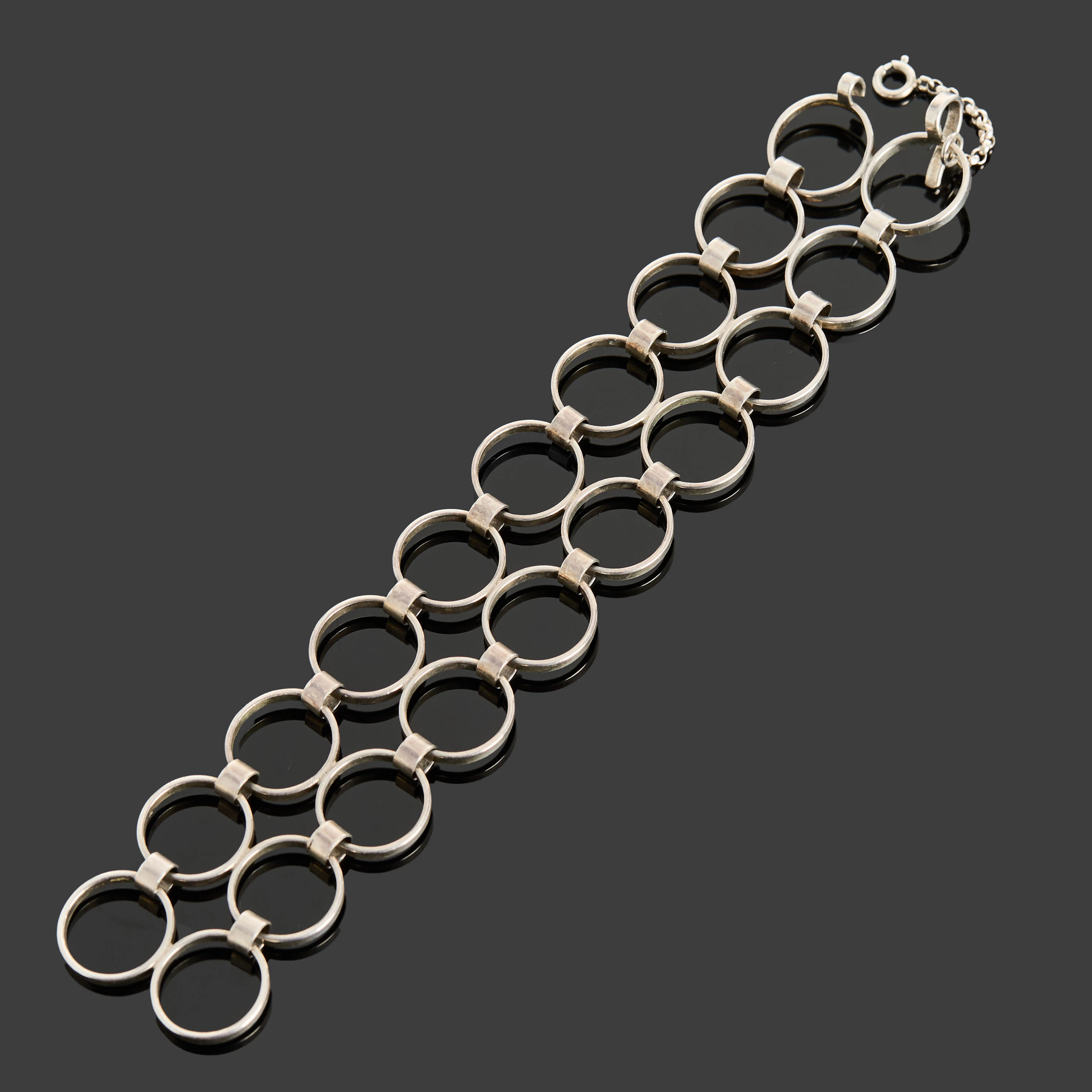
KAIJA AARIKKA (FINLAND, 1929-2014). Armband, silver, Finland, 1900-talets
10/06/2026
€99.55
Schätzw.: €88.8
OCT 8 | 3:00 PM


OCT 8 | 3:00 PM

Bringen Sie Ihre Auktion zu Sammlern weltweit!
Jetzt eintragen lassen
€2,000
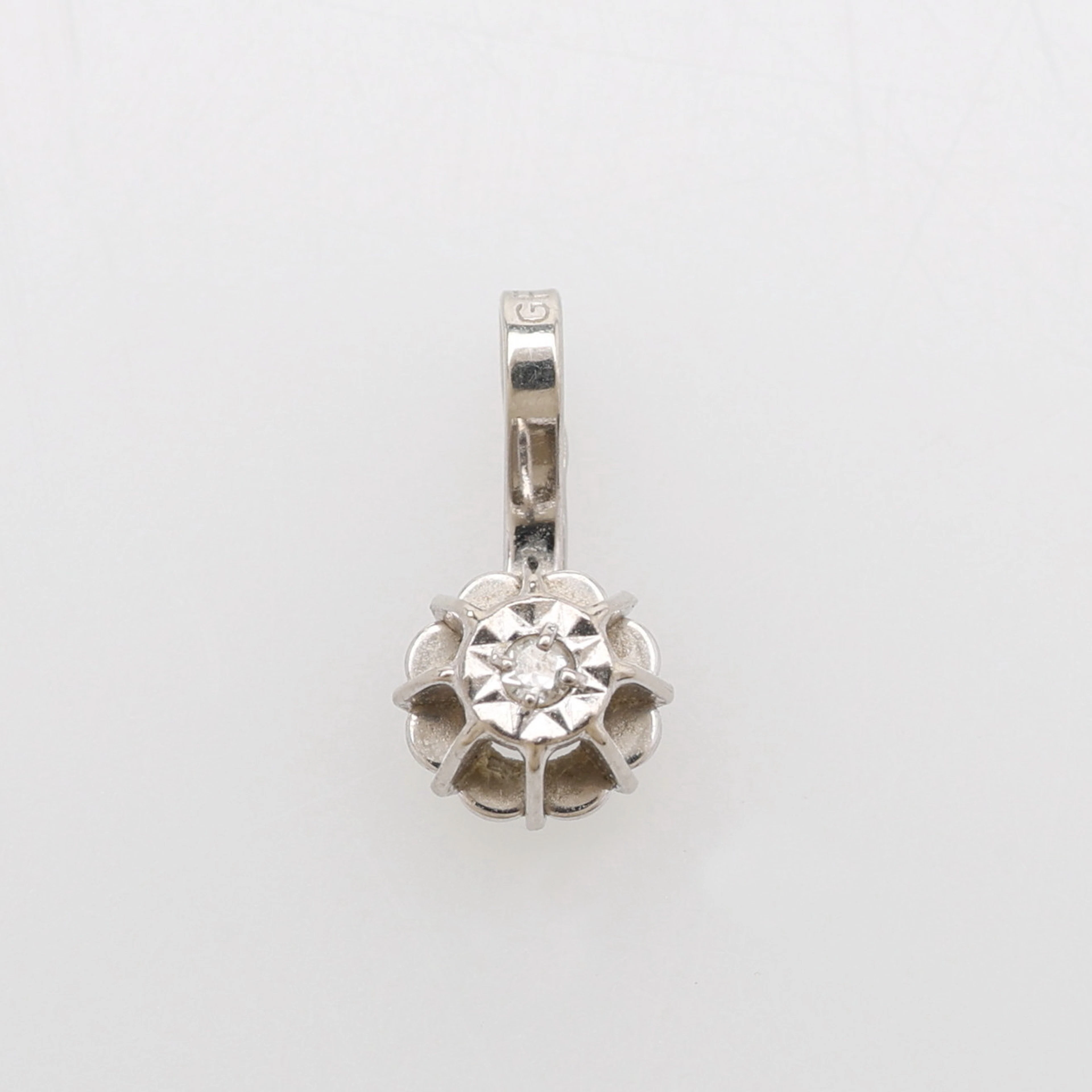
HÄNGE, 18K VITGULD & LITEN VIT STEN, TOTALT CIRKA 0,4 GRAM.
10/06/2026
€26.78
Schätzw.: €53.28
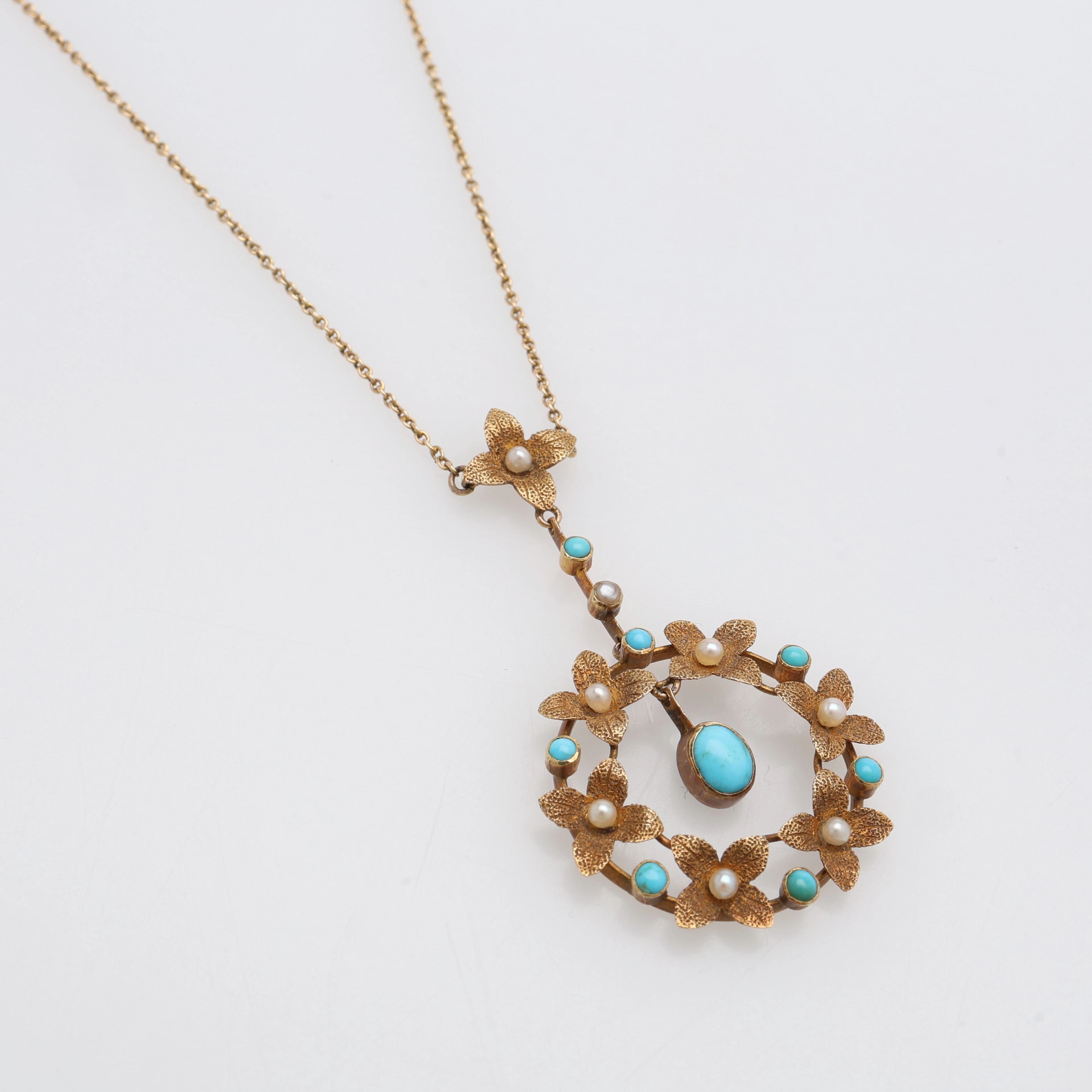
HALSKEDJA MED HÄNGE, 15K GULD, HALVPÄRLOR & TURKOSER, 1900-TALETS
10/06/2026
€312.5
Schätzw.: €355.22
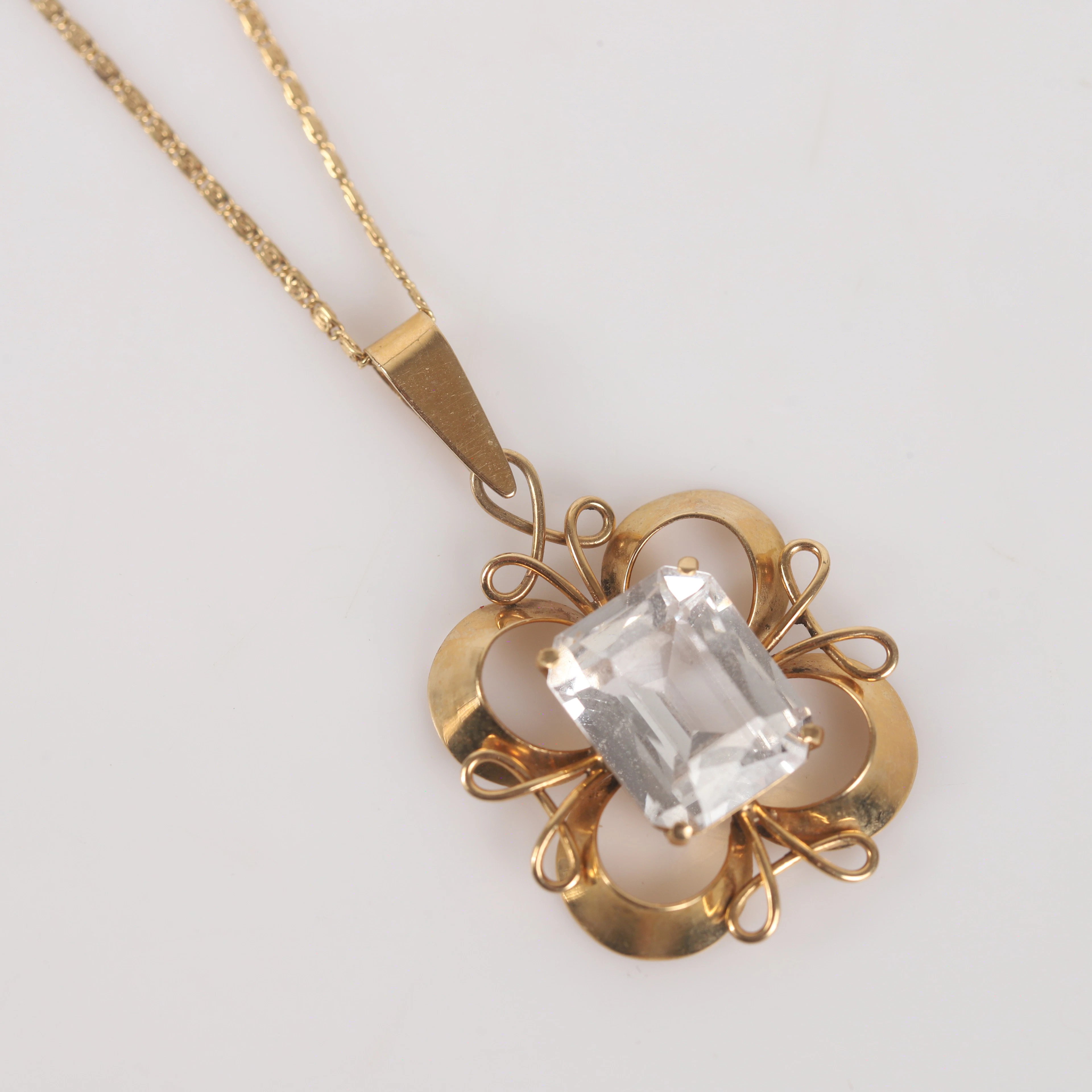
HÄNGE MED KEDJA, 18 K guld med korsslipad sten, Guldvaruhuset, Stockholm, 1955.
10/06/2026

€358.04
Schätzw.: €355.22