


Bringen Sie Ihre Auktion zu Sammlern weltweit!
Jetzt eintragen lassenMit der Anmeldung stimmen Sie der Datenschutzrichtlinie zu. Jederzeit abmelden.
Barnebys HQ
Brahegatan 10
BOX 5038
114 37 Stockholm
Alle Auktionen / Kunst und Drucke / CHARLES ROBERT LESLIE (BRITISH 1794-1859), THE MOTHER'S HOPE
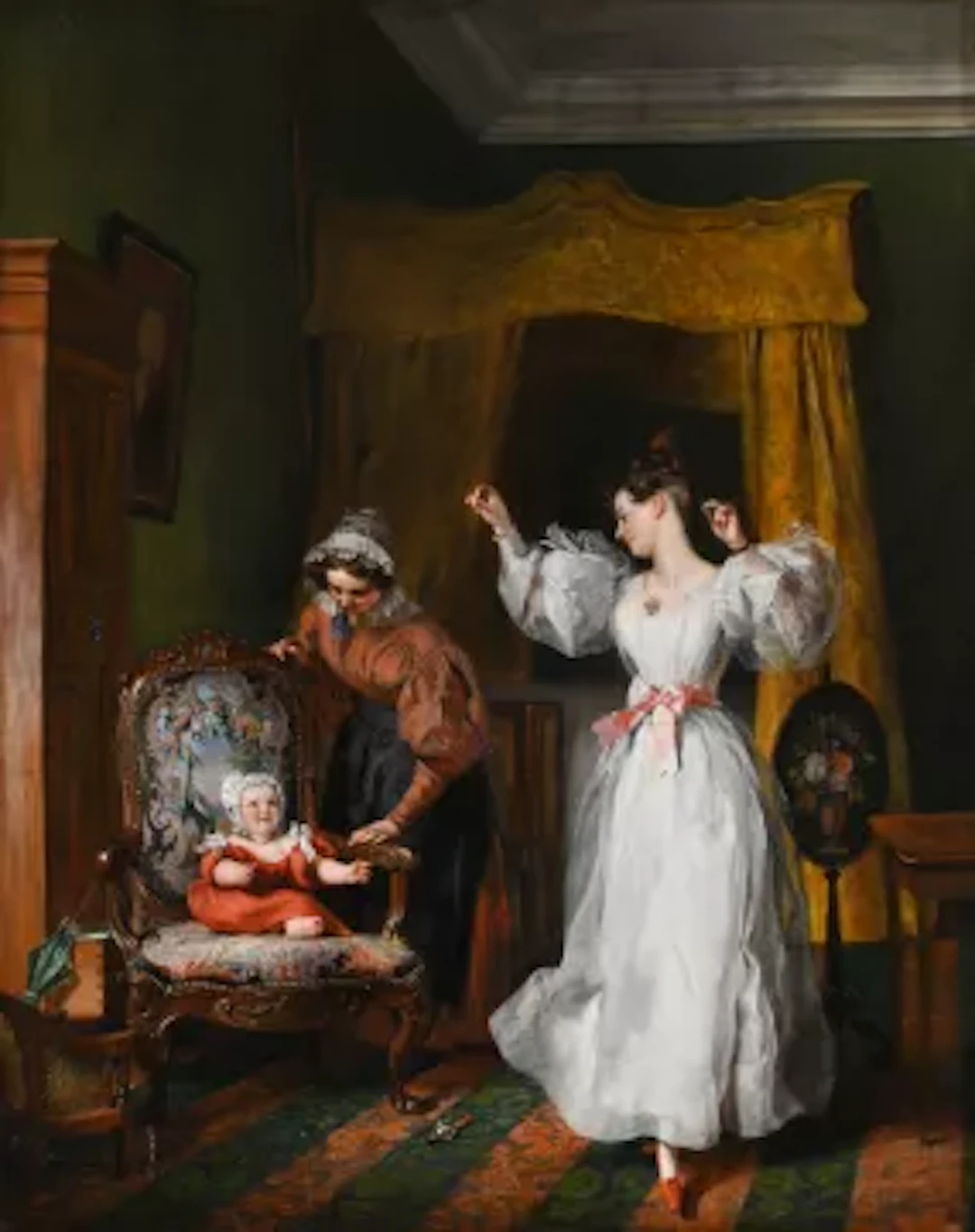
CHARLES ROBERT LESLIE (BRITISH 1794-1859) THE MOTHER'S HOPE Oil on canvas 73 x 58cm (28½ x 22¾in.) Provenance: Sir Francis Freeling, Bart, by 1835 Mr Grundy, by 1852 Thomas Waite, Esq., by 1855 Foster & Son, 16 May 1855 Mr Phillips, New Bond Street, London, November 1857 The late John Farnworth, Esq. of Woolton, Liverpool His sale, Christie’s, London, 18 May 1874, lot 71, where purchased by Carr The late John Farnworth, Esq. of Woolton, Liverpool His sale, Christie’s, London, 19 July 1890, lot 127, where purchased by Polak Jr A. & J. Polak, Manchester (according to label verso) Private collection, UK Exhibited: London, Royal Academy, 1833, no. 138 (as 'Mother and Child') London, Mr Grundy, Regent Street, his Exhibition, Winter 1852 Literature: Old England, 5 May 1833, p. 6 Albion and the Star, 13 May 1833, p. 3 Arnold’s Magazine of the Fine Arts, vol. no. 2, June 1833, p. 189 Gentleman’s Magazine, 1833, p. 445 Arnold’s Magazine of the Fine Arts, 1834, p. 547 Art Journal, vol. 2, 1856, p.74 Men of the Time - Biographical Sketches of Eminent Living Characters, 1856, p. 477 This is a charming domestic scene of a beautiful young mother dancing and snapping her fingers to the delight of her young child seated in an armchair and watched over by a devoted nurse. Emerging from the tradition of David Wilkie and painted in 1833 in the late Georgian era, Leslie’s picture looks towards the early Victorian narrative subjects focusing on home life, domestic harmony and above all their children, given the high rate of infant mortality. The picture was exhibited at the Royal Academy in 1833 (no. 138) with the title Mother and Child and much admired. Two years later it was engraved by Charles Rolls under the title The Mother’s Hope and reproduced in The Amulet, edited by S. C. Hall, 1835 (followed by verses by Laman Blanchard). It was subsequently reproduced in the German publication Helena in 1838 with the title in English, German and French. Thereafter it appears to have kept the title The Mother’s Hope. Not surprisingly the subject of family life was a common theme running through all late Georgian and early Victorian story and genre pictures. Leslie himself was very much a family man, marrying in 1825 and fathering six children. The composition is flawlessly rendered with great attention to detail and touches of eye-catching colour – the pink sash around the slender waist of the young mother, the red shoes on her dainty dancing feet complementing the baby’s red outfit. The mother’s exuberance suggests the child is her firstborn – this is endorsed by the subsequent title The Mother’s Hope. The baby with its animated expression looks up at its mother in delight with chubby arms outstretched and one irresistible foot extended. The interior of the room is carefully depicted with a canopied bed and furniture including a papier mâché floral painted tilt top table and a handsome embroidered French armchair upon which the baby is seated. Nothing has been avoided, even the ceiling has been treated with great observation. On the green and gold patterned carpet lies a silver rattle with bells, whistle and coral handle, perhaps tossed aside by the baby preferring the mother’s animated performance. A traditional object for centuries, these rattles are referred to in many Elizabethan inventories. They functioned as a special toy with the whistle and bells made of silver. The coral handle was used as a soothing teether and was thought to ward off evil spirits and disease. Leslie continued with the theme of maternal love and in 1846 he received a commission from John Gibbons, Esq., one of his patrons, to paint Mother and Child (Private collection) in which he conveys the inseparable loving bond, and once again we see the reappearance of the coral rattle on the carpet. This painting Mother and Child of 1846 (the original title of the present work in 1833) was commissioned by James Lenox as a variant of the composition in 1849 and called The Mother’s Return to her Child. Thus we know Leslie repeated similar titles and variants of compositions throughout his career, often returning to this theme. Although born in London in 1794, Charles Robert Leslie spent most of his childhood in America. Due to financial constraints, he was unable to study as an artist but for seven years from the age of fourteen he was apprenticed to the publishers Messrs Bradford and Inskeep in Philadelphia. Samuel Bradford, one of the partners in the firm, and also a director of the Pennsylvania Academy of the Fine Arts, recognised Leslie’s talent and helped raise the funds for him to study in London, promoting the young artist’s work as well as making his own contribution. Armed with a letter of introduction to the President of the Royal Academy, Benjamin West (himself from Pennsylvania), Leslie arrived in England in December 1811. He received tuition from West, and his former student Washington Allston (another fellow American) and enrolled in the Royal Academy Schools in 1813. His early work focused on history painting much in the same vein as his mentors. However, he subsequently favoured genre scenes, often from popular literary texts, along the lines of those so successfully painted by the Scottish artist David Wilkie (1785-1841). Although Wilkie was less than a decade older than Leslie, he met an untimely death at sea off the coast of Gibraltar at the age of 55. Leslie’s focus away from history paintings towards smaller literary subjects also tapped into the increased purchasing power of the growing middle-classes. In addition, he was also a fine portraitist and painted half-length portraits to support himself and further his reputation. His notable sitters including Sir Walter Scott and John Constable, who was a close friend. An early patron was the 3rd Earl of Egremont, and like Turner, Leslie frequently stayed at Petworth House in Sussex. Learn more » Condition Report Disclaimer, CHARLES ROBERT LESLIE (BRITISH 1794-1859), THE MOTHER'S HOPE, CHARLES ROBERT LESLIE (BRITISH 1794-1859) THE MOTHER'S HOPE Oil on canvas 73 x 58cm (28½ x 22¾in.) Provenance: Sir Francis Freeling, Bart, by 1835 Mr Grundy, by 1852 Thomas Waite, Esq., by 1855 Foster & Son, 16 May 1855 Mr Phillips, New Bond Street, London, November 1857 The late John Farnworth, Esq. of Woolton, Liverpool His sale, Christie’s, London, 18 May 1874, lot 71, where purchased by Carr The late John Farnworth, Esq. of Woolton, Liverpool His sale, Christie’s, London, 19 July 1890, lot 127, where purchased by Polak Jr A. & J. Polak, Manchester (according to label verso) Private collection, UK Exhibited: London, Royal Academy, 1833, no. 138 (as 'Mother and Child') London, Mr Grundy, Regent Street, his Exhibition, Winter 1852 Literature: Old England, 5 May 1833, p. 6 Albion and the Star, 13 May 1833, p. 3 Arnold’s Magazine of the Fine Arts, vol. no. 2, June 1833, p. 189 Gentleman’s Magazine, 1833, p. 445 Arnold’s Magazine of the Fine Arts, 1834, p. 547 Art Journal, vol. 2, 1856, p.74 Men of the Time - Biographical Sketches of Eminent Living Characters, 1856, p. 477 This is a charming domestic scene of a beautiful young mother dancing and snapping her fingers to the delight of her young child seated in an armchair and watched over by a devoted nurse. Emerging from the tradition of David Wilkie and painted in 1833 in the late Georgian era, Leslie’s picture looks towards the early Victorian narrative subjects focusing on home life, domestic harmony and above all their children, given the high rate of infant mortality. The picture was exhibited at the Royal Academy in 1833 (no. 138) with the title Mother and Child and much admired. Two years later it was engraved by Charles Rolls under the title The Mother’s Hope and reproduced in The Amulet, edited by S. C. Hall, 1835 (followed by verses by Laman Blanchard). It was subsequently reproduced in the German publication Helena in 1838 with the title in English, German and French. Thereafter it appears to have kept the title The Mother’s Hope. Not surprisingly the subject of family life was a common theme running through all late Georgian and early Victorian story and genre pictures. Leslie himself was very much a family man, marrying in 1825 and fathering six children. The composition is flawlessly rendered with great attention to detail and touches of eye-catching colour – the pink sash around the slender waist of the young mother, the red shoes on her dainty dancing feet complementing the baby’s red outfit. The mother’s exuberance suggests the child is her firstborn – this is endorsed by the subsequent title The Mother’s Hope. The baby with its animated expression looks up at its mother in delight with chubby arms outstretched and one irresistible foot extended. The interior of the room is carefully depicted with a canopied bed and furniture including a papier mâché floral painted tilt top table and a handsome embroidered French armchair upon which the baby is seated. Nothing has been avoided, even the ceiling has been treated with great observation. On the green and gold patterned carpet lies a silver rattle with bells, whistle and coral handle, perhaps tossed aside by the baby preferring the mother’s animated performance. A traditional object for centuries, these rattles are referred to in many Elizabethan inventories. They functioned as a special toy with the whistle and bells made of silver. The coral handle was used as a soothing teether and was thought to ward off evil spirits and disease. Leslie continued with the theme of maternal love and in 1846 he received a commission from John Gibbons, Esq., one of his patrons, to paint Mother and Child (Private collection) in which he conveys the inseparable loving bond, and once again we see the reappearance of the coral rattle on the carpet. This painting Mother and Child of 1846 (the original title of the present work in 1833) was commissioned by James Lenox as a variant of the composition in 1849 and called The Mother’s Return to her Child. Thus we know Leslie repeated similar titles and variants of compositions throughout his career, often returning to this theme. Although born in London in 1794, Charles Robert Leslie spent most of his childhood in America. Due to financial constraints, he was unable to study as an artist but for seven years from the age of fourteen he was apprenticed to the publishers Messrs Bradford and Inskeep in Philadelphia. Samuel Bradford, one of the partners in the firm, and also a director of the Pennsylvania Academy of the Fine Arts, recognised Leslie’s talent and helped raise the funds for him to study in London, promoting the young artist’s work as well as making his own contribution. Armed with a letter of introduction to the President of the Royal Academy, Benjamin West (himself from Pennsylvania), Leslie arrived in England in December 1811. He received tuition from West, and his former student Washington Allston (another fellow American) and enrolled in the Royal Academy Schools in 1813. His early work focused on history painting much in the same vein as his mentors. However, he subsequently favoured genre scenes, often from popular literary texts, along the lines of those so successfully painted by the Scottish artist David Wilkie (1785-1841). Although Wilkie was less than a decade older than Leslie, he met an untimely death at sea off the coast of Gibraltar at the age of 55. Leslie’s focus away from history paintings towards smaller literary subjects also tapped into the increased purchasing power of the growing middle-classes. In addition, he was also a fine portraitist and painted half-length portraits to support himself and further his reputation. His notable sitters including Sir Walter Scott and John Constable, who was a close friend. An early patron was the 3rd Earl of Egremont, and like Turner, Leslie frequently stayed at Petworth House in Sussex. Provenance:, Exhibited:, Literature:, Old England, Albion and the Star, Arnold’s Magazine of the Fine Arts, Gentleman’s Magazine, Art Journal, Men of the Time - Biographical Sketches of Eminent Living Characters, Mother and Child, Helena, The Mother’s Hope, Learn more », Condition Report Disclaimer
Schätzpreis:€8,258.61
Zur AuktionAlle Objekte ansehen vonDreweattsoderKunst und Drucke
Schätzpreis:
€8,258.61
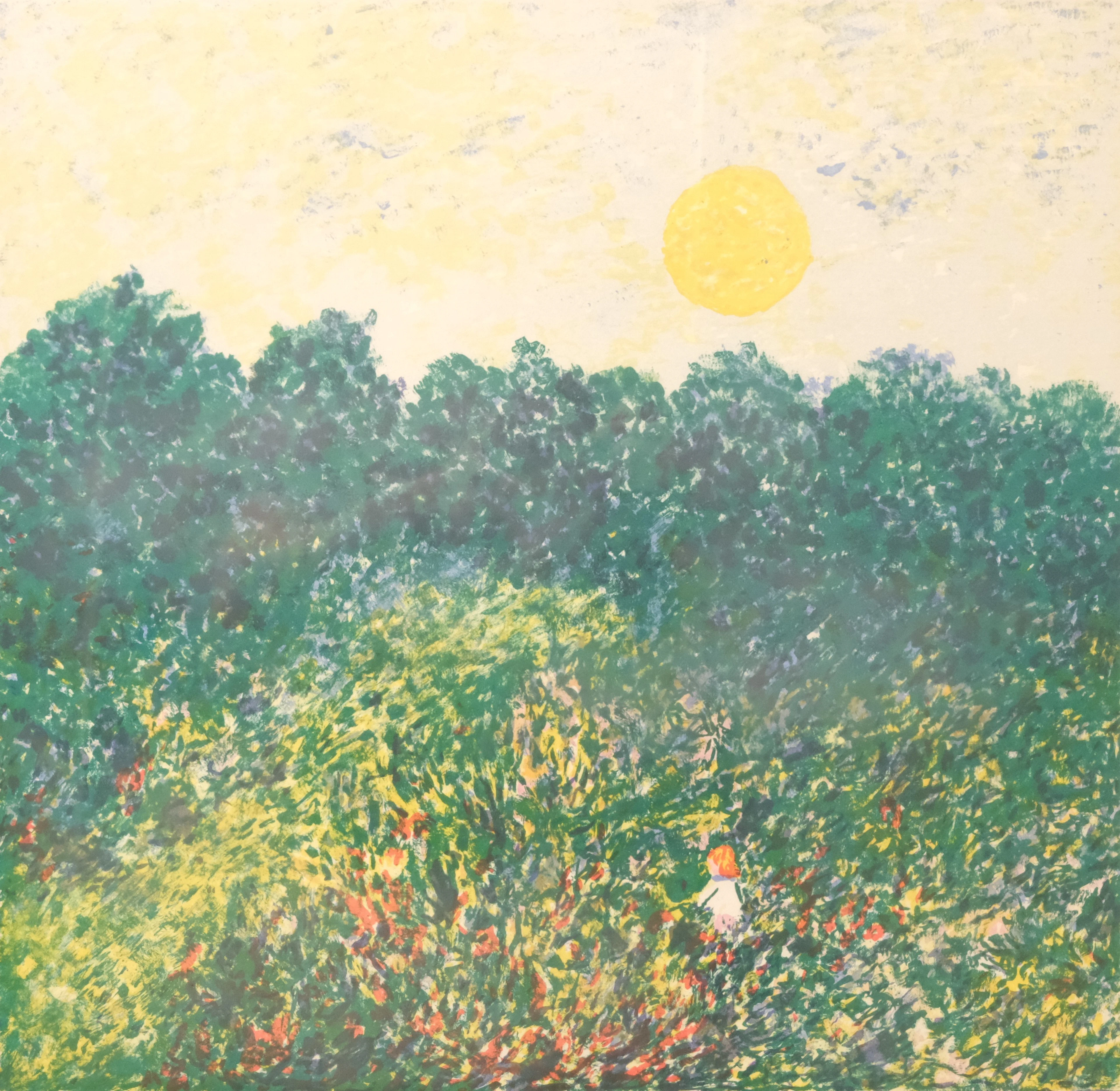
KARIN OLSSON. FÄRGLITOGRAFI. SKOGSLANDSKAP MED LITEN FLICKA.
10/07/2026

€26.83
Schätzw.: €53.32



Bringen Sie Ihre Auktion zu Sammlern weltweit!
Jetzt eintragen lassen
€90
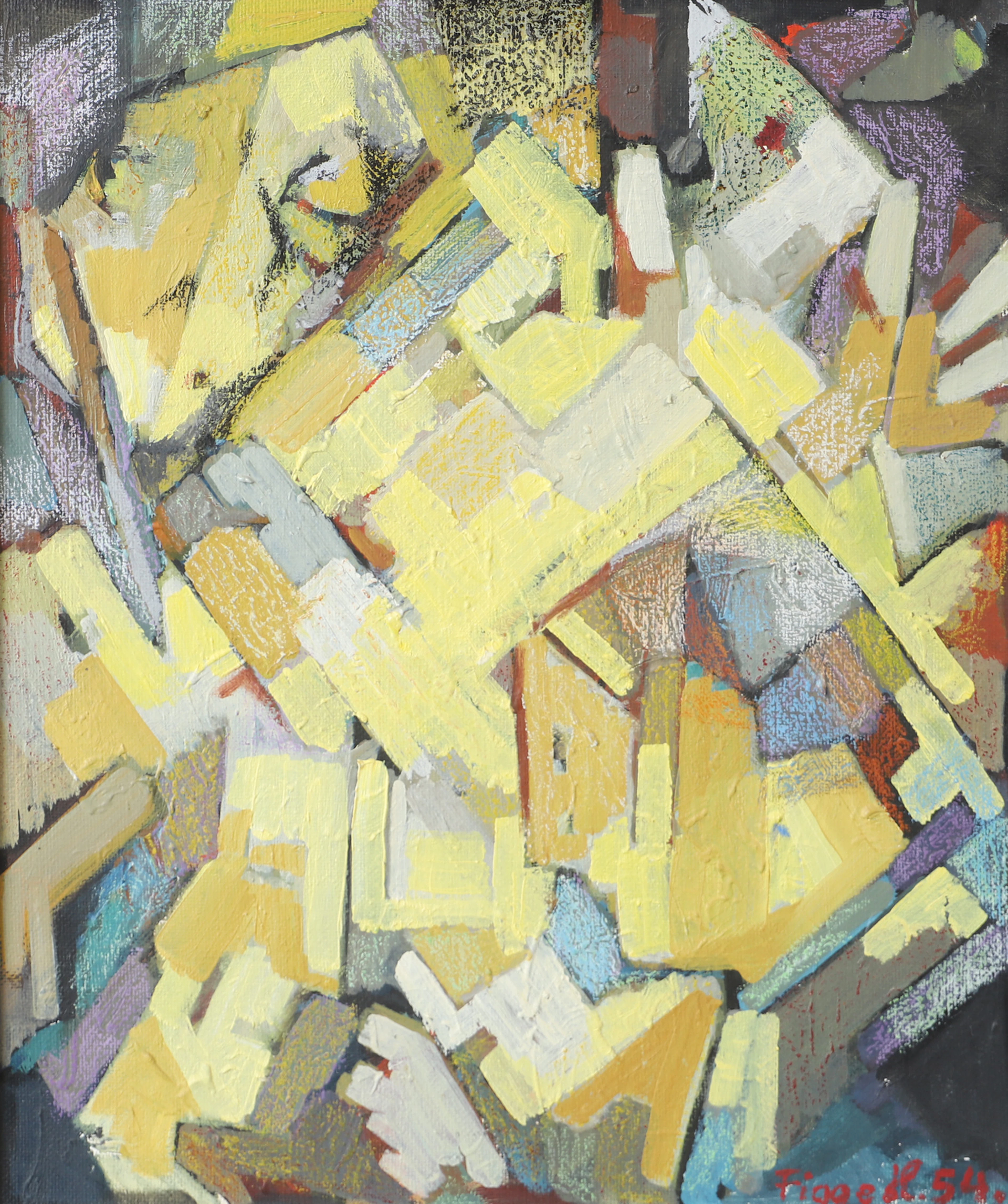
FIGGE HOLMGREN. Komposition i gult, olja på pannå, signerad Figge H. -54.
10/07/2026

€239.27
Schätzw.: €71.09
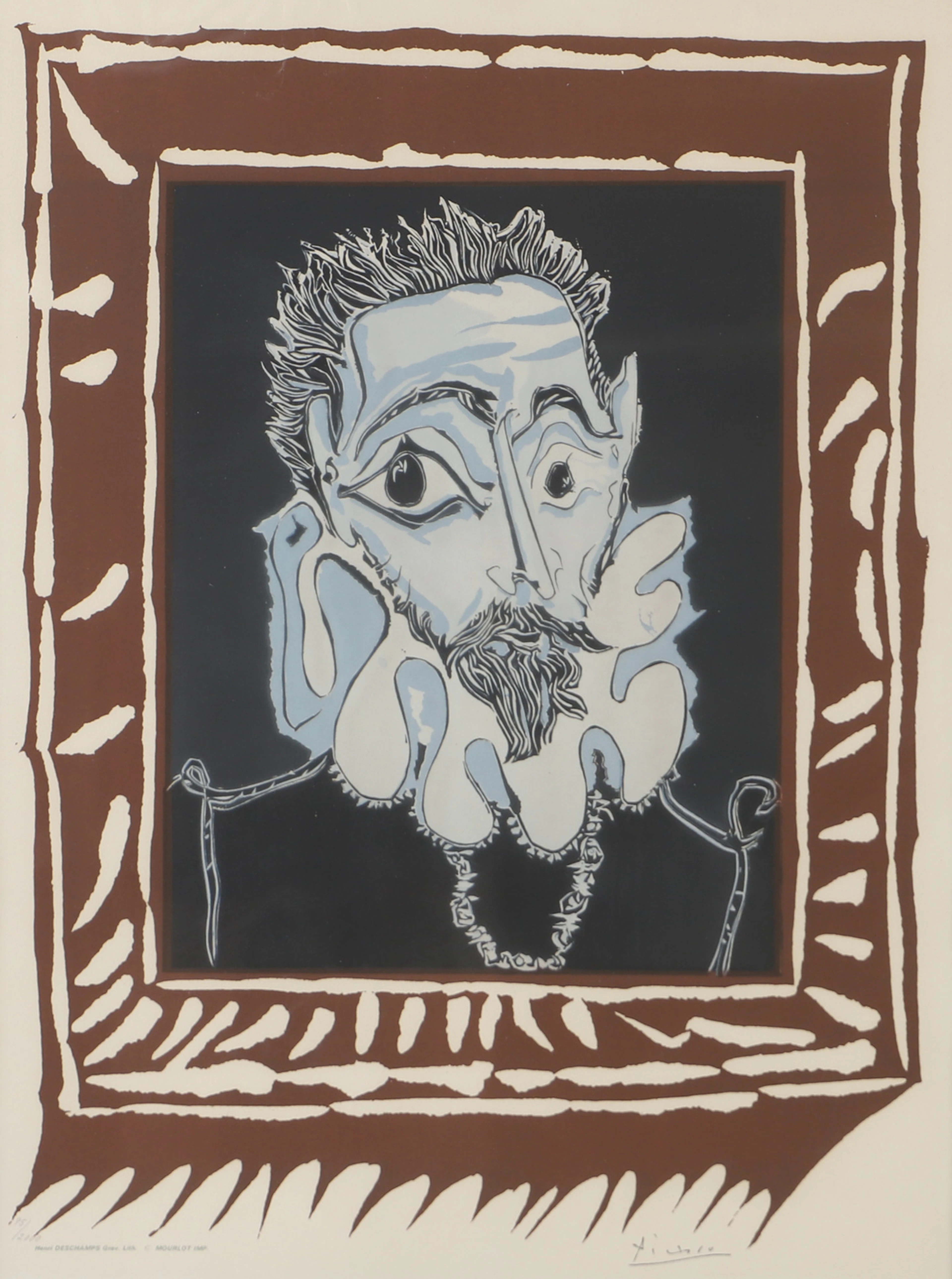
PABLO PICASSO. EFTER. Man med krage, grafiskt blad, signerad i trycket.
10/07/2026
€26.83
Schätzw.: €71.09
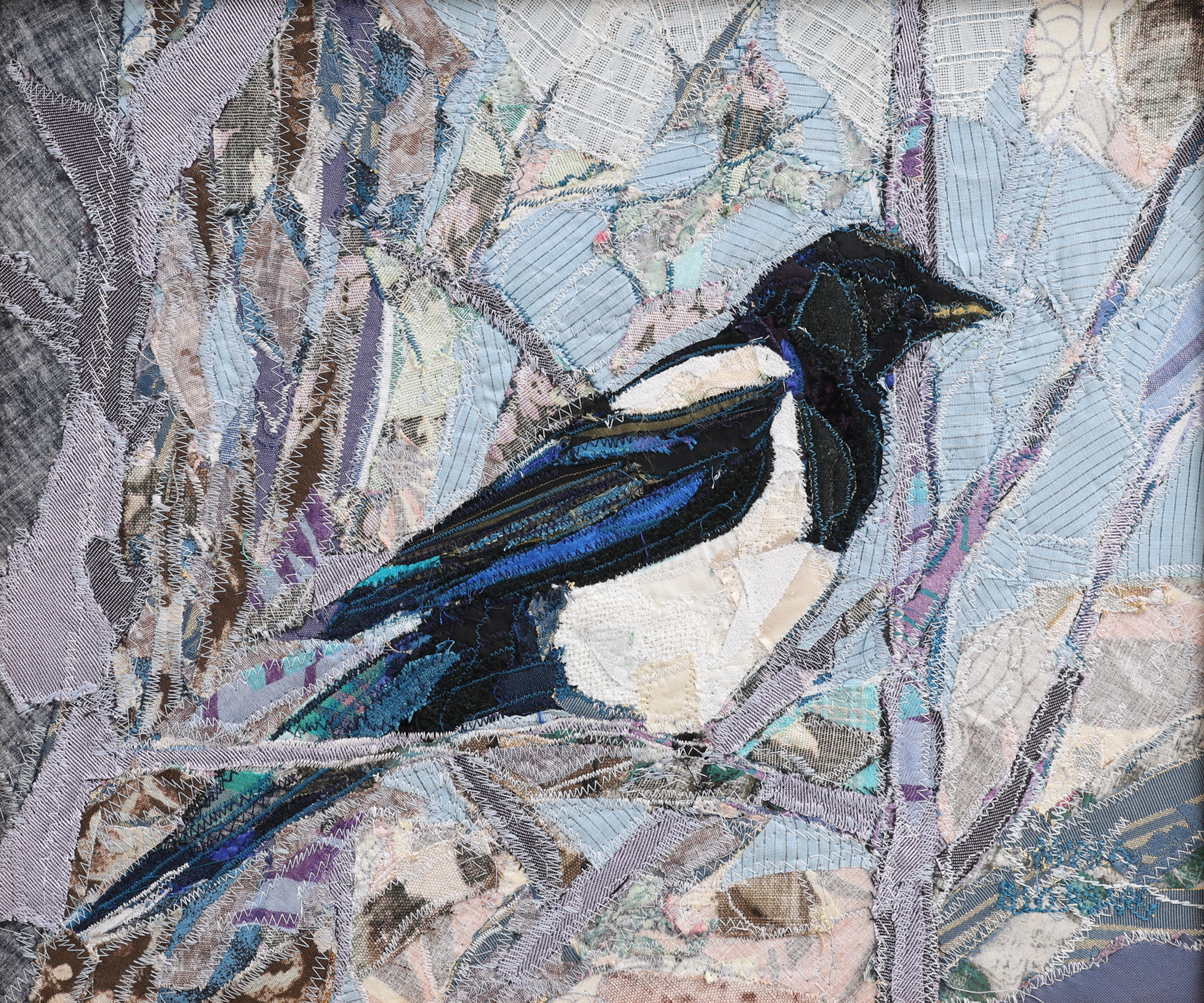
MARIA BLOMBÄRG (FÖDD 1945). KOMPOSITION MED SKATA.
10/07/2026
€232.56
Schätzw.: €177.74