


Alle Auktionen / Zeitgenössische Kunst / Daniel Argimon Granell (1929-1996) - Los seis símbolos

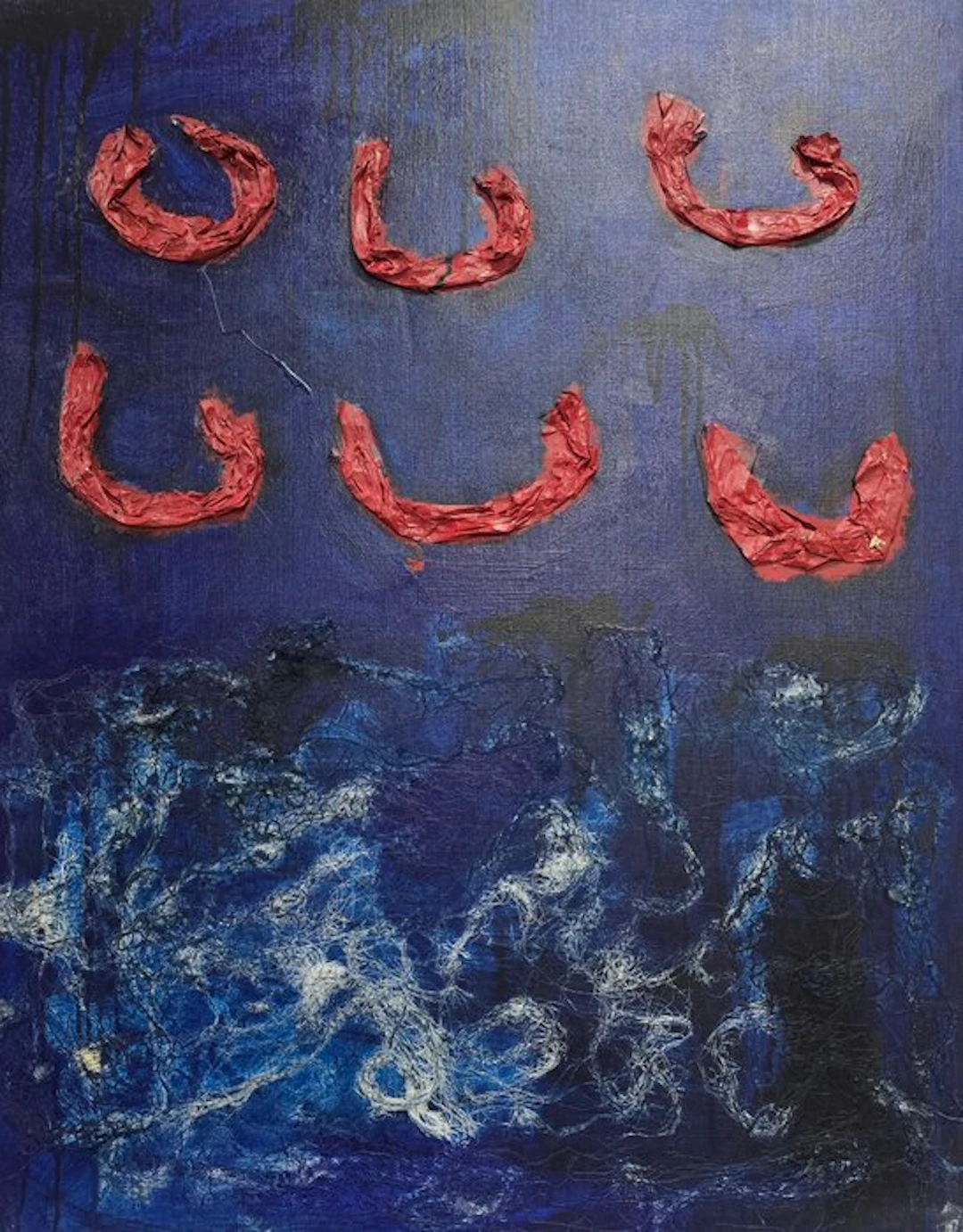
Pictura Galeria presents this magnificent artwork by Daniel Argimon, depicting six red shapes suspended over a deep, tangled blue background, as a metaphor for the contrast between outward appearance and the complexity of the inner world. The painting stands out for its excellent technique and the high pictorial quality it conveys. · Dimensions: 92.5 x 73 x 2 cm. · Oil on canvas hand-signed by the artist on the reverse, Argimon. · The piece is in good conservation condition. The work comes from an exclusive private collection in Girona. Important note: the photographs included form an integral part of the lot description. The artwork will be professionally packaged by an IVEX expert (https://www.instagram.com/ivex.online/), using high-quality materials to ensure its protection. The shipping price covers both the cost of professional packaging and the transport itself. Shipping will be carried out by Correos or GLS with tracking. International shipping available. This painting presents a composition of strong visual intensity, dominated by a deep universe of blues over which six reddish forms are distributed in the upper half. The scene is intuitively divided into two different spaces: a higher, more open, orderly and quiet area, and a much denser, darker and more enigmatic lower band. This opposition creates a powerful tension between clarity and confusion, lightness and weight, surface and depth. The work invites contemplation of its elements without imposing a definitive interpretation, allowing each viewer to find in them their own symbols, memories and emotions. The background is constructed using a wide range of blues that traverses almost the entire composition. In some places a blue close to violet predominates, while in others there are grayish, black, turquoise and brighter bluish tones. This diversity prevents the space from feeling uniform and creates the sense of a changing atmosphere. The blue may recall night, the depths of the sea, a starless sky, or the interior of a thought. The upper left zone is especially dark and is crossed by vertical black lines that descend like drops, shadows, or traces of dampness. These marks impart a sense of gravity and make the space feel more closed. As the gaze moves to the right, the background becomes somewhat lighter and takes on blue-gray hues. This transition gives the impression of a movement from darkness toward a faint light. The six red shapes constitute the most recognizable and striking elements. They are distributed in two rows of three, establishing a simple order that contrasts with the complexity of the lower space. All feature a curved structure opening upward, though each has small differences in size, tilt and contour. Their repetition creates rhythm and suggests a sequence of signs belonging to an unknown language. These forms may recall horseshoes, containers, cradles, boats, smiling mouths, open arms, or fragments of some ancient symbol. Precisely their ambiguity grants them great richness. They are not fully recognizable objects, but retain enough familiarity to evoke associations. The viewer may perceive them as protective elements, welcoming gestures, or suspended presences within a nocturnal space. The first form, located at the top left, is more closed than the others and approaches an incomplete circular figure. Its ends nearly touch, creating the sense of an interrupted cycle or an embrace that does not quite close. The blue interior remains visible and creates a strong contrast with the reddish contour. Its position next to the darkest area of the background gives it an especially intense presence. The central shape of the top row appears more open and has two raised ends. Its silhouette recalls a vessel ready to receive something, a boat viewed frontally, or two raised arms. Near one side there is a small dark band that interrupts the red and adds an unexpected detail. This variation could symbolize a wound, a union, a pause, or a unique mark. The third shape of the top row is longer and balanced. Its ends curve upward softly, giving it a nearly smiling appearance. Its location in a slightly brighter area makes it stand out clearly. It can be interpreted as a sign of openness, acceptance, or hope, although its red color carries a strong emotional charge. In the bottom row, the leftmost figure again presents a broad, open structure. One of its ends rises more than the other, breaking symmetry and creating a sense of movement. A fine line seems to descend from the upper form toward it, as if they were connected. This discreet union introduces the possibility of a relationship between the symbols, akin to a thread of memory or an invisible transmission. The central lower form is the widest of the six and occupies a prominent position. Its deep curve creates a considerable interior space, and its ends rise forcefully. It may recall a vessel prepared to contain experiences, emotions or memories. Its place over the more complex area of the work suggests it acts as a boundary between the ordered upper space and the turbulent lower world. The last form, on the right, presents a more compact and angular silhouette. Its raised ends seem like two opposing presences or two figures joined by a common base. Near one side there is a small light dot that breaks the continuity of the red. This tiny detail introduces a sense of fragility, as if even the strongest symbols carried a crack or a signal of transformation. The red color of the six shapes contrasts intensely with the blue of the background. Red can relate to life, blood, passion, energy, danger, or bodily memory. Blue, on the other hand, often evokes depth, silence, distance, and contemplation. The coexistence of both colors creates an emotional tension that can be understood as a clash between impulse and calm, presence and emptiness, desire and thought. The reddish forms have an irregular and folded surface that gives them an organic appearance. They seem built from gathered fragments, as if molded, repaired or rescued after a transformation. Their irregularities keep them away from geometric perfection and each maintains its own identity. This visible fragility increases their expressiveness and makes them living symbols. The lower half completely changes the rhythm of the work. There, dark masses, blue stains, black shapes, and extensive whitish lines pile up and intertwine. The space takes on an almost physical density and seems to contain a hidden landscape. It may recall a marine background, roots underground, a multitude of bodies, a nocturnal city, or a network of thoughts impossible to order. Clear lines traverse this area forming knots, curves and labyrinthine structures. In some spots they seem like roots, branches, nerves or currents of water; in others they resemble illegible writings or imaginary maps. Their path is unpredictable and creates a sense of continuous movement. These shapes appear to seek an exit within the darkness, like thoughts trying to become words. Among the tangle there appear brighter blue areas that introduce brief flashes amid the density. Some zones acquire turquoise or electric tones, while others sink into nearly black blues. This alternation generates depth and allows imagining multiple overlapping layers. The lower space does not seem completely closed, for it retains small points of light suggesting resilience and life. Dark vertical shapes are also distinguishable, which could resemble human figures, columns, buildings, or tree trunks. These presences emerge partially from the blue and white mass, but never become fully defined. Their ambiguity contributes to the mystery and can evoke a silent crowd located beneath the red symbols. They seem to be inhabitants of a hidden world, trapped between shadows and connections. The separation between the two halves is not marked by a rigid line. The blue background continues from top to bottom and some dark elements rise from the bottom area. This allows both spaces to remain connected, as if the visible ordered part arose from a chaotic depth. The six red shapes could be thoughts, memories or emotions that have managed to rise from that inner territory. The composition can be interpreted as a representation of the mind. The upper zone would correspond to the ideas we manage to recognize, organize and repeat, while the lower would reveal a subconscious full of impulses, memories and intertwined associations. The red signs would then be conscious symbols floating over a much more complex universe. This reading turns the work into an exploration of identity and what remains hidden within every person. Another possible interpretation relates the red shapes to boats suspended over a dark sea. The lower zone could represent deep and agitated waters, full of currents and wreckage. The upper figures would seem like small boats ready to sail or containers meant to protect something valuable. From this perspective, the work would speak of journey, survival, and the search for security in the face of the unknown. They could also be seen as six smiles or opening gestures that contrast with a emotionally complex background. This opposition would suggest the difference between outer appearance and the inner world. The surface shows orderly and almost cheerful signs, while below a turbulent reality extends. The work would invite reflection on what we hide behind everyday gestures. The number six and the two-row arrangement impart a sense of system or sequence. The shapes seem to belong to the same family, yet none is identical to the others. This can be read as a representation of different people, stages, memories or emotional states. Repetition does not erase individuality; it allows us to appreciate differences. The verticality of the format reinforces the idea of depth. The gaze begins with the suspended signs and descends toward the lower area, where the shapes become denser and harder to understand. It is also possible to travel the opposite way, rising from chaos to reach order. This dual direction makes the composition a picture of both fall and ascent. Despite its dark tones, the work does not convey only distress. The reds provide energy and the white lines in the lower space introduce flashes of clarity. Even within the densest zones there are connections and movements suggesting a possibility of transformation. The darkness is not static but contains intense inner activity. The painting invites slow, personal observation. There is no completely defined narrative scene, so the viewer must construct their own meaning. The shapes can change according to the viewer’s mood: at times they may seem protective and at other times unsettling; they may recall smiles, wounds, containers, arms, or signs. This capacity for transformation is one of the work’s principal riches. Overall, this painting is an intense and mysterious abstract composition in which six red shapes float above a blue universe divided between order and chaos. The upper zone conveys repetition, balance and an apparent calm, while the lower part reveals a dense world of lines, knots, shadows and connections. The contrast between the vital red and the deep blue suggests a dialogue between emotion and thought, surface and interior, safety and uncertainty. The work can be understood as a representation of the complexity of the human mind, where visible symbols emerge from a hidden territory full of memories, tensions and possibilities for transformation.
Schätzpreis:€500
Zur AuktionAlle Objekte ansehen vonCatawikioderZeitgenössische Kunst
Schätzpreis:
€500
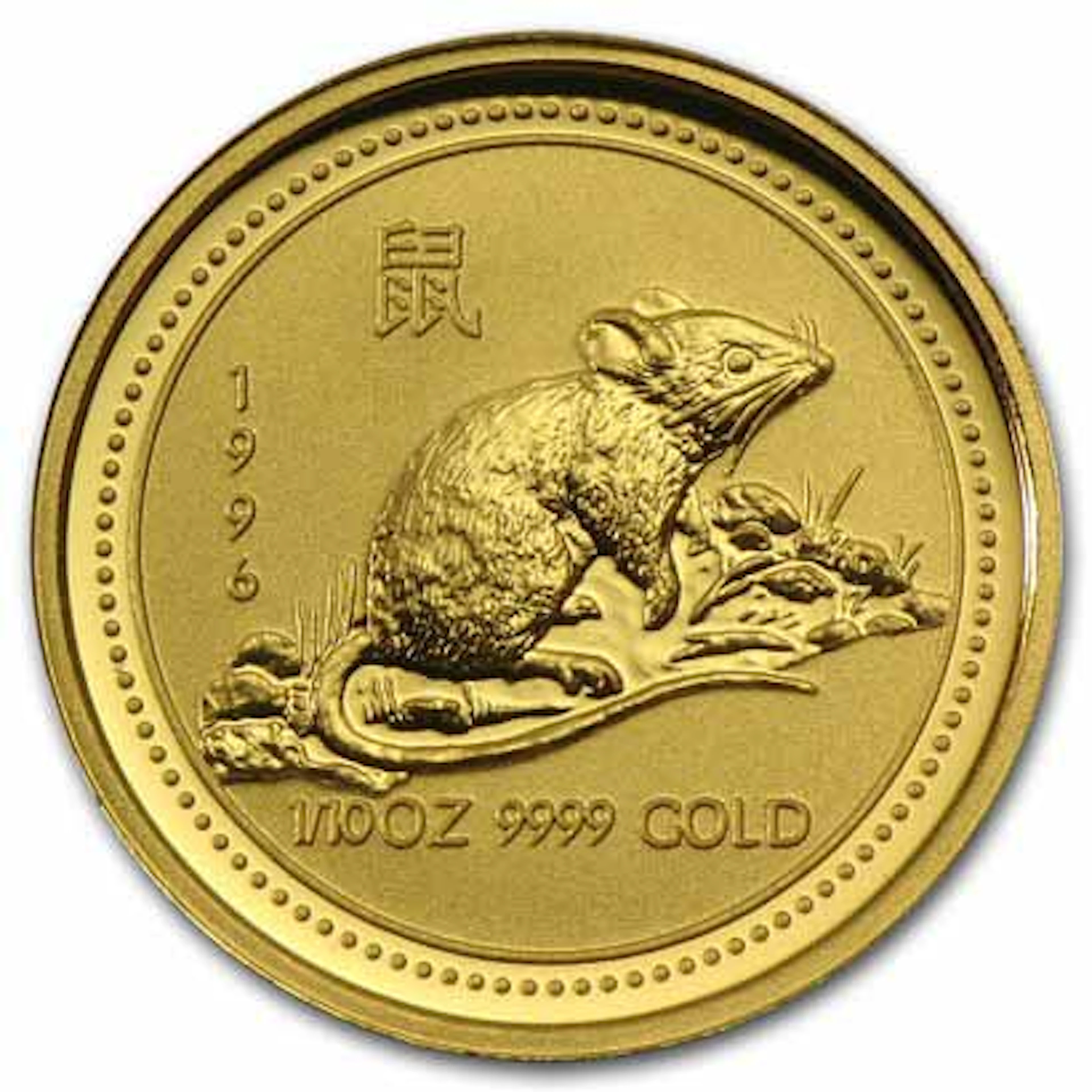
1996 Australia 1/10 oz Gold Lunar Rat (Series I)
12/06/2017
€399
Schätzw.: €495.6
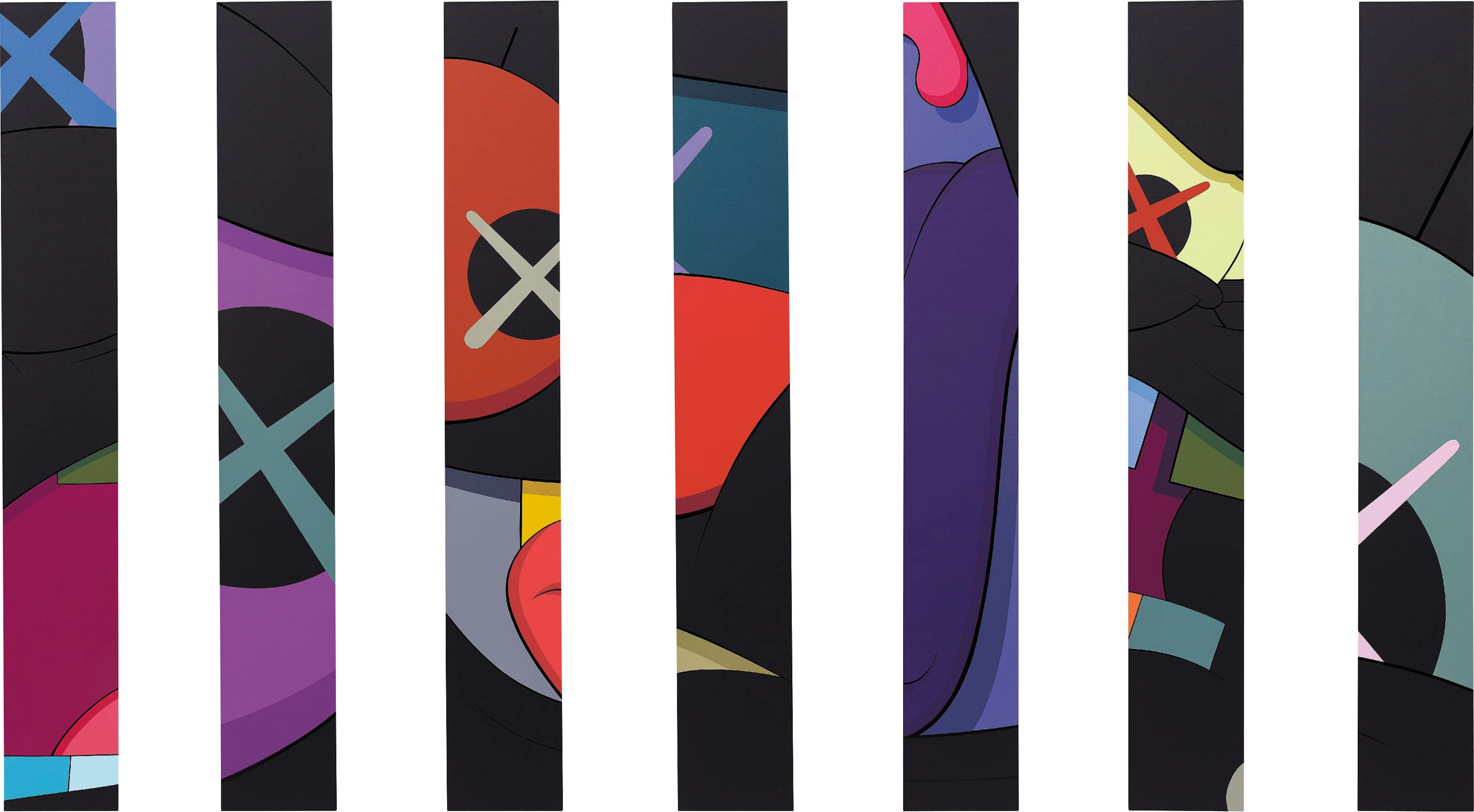
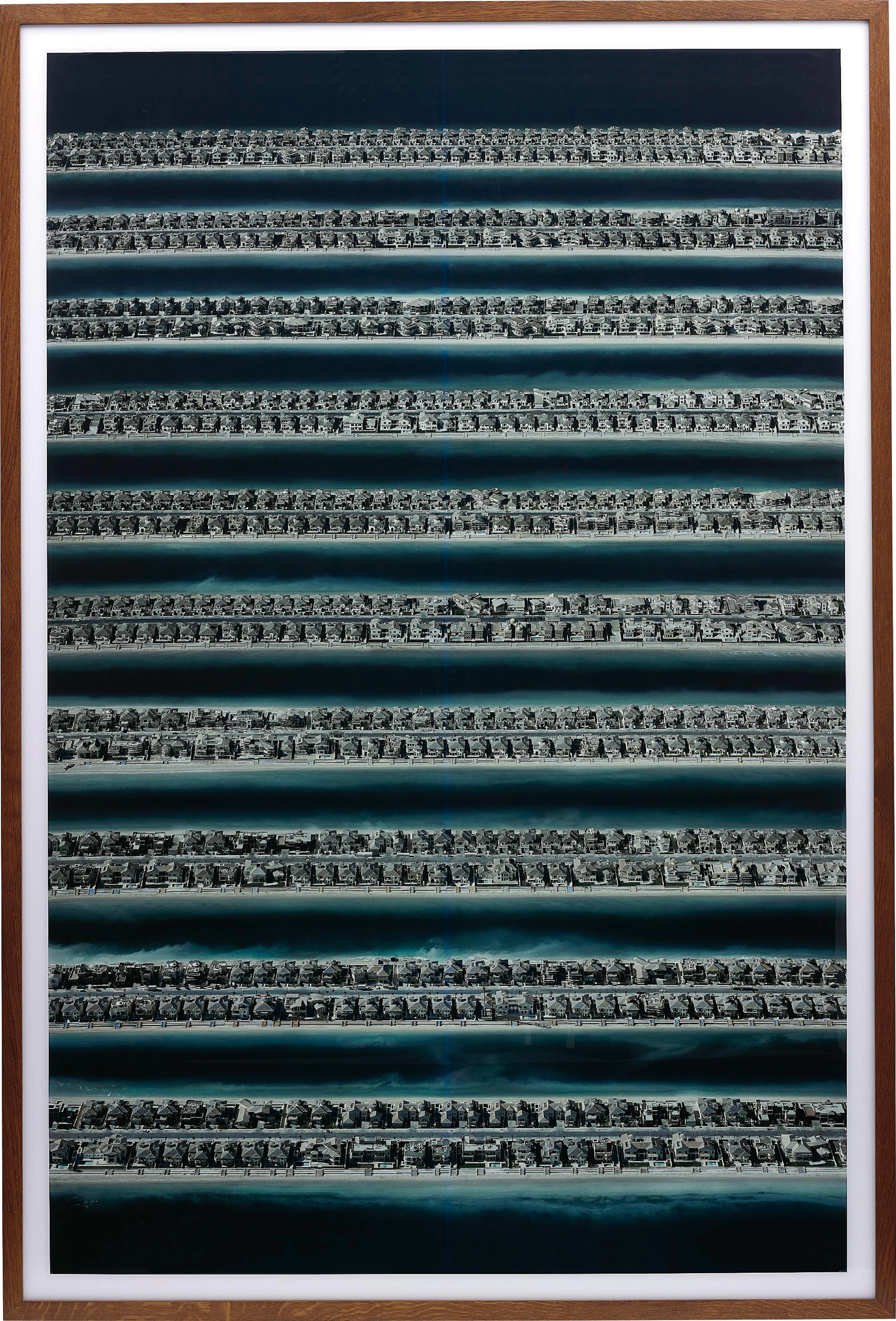
Study for Homage to the Square: Wet and Dry – Josef Albers
03/08/2017

€497,250
Schätzw.: €175,500




Bringen Sie Ihre Auktion zu Sammlern weltweit!
Jetzt eintragen lassenMit der Anmeldung stimmen Sie der Datenschutzrichtlinie zu. Jederzeit abmelden.
Barnebys HQ
Brahegatan 10
BOX 5038
114 37 Stockholm
