



Alle Auktionen / Kunst und Drucke / École néo-fauviste européenne du XXe siècle

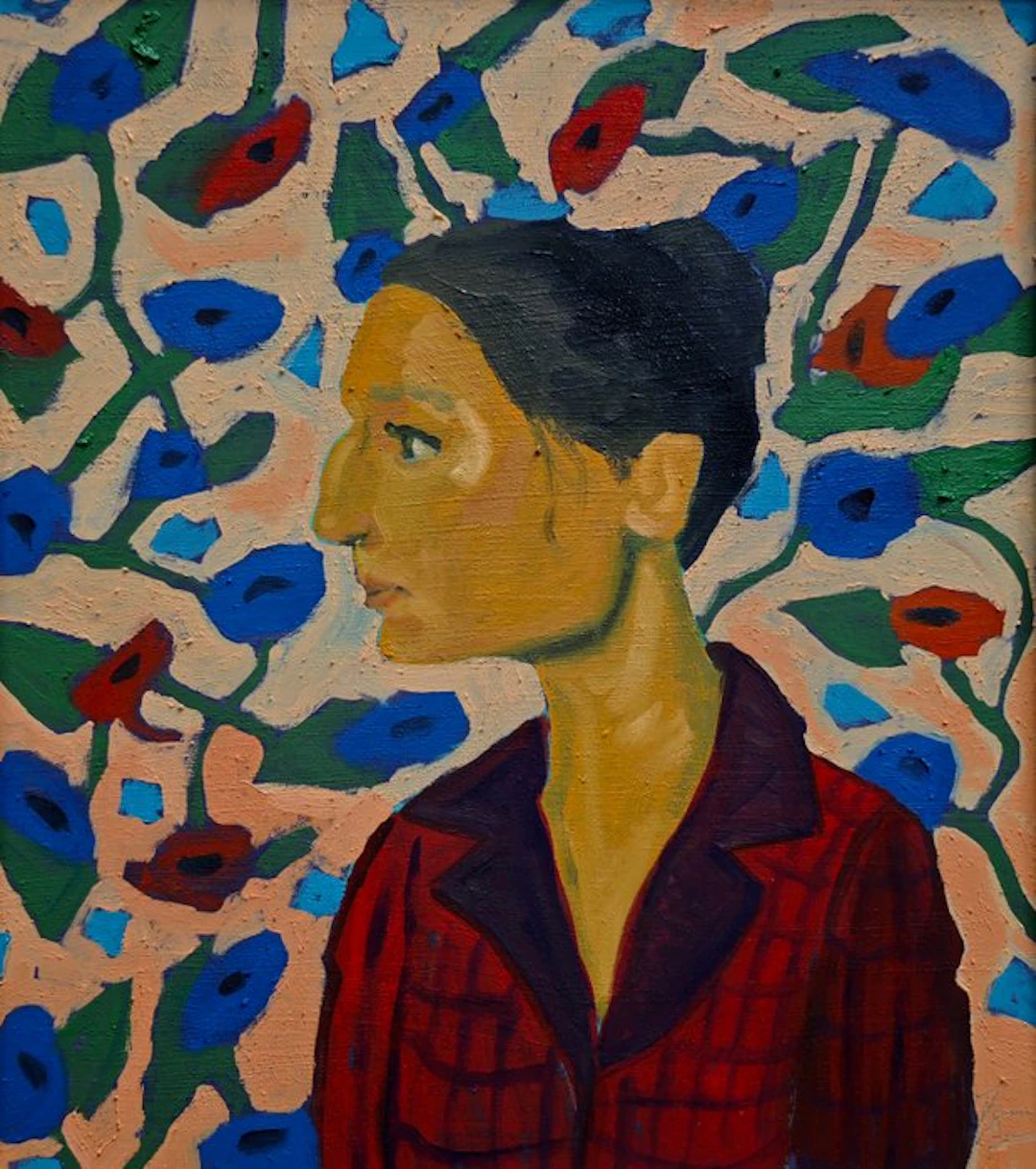
European Neofauvist School of the 20th Century – Female Portrait with Floral Background – Oil Interesting and expressive painting belonging to the European neofauvist school of the 20th century, depicting a profile portrait of a woman against a background of floral motifs, executed through an intense combination of colors and a marked simplification of forms. The work stands out for its modern pictorial language, its chromatic strength, and the original relationship between the human figure and the decorative space surrounding it. The artist uses a palette of vivid colors, dominated by yellows, reds, blues, and greens, establishing contrasts of great visual intensity that recall the investigations developed by the Fauvist and European Expressionist currents. The composition shows a clear influence of French Fauvism, especially in the autonomous use of color and in the integration of the figure with an ornamental vegetal background. Furthermore, the simplification of facial features, the construction of the face through color planes, and the expressive intensity of the composition allow linking the painting to certain trends of figurative expressionism and post-impressionism. The result is a work of notable personality, in which the representation of the traditional portrait is transformed by a modern, synthetic, and deeply decorative language. Description and artistic analysis The composition presents the bust of a woman represented in profile, with dark hair gathered and a reddish jacket of geometric structure. The face is built with yellow and ochre tones, with defined contours and a deliberate simplification of the features. The figure stands out against a background of intense chromatic decoration, formed by blue and red flowers, green leaves, and wide areas of cream color. The artist avoids a naturalistic representation of space and grants the background importance equal to that of the portrait itself. The vegetal forms are distributed across the entire pictorial surface, creating an ornamental rhythm that envelops the figure and helps unify the composition. The use of flat colors, defined contours, and strong contrasts generates an image of notable expressive force. The face shows a serene and introspective attitude, reinforced by the lateral gaze and the absence of narrative elements. The red jacket, constructed through dark lines suggesting a grid-like structure, introduces a geometric counterpoint to the organic shapes of the background. Thus the composition combines two complementary languages: the synthetic representation of the human figure and the decorative exuberance of floral motifs. This relationship constitutes one of the main attractions of the work. Neofauvism and the renewal of European figurative painting From a stylistic point of view, the painting can be placed within the European neofauvist tradition of the 20th century, understood as a revival and reinterpretation of the chromatic and expressive principles of historic Fauvism. Fauvism arose in France at the beginning of the 20th century and marked a deep transformation in the use of color. From 1905, artists such as Henri Matisse, André Derain, Maurice de Vlaminck, Raoul Dufy, and Albert Marquet developed a painting characterized by chromatic intensity, simplification of forms, and an increasingly free interpretation of reality. In contrast to traditional academic procedures, these artists defended the capacity of color to convey sensations and to construct independent compositions from the natural appearance of objects. Colors began to be used with a freedom hitherto unknown, taking on an expressive and structural function. During the following decades, numerous European painters recovered these approaches and incorporated them into personal figurative languages. The term neofauvism describes these later manifestations of Fauvist sensitivity, though it does not correspond to a single homogeneous movement with strict chronological boundaries. The present painting participates in this tradition through the use of intense colors, the simplification of the figure, and the decorative treatment of space. The yellow of the face, the red of the clothing, and the blues and greens of the background do not subordinate themselves to a naturalistic representation, but establish an autonomous chromatic organization. The artist thus accords color a fundamental protagonism, turning it into the main expressive element of the composition. Influence of Henri Matisse and modern decorativeness One of the most interesting stylistic references in the work is found in the painting of Henri Matisse (1869–1954), especially in his compositions featuring female figures integrated into interiors and ornamental backgrounds. Matisse developed a pictorial language where color, line, and decorative motifs acquired fundamental importance. In numerous works, the floral backgrounds, patterned fabrics, and ornamental elements cease to be secondary and become essential parts of the composition. The human figure appears integrated within a pictorial surface organized by chromatic rhythms and decorative relationships. From a stylistic perspective, this approach can be recognized in the present painting. The floral background is not merely a setting, but a visually prominent element whose chromatic intensity dialogues directly with the female portrait. The blue and red flowers, green leaves, and bright surfaces create a decoratively dynamic composition. The central figure, meanwhile, maintains a relatively simple structure, defined by contours and large areas of color. This combination of figurative synthesis and decorative richness recalls certain characteristic procedures of Matisse’s painting. It is not a claim or direct attribution to the artist, but a formal affinity within the evolution of European modern painting. The work also participates in a decorative conception of the portrait that had important continuity throughout the 20th century. In these compositions, the interest resides not only in reproducing the model’s appearance but in constructing an image of great visual strength through balance between figure, color, and ornamentation. Post-impressionist, synthetic, and expressionist influences In addition to its evident Fauvist sensibility, the painting shows affinities with other fundamental currents of European modernity. Post-impressionism constitutes one of the main antecedents of the chromatic language used in the work. Artists such as Paul Gauguin and Vincent van Gogh helped transform the representation of reality through more expressive color use and greater freedom in execution. Gauguin developed compositions characterized by the simplification of forms, defined contours, and the use of relatively flat color surfaces. These investigations gave rise to synthetism, a tendency aiming to reduce represented elements to their essential characteristics and reinforce the expressive and decorative dimension of painting. The present work shows certain affinities with these approaches, especially in the synthetic construction of the face and in the organization of the background by clearly defined shapes. The use of an intense palette and the importance given to individual expression also allow establishing connections with figurative expressionism. During the 20th century, numerous expressionist artists resorted to simplification, deliberate distortion, and chromatic contrasts to convey emotional states. In this painting, the elongated face, the synthesized features, and the introspective attitude of the figure provide a psychological dimension that contrasts with the chromatic vitality of the background. The combination of both elements generates an interesting tension between serenity and dynamism. Thus the work brings together characteristics of different currents of modern pictorial art, integrated within a figurative language with neofauvist orientation. The female portrait in modern painting The representation of the female figure occupied a fundamental place within European painting of the 20th century. With the development of the vanguards, the portrait ceased to depend exclusively on physical likeness and academic precision. Numerous artists began to use the human figure as a starting point to explore new expressive possibilities through color, composition, and formal simplification. The face and body could be transformed through color planes, defined contours, and deliberately altered proportions. This evolution allowed for portraits in which the model’s personality was transmitted through freer pictorial resources. The present work participates in this modern sensibility. The woman appears represented in profile, with a contained expression and an introspective attitude. The artist avoids a meticulous description of her features, focusing on the construction of an image of great formal clarity. The face, defined by yellows and ochres, contrasts intensely with the dark hair and the reddish clothing. The floral background introduces a decorative dimension that transforms the portrait into a composition of broader scope. The figure ceases to appear as an isolated element and becomes part of a chromatic organization in which all components gain importance. The result is a portrait of modern sensibility, where psychological expressiveness and ornamental richness complement each other. Color, composition, and painting execution Color is the main expressive resource of the painting. The palette is dominated by intense yellows, deep reds, saturated blues, greens, and warm light hues. The artist establishes direct contrasts between complementary and adjacent colors, generating a composition of notable visual intensity. The yellow face stands out against the dark hair, while the red jacket establishes a color relationship with the flowers distributed in the background. Blues and greens introduce a cool contrast that balances the presence of warm colors. The composition is organized around a central vertical-structured figure, surrounded by a dynamic rhythm floral background. The vegetal forms are distributed through curved lines and defined color surfaces, while the clothing incorporates a more geometric structure. Visible brushwork and the simplification of volumes reinforce the modern character of the execution. The artist gives priority to the relationships between color surfaces, avoiding overly academic modeling. The result is a painting of notable compositional unity, in which the human figure and the ornamental background integrate within a single expressive language. Signature and cataloging The painting features an illegible signature, which does not allow establishing the author’s identity with certainty. For this reason, the work is cataloged within the European neofauvist school of the 20th century, based on its chromatic, formal, and stylistic characteristics. This designation refers to its pictorial language and its affinities with Fauvist tradition, without implying attribution to a particular artist. Artistic and collecting interest The painting constitutes an attractive interpretation of the female portrait within the European neofauvist tradition of the 20th century. Its main interest lies in the chromatic intensity, the expressive simplification of the figure, and the original integration of the portrait with an ornamental floral background. The work shows a clear modern sensibility, related to the renewal of color and figurative representation developed by avant-garde currents. The Fauvist, post-impressionist, synthetic, and expressionist influences enrich its pictorial language and contribute to giving it notable personality. The combination of the introspective face, the reddish clothing, and the background of intense colors creates a composition of great visual appeal. This is a painting particularly interesting for collectors of neofauvism, Fauvism, figurative Expressionism, 20th-century European painting, female portrait, and decorative modern art. Characteristics of the work Author: Illegible signature. School: European Neofauvism. Era: 20th century. Main style: Neofauvism. Artistic influences: French Fauvism, post-impressionism, synthetism, figurative expressionism, and modern decorativeism. Genre: Female portrait. Subject: Profile of a woman against a floral background. Presentation: Framed. Frame and conservation status The work is presented with a black-toned wooden frame, wide molding and a simple design, with a fine inner metal finish. The frame is in poor conservation condition, showing damage and signs of deterioration. For this reason, it is included exclusively as a gift to the buyer, with no commercial value, and is not part of the painting’s economic appraisal. Its function is solely to accompany and protect the work during presentation. It is recommended to carefully examine all photographs, which form an integral part of the description, to assess the conservation status and visible characteristics of the ensemble. Shipping The work will be carefully and professionally packaged, using protective materials suitable for its characteristics. Special attention will be given to protecting the painted surface and to the safety of the ensemble during transport. Shipments to destinations outside the European Union may be subject to taxes, duties, import fees, handling charges, and customs procedures. These potential costs will be the buyer’s responsibility and are not included in the hammer price or shipping costs. Additionally, shipments to islands, insular territories, or remote or hard-to-access areas may incur extra charges. Any surcharge applied by the shipping company for this reason must be borne by the buyer.
Schätzpreis:€1
Zur AuktionAlle Objekte ansehen vonCatawikioderKunst und Drucke
Schätzpreis:
€1
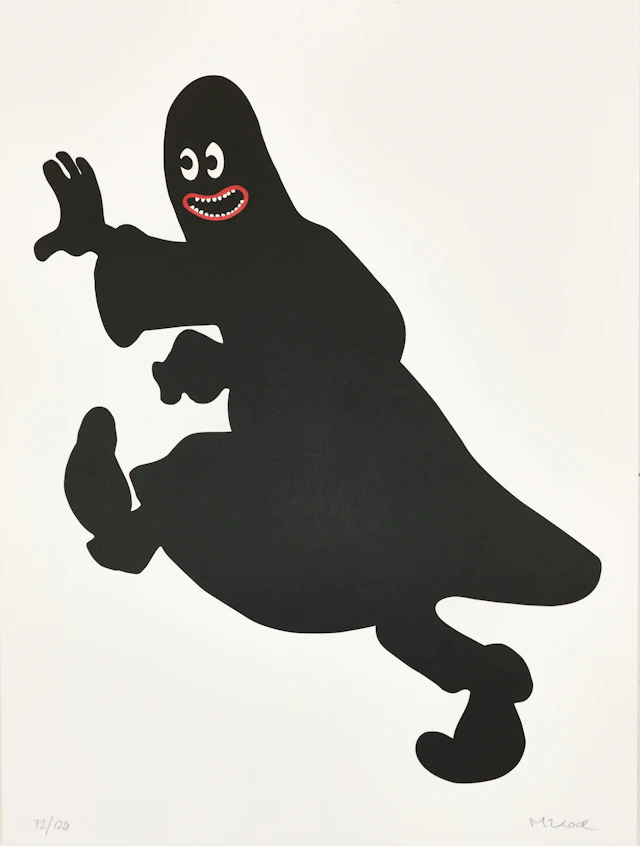
MAKODE LINDE (Sverige, född 1981). "Phantom Blot", signerad och numrerad
10/23/2026
€131.31
Schätzw.: €224.87
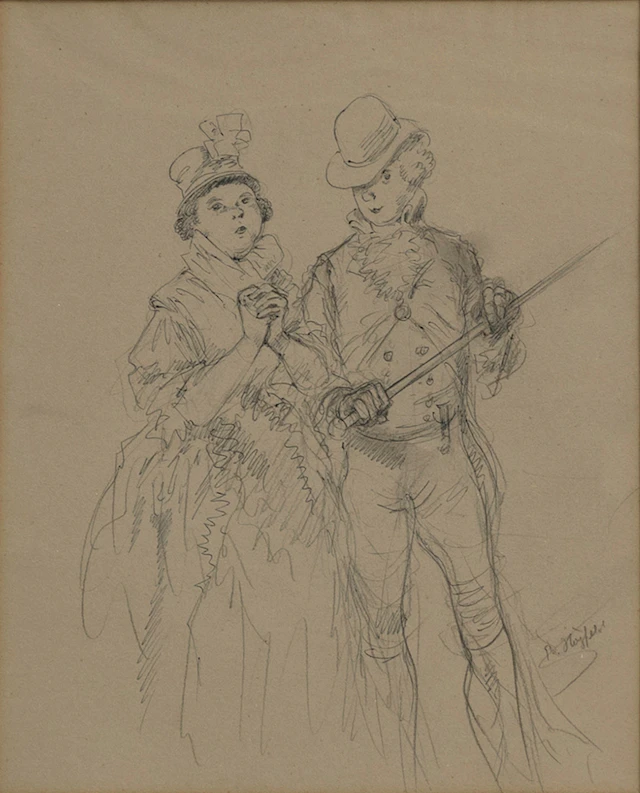
ROBERT HÖGFELDT. Komposition, blyertsteckning, signerad.
10/23/2026
€31.45
Schätzw.: €89.94
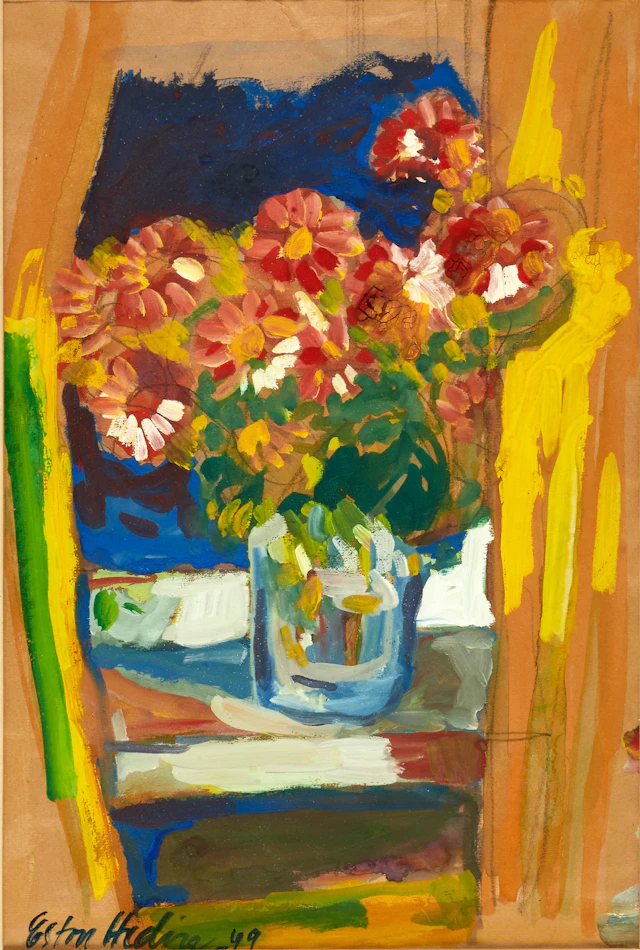
OIDENTIFIERAD KONSTNÄR. Blomsterstilleben, signerad och daterad -49, gouache.
10/23/2026
€26.96
Schätzw.: €71.82




Bringen Sie Ihre Auktion zu Sammlern weltweit!
Jetzt eintragen lassenMit der Anmeldung stimmen Sie der Datenschutzrichtlinie zu. Jederzeit abmelden.
Barnebys HQ
Brahegatan 10
BOX 5038
114 37 Stockholm
