




Alle Auktionen / Kunst und Drucke / Elisabeth Jerichau Baumann: Scene from the Roman Carnival. Signed

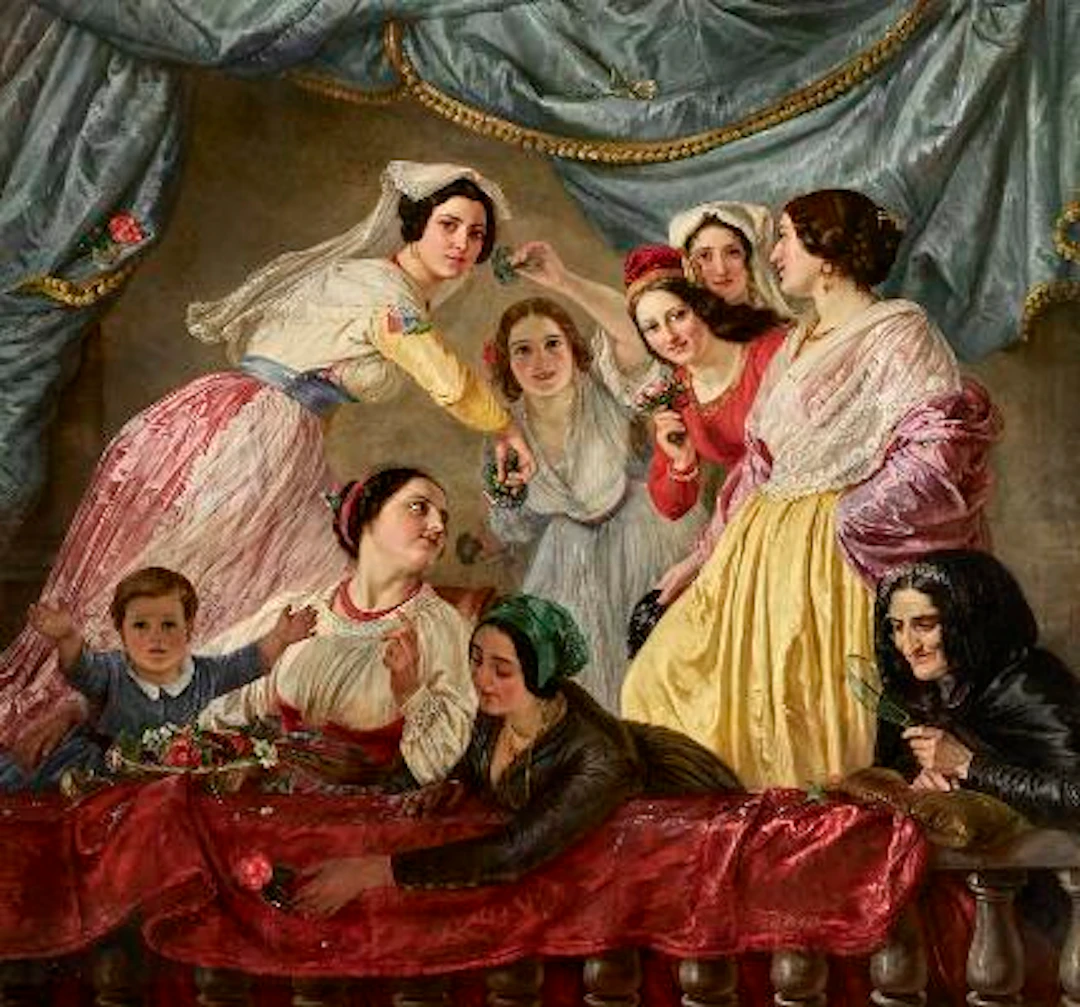
"Motiv fra det romerske karneval". Scene from the Roman Carnival. Signed and dated Elisabeth Jerichau Baumann 1852. Oil on canvas. 210 × 225 cm. In a contemporary giltwood frame. Exhibited: Charlottenborg, 1852, no. 135. Bridgewater Gallery, 1852 (Miskowiak, 2018, p. 254). Den nordiske Industri- og Kunstudstilling, 1872, no. 273. ARoS, ”Elisabeth Jerichau-Baumann. Mellem verdener”, 2021, no. 71, ill. p. 144-145. Literature: Jerzy Miskowiak: "Elisabeth Jerichau-Baumann. Nationalromantikkens enfant terrible", 2018, mentioned p. 254 and ill. p. 255. Provenance: Ole Bernt Suhr (1813–1875), Petersgaard, 1872. Sold at the estate auction of landowner Henrik Valdemar Nørgaard, Rye Nørskov Manor, May 1931, catalogue II, no. 2392, ill. Suhr’s daughter, Anna Dorothea Holmblad, née Suhr (1857–1928), married Henrik Valdemar Nørgaard (1861–1931) in her second marriage. Nørgaard acquired Rye Nørskov Manor in 1902. Following his death, the painting was sold at his estate auction in May 1931. The Roman Carnival was a popular festival that unfolded over several days in the run-up to Lent. The festivities took place primarily along the Via del Corso, where richly decorated carriages carrying costumed participants made their way through the city. The facades of the buildings were adorned for the occasion, while windows and balconies filled with spectators who showered the crowds below with confetti, sweets and flowers. The carnival was both a popular celebration and a social occasion, during which the conventions of everyday life were temporarily turned upside down. It also attracted foreign artists and travellers, who flocked to Rome throughout the nineteenth century. In this painting, Elisabeth Jerichau Baumann turns her attention to the balcony rather than the procession itself. Seven young women in elegant dresses of a dazzling variety of colours stand between blue and red curtains. They toss bouquets of flowers down towards the crowds – or perhaps towards admirers they have singled out. The throwing of flowers could be a playful and flirtatious social pastime, in which young men below attempted to catch the bouquets, thereby attracting the attention of the women on the balcony. The balcony thus served both as a vantage point for spectators and as a stage from which affluent families could participate in the festivities while maintaining a respectable distance. Jerichau Baumann renders the scene as a veritable firework display of colour and movement. Some of the women meet our gaze with a hint of coquetry, while one is poised to throw a bouquet towards us. Another lets a red rose fall to someone beyond the picture plane. On the left, a small child reaches out with outstretched arms, while on the right an older woman, dressed in black, observes the lively scene below. These two figures may perhaps be interpreted as an allegory of the different stages of life. With her sumptuous use of colour, assured composition and keen eye for human character, Jerichau Baumann unites the carnival’s exuberant joie de vivre with a vivid portrayal of beauty, flirtation and social standing. Glances, gestures and flowers become part of a social game played out between the women on the balcony, the crowds below and us, the viewers.
Schätzpreis:€267,602
Zur AuktionAlle Objekte ansehen vonBruun RasmussenoderKunst und Drucke
Schätzpreis:
€267,602
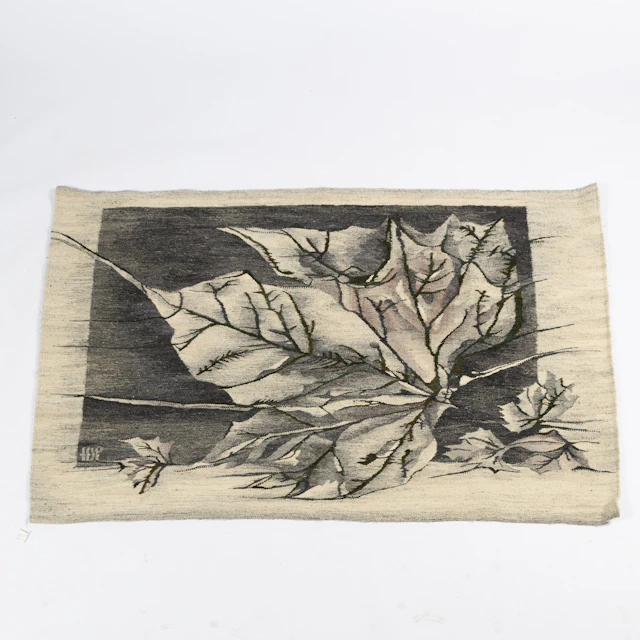
H SULKOWSKA. Väggbonad "Retro", signerad, Polen 1900-tal.
10/22/2026
€151.89
Schätzw.: €179.98
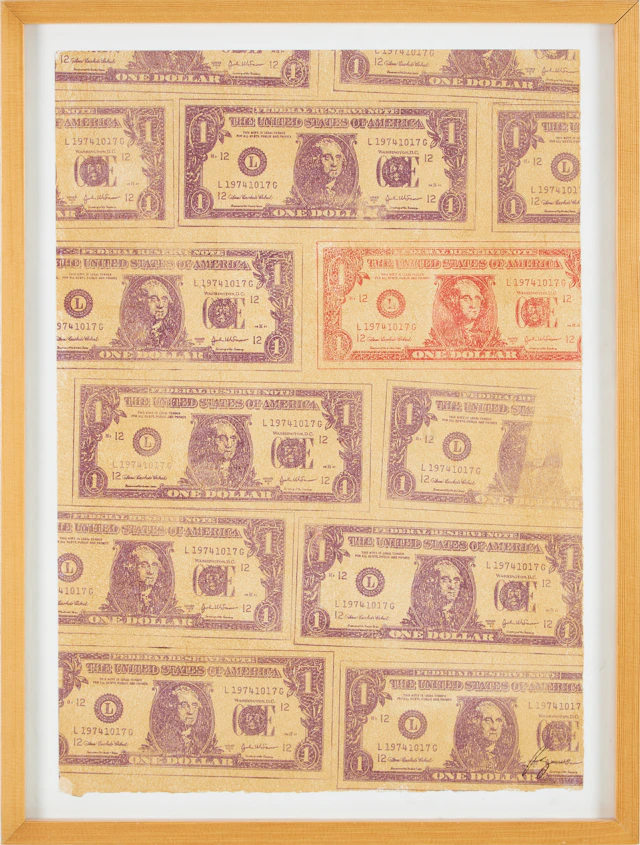
RICHARD RYAN (FÖDD 1974). dollarsedlar, monoprint, signerad.
10/22/2026
€35.95
Schätzw.: €89.99




Bringen Sie Ihre Auktion zu Sammlern weltweit!
Jetzt eintragen lassenMit der Anmeldung stimmen Sie der Datenschutzrichtlinie zu. Jederzeit abmelden.
Barnebys HQ
Brahegatan 10
BOX 5038
114 37 Stockholm
