




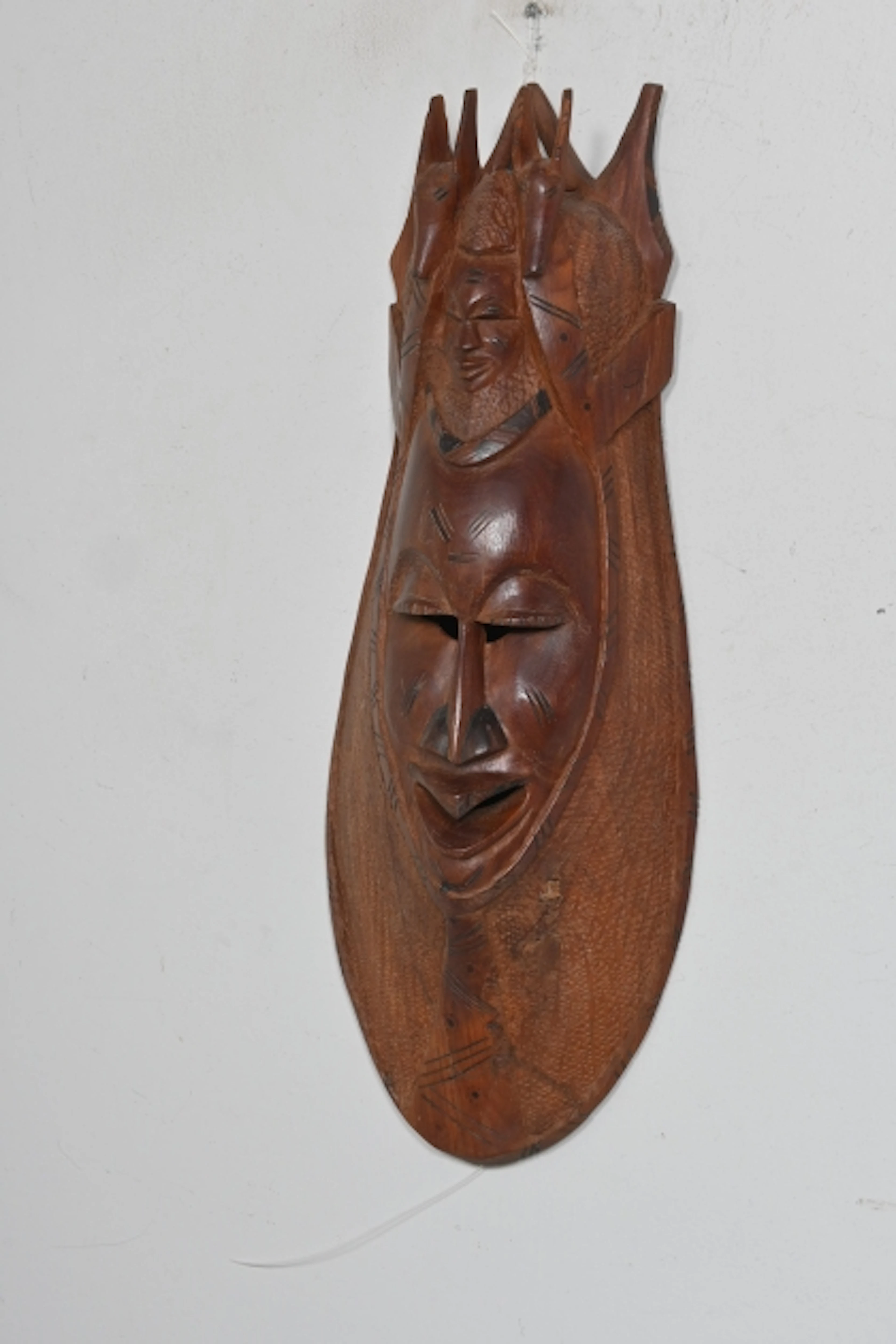
Alle Auktionen / Etnografica / Head Skull - Igbo - Nigeria (No reserve price)

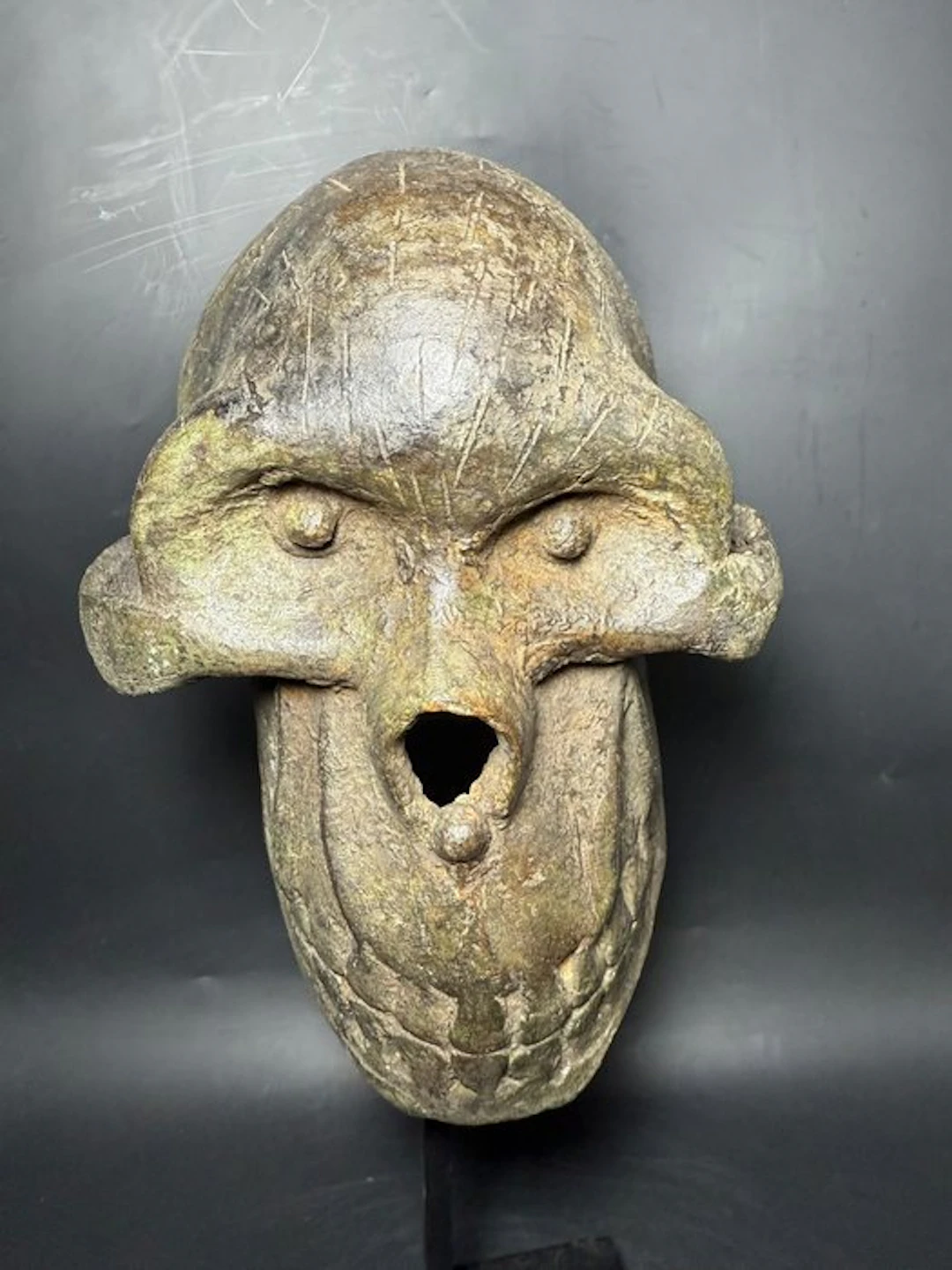
Bronze head of Nigeria. The Igbo, Jukun, Chamba and Mumuye are ethnically geographically close to one another. Also orbiting around these well-known and recognized ethnic groups are several small minority peoples who are geographically located in Taraba State, with Jalingo as capital. Before the arrival of European colonists, the Igbo were known to love working the land, with a propensity to extend their cultivable territories beyond the limits imposed on them. They eventually encroached on the lands of their neighbors, the Jukun, thus creating strong tensions. At first a happy conciliation was found: in exchange for a portion of their harvests the Jukun accepted the inconvenience caused. But as the years passed, the new Igbo generations decided to “forget” this arrangement. Their numerical overabundance allowed the spoliation of the Jukun to be generalized without further compensation. Clashes broke out... Another source claims that the fault lay with the Jukun, who one day refused to take their share of cereals and demanded the return of the lands before a season of abundant harvests. This was the start of a tribal war. Ultimately the Jukun managed to drive the Igbo from their lands. But the Igbo, who had buried their kin on Jukun soil, could no longer recover the remains. They tried to negotiate the right to honor their dead on Jukun land, but the latter no longer wished to see Igbo on their lands, not even for mortuary commemorations. Rumors insinuated that the Jukun profaned their parents’ graves. Desperate, the Igbo consulted the sages and the diviners. All gathered and, in a dream, received revelation and a solution. The spirits told them that their buried ancestors there were complaining about being abandoned among their enemies and that, deep in their tomb, they were angry with their descendants. Coincidentally, that year’s harvests were very poor due to an early drought, which was very unusual. So they took the signs seriously and braced themselves for the worst. The Igbo people again consulted the sages and the diviners for guidance on what to do to ease their parents’ anger. After another dream, the diviners ordered the entire Tiv people to make a coffin and a miniature skeleton for each person. It would be buried at home after performing the rites done for the dead, and a grand funeral ceremony was organized at the great market square of the time. That is how the idea of skeleton statues was born among the Tiv. As time passed, they began to sculpt skeletons that were increasingly larger. Each era roughly had its own size. Today the size has meaning and it indicates that the man was born (small skeleton), the man grew (medium size) and then the man lived (large size). The coffins degrade, but the statues end up being resold. Other objects serve as supports, such as a Caryatid-like seat, for the ancestral skulls. It is possible that this cult spilled over to the Ibo who also have artifacts stylistically close.
Schätzpreis:€69
Zur AuktionAlle Objekte ansehen vonCatawikioderEtnografica
Schätzpreis:
€69
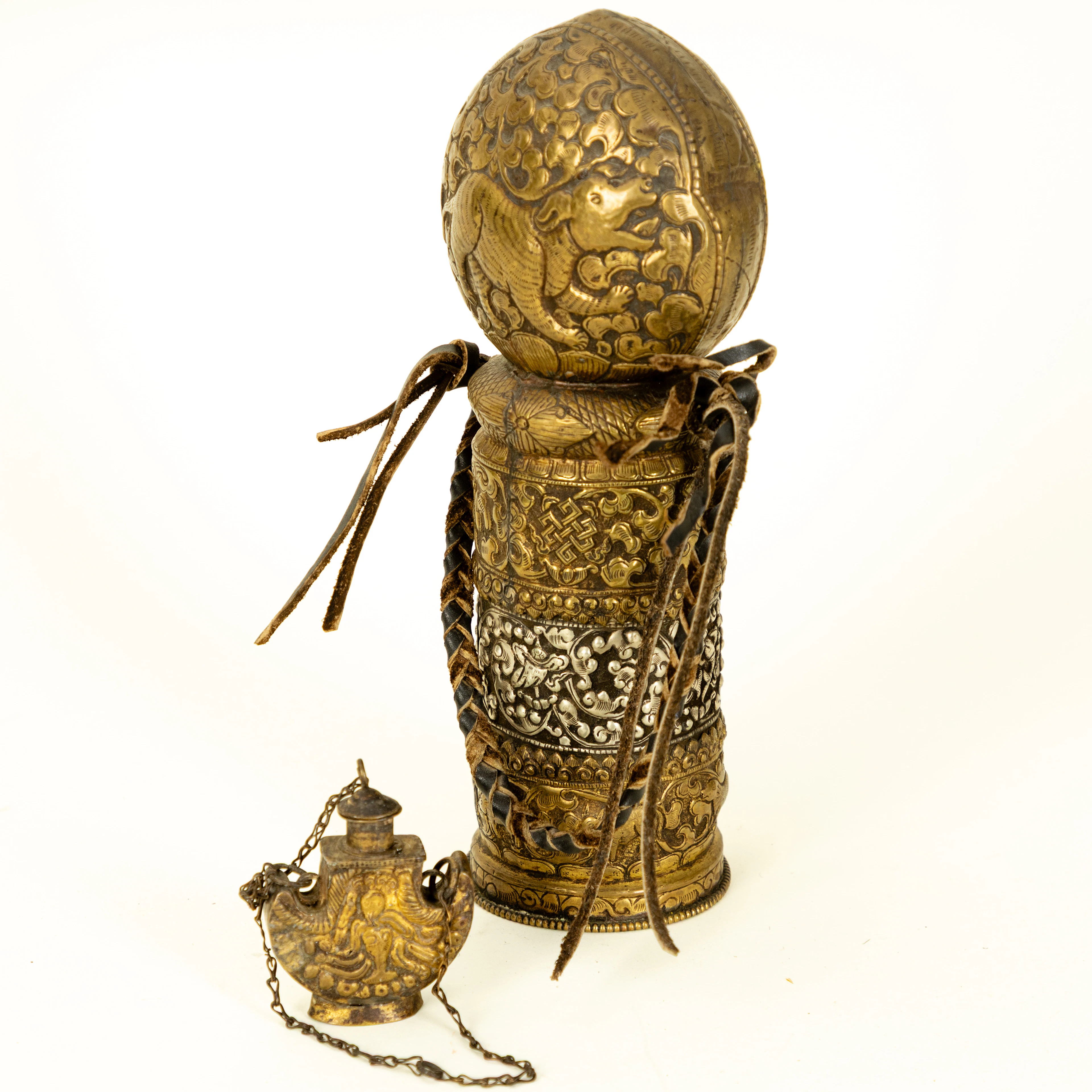
Shanka-Siegel und kleine Flasche, Himalaya-Region, frühes 20. Jh. (2).
10/16/2026
€50
Schätzw.: €100




Bringen Sie Ihre Auktion zu Sammlern weltweit!
Jetzt eintragen lassenMit der Anmeldung stimmen Sie der Datenschutzrichtlinie zu. Jederzeit abmelden.
Barnebys HQ
Brahegatan 10
BOX 5038
114 37 Stockholm
