


OCT 27 | 4:00 PM

Alle Auktionen / Kunst und Drucke / Horse-catching in the Puszta (Catching a horse with a lasso) Józef von Brandt

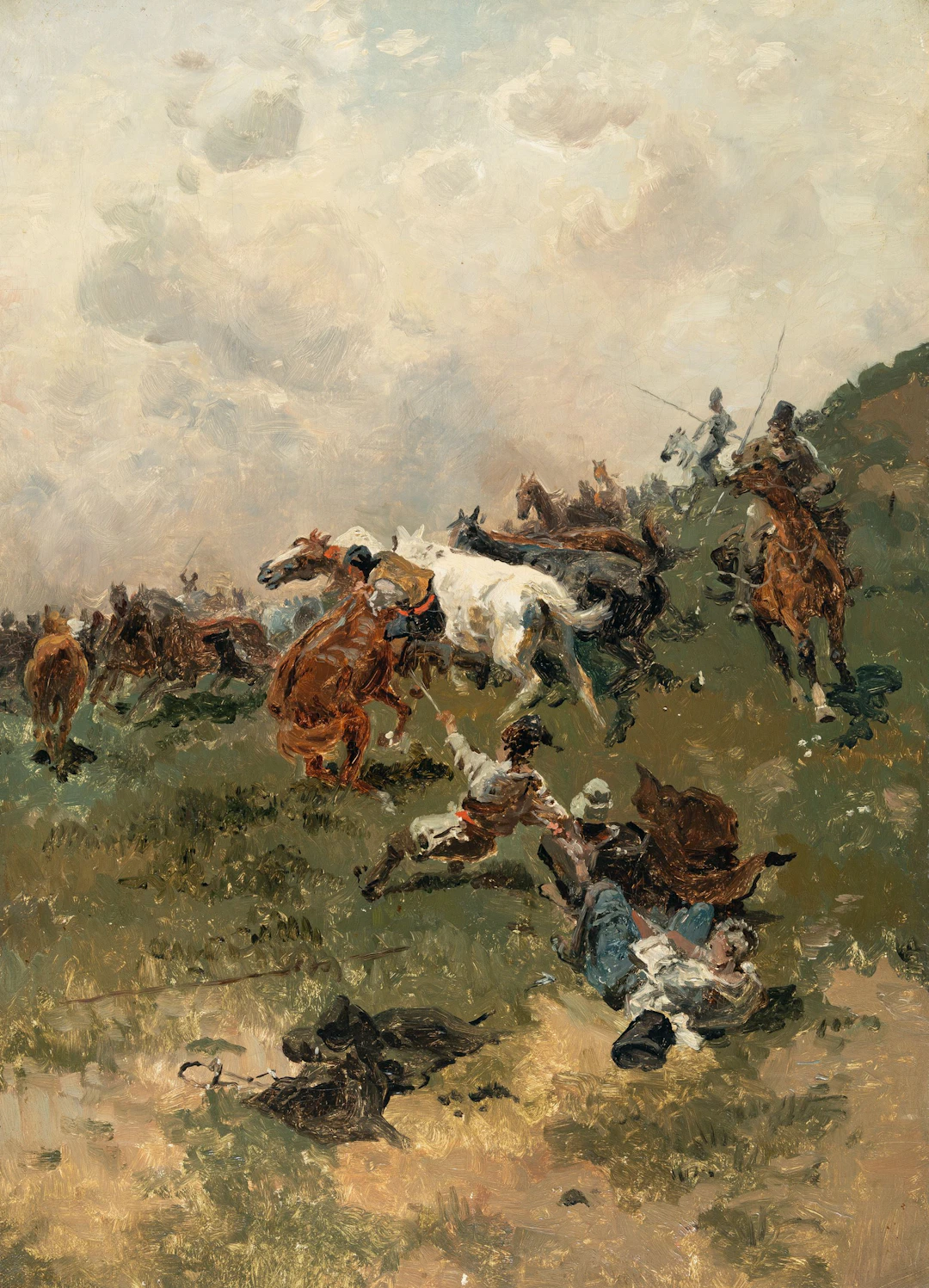
It is a scene straight out of an old Western film, in which cowboys attempt to catch and tame a wild horse with a lasso – a scene charged with drama, full of dynamism and movement, full of dust and noise; except that this is not a still from a Western, but a tale from Eastern Europe. Tatars – recognisable by their characteristic headgear, the kalpak – have rounded up a herd of wild horses and caught a rearing horse with a lasso. Three Tatars are holding the lasso and bracing themselves against the ground with all their might, whilst a fourth Tatar attempts to leap onto the panicked horse to subdue it. Mounted Tatars galloping down the hill on the right-hand side are trying to separate the horse from the herd. Condensed into a close-up, the painting conveys a dynamism in a way that almost overwhelms the viewer – the various, opposing movements of man and beast create a field of tension brimming with energy and intense concentration on a small hill, within which the viewer must first find their bearings. Everything vibrates, is full of urgency, and one feels as though one can literally hear the shouts and the clatter of the horses’ hooves. The composition, built on diagonals and foreshortening, and the unusual perspective – a view from below – reinforce this effect. And then there is the painting itself, which conveys the impression of this untamed energy and dynamism – applied swiftly, executed in a sketchy manner to the very limits of an almost pre-Impressionist dissolution of form, creating a shimmering tangle of shapes and colours whose vital expressiveness is almost unrivalled. The creator of this dramatic scene is the Polish painter Józef Brandt, one of the most significant representatives of the Munich School in the second half of the 19th century. In the early 1880s, Brandt had devoted himself to the unique interaction between humans and animals in several paintings – mostly in works depicting Cossacks or Tatars attempting to tame the impetuous power of wild horses. Our newly discovered, previously unknown work is the preparatory oil sketch for one of Brandt’s best-known paintings, which he created in 1881 and which is now housed in the National Gallery in Lviv (Lemberg) in western Ukraine (fig.). According to his diary, Brandt had been working on the painting since 1880, so it can be assumed that our oil sketch was produced in that year. In it, Brandt depicts the struggle between man and horse, the latter traditionally embodying freedom, vitality and the untamed power of nature. It is the existential struggle of humankind, which seeks to subdue these elemental forces through courage, skill and tenacity. Brandt was renowned for staging such scenes so effectively that today they appear like cinematic snapshots. He had come to Munich in 1863, studied under Carl Theodor von Piloty at the Academy, and taken private lessons from the horse painter Franz Adam and the Orientalist Theodor Horschelt. Brandt remained based in Munich until his death and devoted himself mainly to nostalgic themes from the 17th and 18th centuries, in which the freedom of the Cossacks and Tatars in the steppes of eastern Poland was glorified. Brandt had undertaken numerous journeys to these eastern steppe landscapes of the Kresy – now part of western Ukraine – which were regarded in Poland’s collective memory as places of freedom. At a time when Poland was partitioned between Russia, Austria and Prussia and did not exist as a state, these dramatic scenes of mounted combat embodied the ideal of independence and military prowess. The European revolutions of 1830 and 1848 had also swept through Poland; although they were subsequently crushed, they laid the foundations for a strong Polish national consciousness. For the public, such paintings therefore had a strongly patriotic element, in which the energetic depictions by Brandt and his colleagues of the glorious past and untamed nature served as a canvas for national identity and freedom. This was the artists’ contribution to the development of an identity-forming, national Polish school of painting, in which the return to the Polish noble republic that existed prior to the Partition of 1795 – whose territory had extended to the very borders of the Ottoman Empire – pointed towards the establishment of a Polish nation state. In 1880, when our painting was created, Brandt was the undisputed leader of the Polish colony in Munich, which had established itself there in the second half of the century, comprising intellectuals and artists. His studio, set up on the Schwanthalerhöhe in 1874–75, immediately became a public attraction, frequented in equal measure by collectors and artists – among them his pupils Alfred von Wierusz-Kowalski and Franz Roubaud, who achieved success with similarly nostalgic motifs drawn from Polish history. Shortly afterwards, the great masters of painting such as Lenbach, Kaulbach and Stuck followed Brandt’s example, with their studios becoming not only venues for their artistic output but also the focal points of lavish parties and social gatherings. As Brandt’s artistic success grew, so did his social reputation – in 1878 he was appointed honorary professor at the Munich Academy of Fine Arts and in 1898 was awarded the Bavarian Order of Maximilian for Science and Art. As early as 1877, he had married the well-to-do Helena von Woyciechowski Pruszak, owner of the Orońsko estate and a stately manor house in Russian-ruled Congress Poland, where he had since been holding a painting academy during the summer months together with other Polish painters from Munich. In 1889, the Munich photographer Carl Teufel photographed Brandt’s studio (fig.), which resembled a Turkish tent more than an artist’s workshop, crammed full of artefacts and props from Polish history: Brandt had amassed ‘a complete museum of antiquities complete with a saddlery’. ‘In addition to Polish saddles from a wide range of centuries, the collection includes very valuable Oriental saddles from the era of the Turkish Wars, armour, musical instruments of the Tatars and Turks, rifles and pistols from various periods, numerous Polish and Oriental weapons in general, as well as a large collection of costumes,’ according to a report from 1887. Brandt assembled this museum-like collection of historical artefacts during numerous journeys to eastern Poland, in which historical and ethnographic interests were intertwined; they formed the basis for his historically accurate depictions of a bygone era. Dr Peter Prange | 1841 Szczebrzeszyn/Polen – Radom/Polen 1915 | 19. Jahrhundert | Gemälde | Nummer: 26x2012 | Provenance: Aus dem Besitz von Carl Spitzweg, im Erbgang an den heutigen Eigentümer.
Schätzpreis:€55,000
Zur AuktionAlle Objekte ansehen vonKarl und FaberoderKunst und Drucke
Schätzpreis:
€55,000
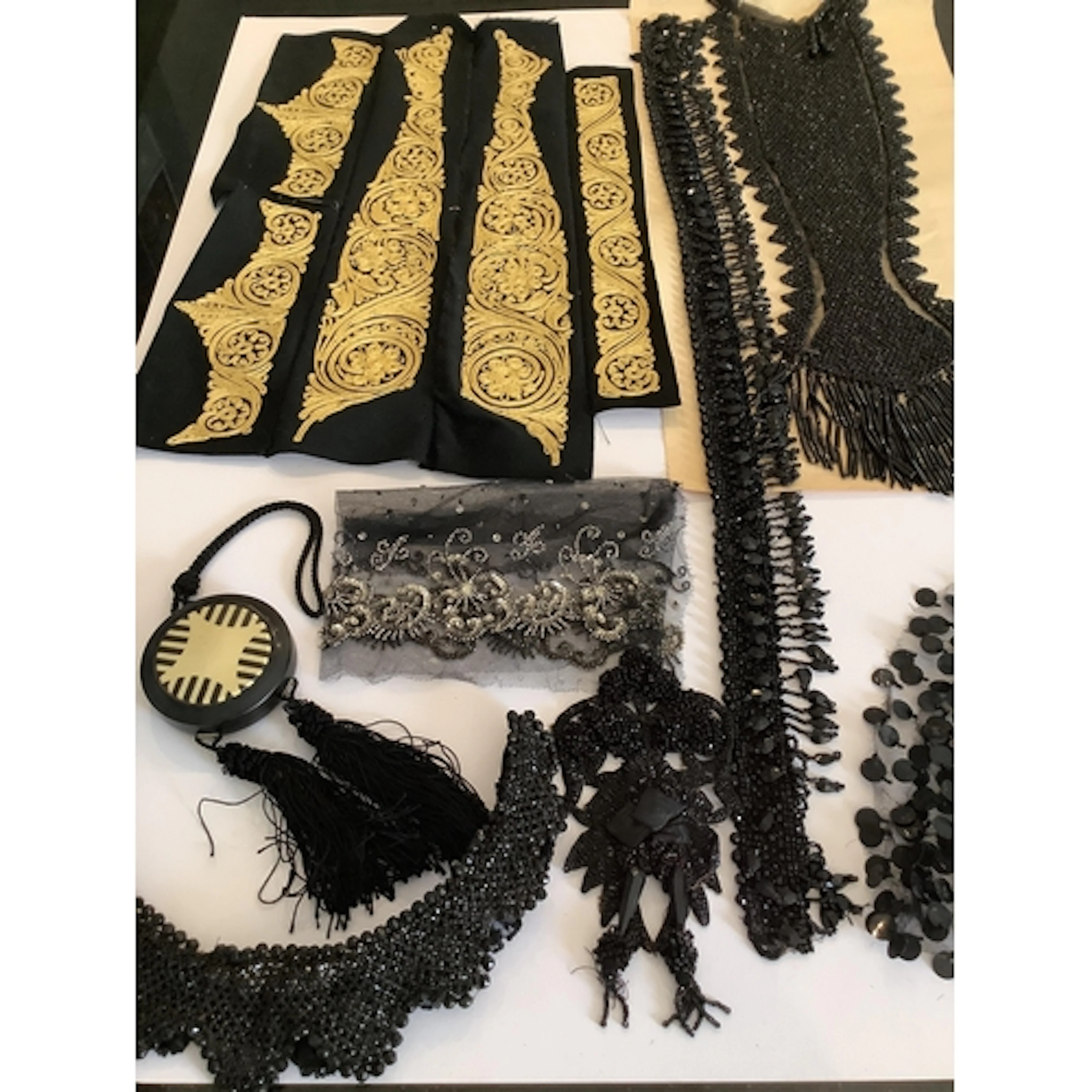
A collection of Victorian and 20th century Jet beading and s...
10/12/2026

€224.87
Schätzw.: €176.42
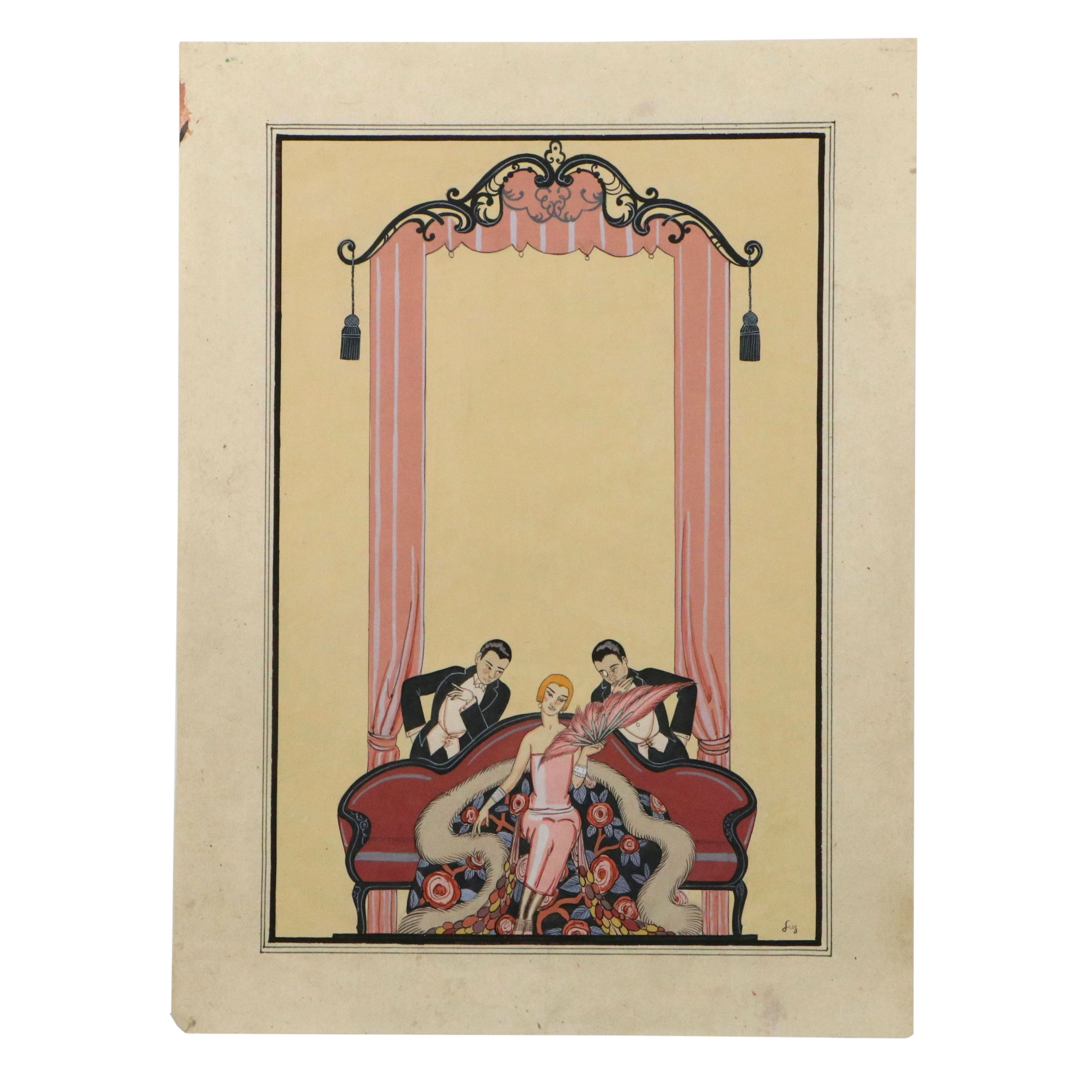
After Georges Barbier Art Deco Gouache Illustration of Lady with Suitors, 1920s
10/12/2026
€98.21
Schätzw.: €27.66
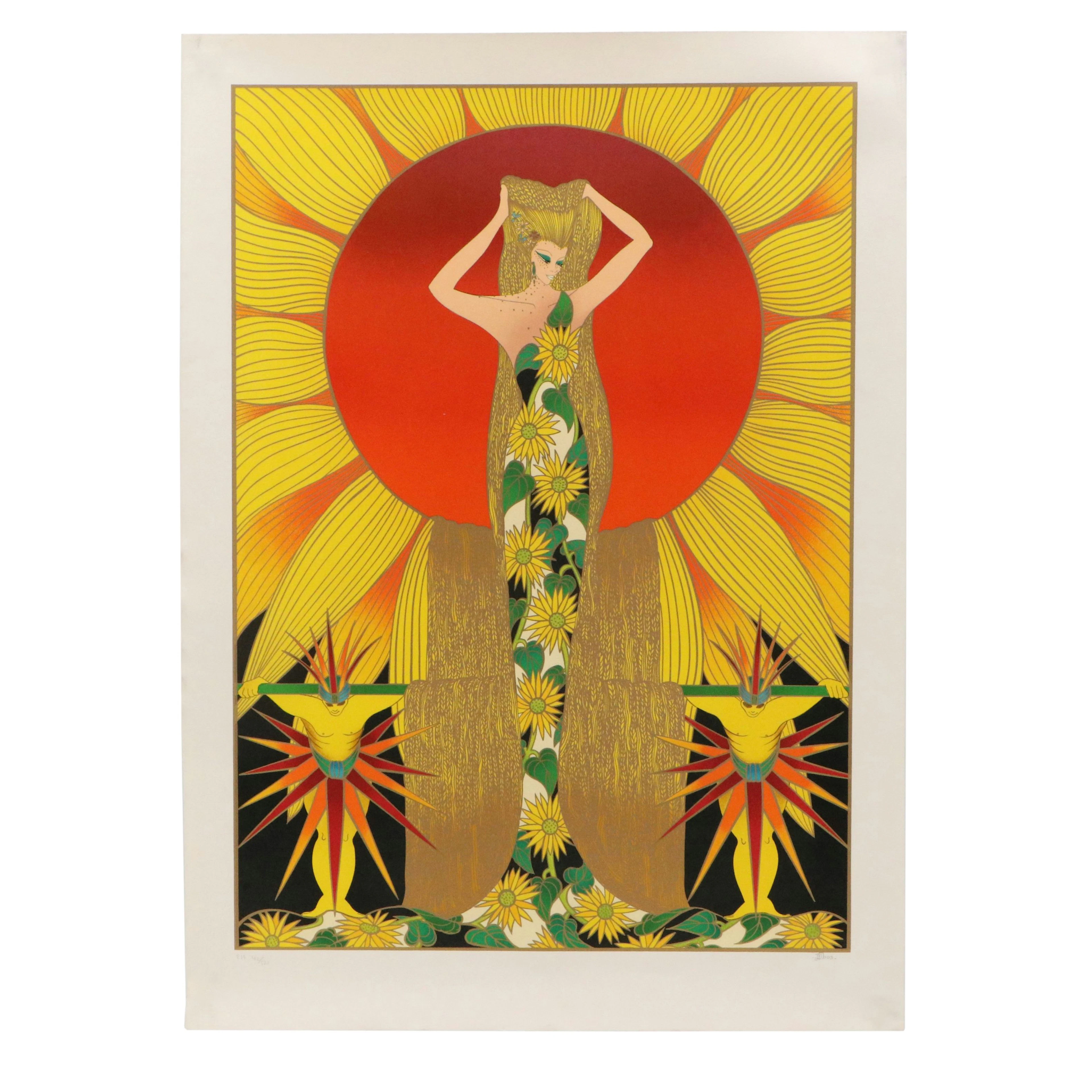
Jean-François Ibos Art Deco Revival Color Lithograph "Sunflower Lady," 1979
10/08/2026
€80.32
Schätzw.: €57.76
OCT 27 | 4:00 PM




Bringen Sie Ihre Auktion zu Sammlern weltweit!
Jetzt eintragen lassenMit der Anmeldung stimmen Sie der Datenschutzrichtlinie zu. Jederzeit abmelden.
Barnebys HQ
Brahegatan 10
BOX 5038
114 37 Stockholm
