


Alle Auktionen / Antike Kunst / 'Hyakunin Isshu zukō kokura no nishiki' 百人一首図考 小倉のにしき...

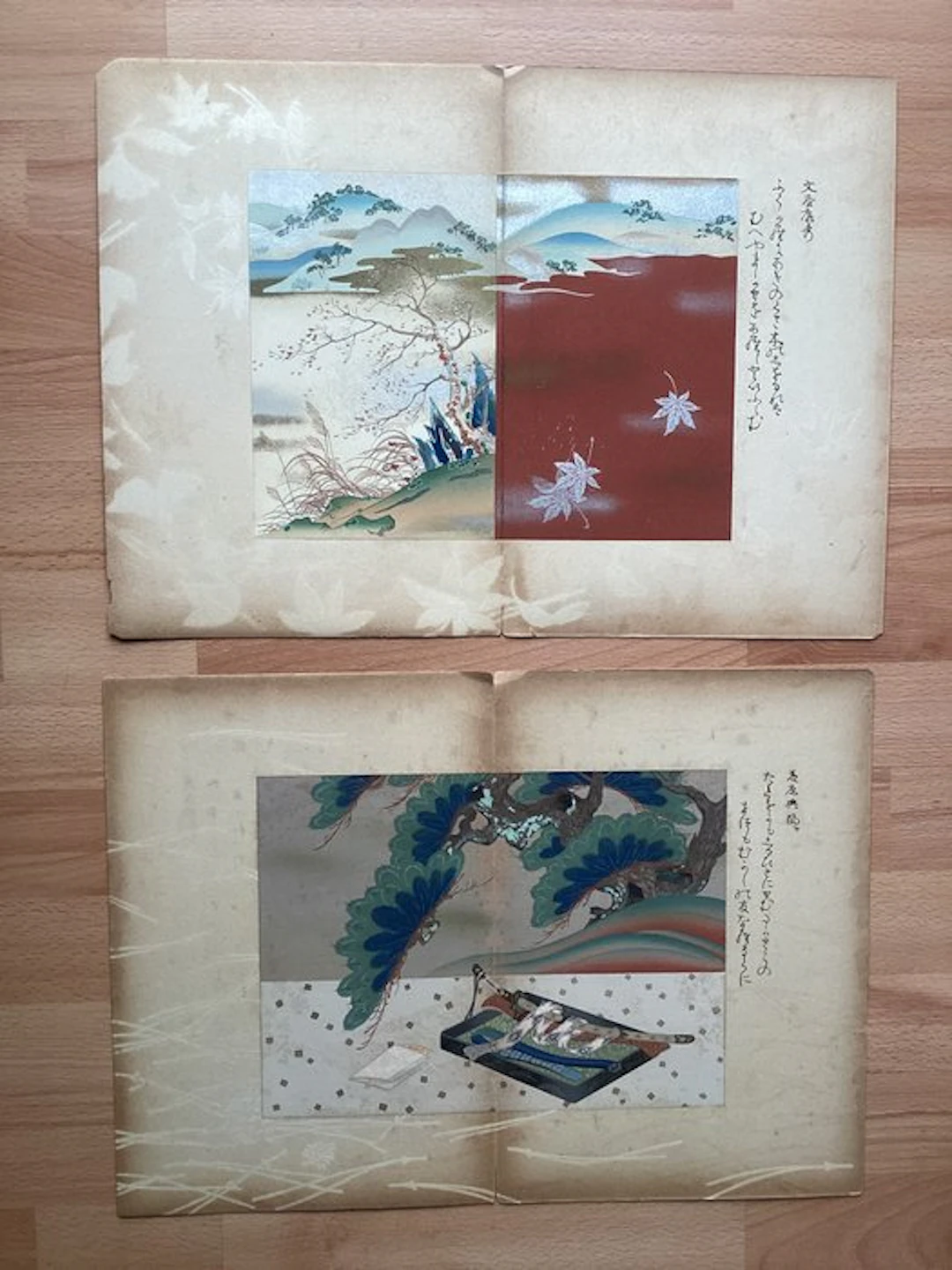
The first illustration is an original woodblock print from the illustrated book series *Hyakunin Isshu Zukō: Ogura no Nishiki* (百人一首図考 小倉のにしき), originally published in 1935 by the artist Iida Shikō. [1, 2] This artwork is deeply influenced by the decorative aesthetic of the Rimpa School. The design features a traditional autumn landscape framed against a striking two-colored background, cleanly divided down the middle. The left side depicts hills, water, and a stylized tree, while the right side is dominated by a dark reddish background featuring silhouetted maple leaves and a calligraphic inscription of a classic Japanese poem (*waka*). The classic poem calligraphed on the right side of the print is number 22 from the celebrated anthology *Ogura Hyakunin Isshu*. Its author is Funya no Yasuhide (文屋康秀), a prominent 9th-century court poet belonging to the select group known as the *Rokkasen* (the six best poets of the Heian period, as cited in the *Kokin Wakashū*). The poet's name, written as 文屋康秀 (Funya no Yasuhide), appears in the upper right corner. Original Japanese text • In modern characters (Kanji and Kana): 吹くからに 秋の草木の しをるれば むべ山風を 嵐といふらむ • Phonetic transcription (Reading): Fuku kara ni / aki no kusaki no / shiorureba / mube yamakaze wo / arashi to iu ramu • English translation: "As soon as it blows, autumn plants and trees wither; no wonder they call the mountain wind a storm." The "wordplay" hidden in the poem This poem is renowned in Japanese literature for its clever visual and linguistic play (a play on characters): 1. The visual riddle: The author remarks that the wind descending from the mountain is aptly named *arashi* (storm). 2. The combination: In Japanese writing, if you combine the character for "mountain" (山, *yama*) with the character for "wind" (風, *kaze*), you form the exact compound character for "storm" or "destructive wind": 嵐 (*arashi*). The illustration in the print by Iida Shikō—depicting trees bending to the left under a powerful, invisible wind while maple leaves scatter on the right—serves as a poetic and artistic representation of this autumn storm. The second image shows a traditional Japanese woodblock print (*mokuhanga*) titled *Hyakunin Isshu zukō ogura no nishiki*. It is a work by the artist Shikō Iida, published in 1935. The piece belongs to Volume 2 of a series dedicated to visually illustrating interpretations of the famous classical poetry anthology *Ogura Hyakunin Isshu* (One Hundred Poems by One Hundred Poets). The artistic style combines delicate line work and shading with rich decorative textures—such as the metallic flake patterns scattered across the ground—and the ornamental detailing of the sword-carrying box (*katanabako*) placed beneath the branches of an ancient pine tree. The text appearing on the right side of this print corresponds to poem number 26 from the famous classic anthology *Ogura Hyakunin Isshu* (小倉百人一首), composed by the courtier Teishin Kō (貞信公), also historically known as Fujiwara no Tadahira. Below are the transcription and meaning of the characters, which are calligraphed in the traditional cursive style (*kuzushiji*): 1. Transcription of the Original Text Read vertically from right to left, the text breaks down as follows: • Right-hand column (Author's name): 貞信公 (Teishin Kō) • Poem columns (Classical Japanese text): 小倉山の (Ogurayama no) みねのもみぢ葉 (mine no momijiba) 心あらば (kokoro araba) 今ひとたびの (ima hitatabi no) みゆき待たなむ (miyuki matanamu) 2. Translation into English Translated poetically while respecting the meaning of the original, the text reads as follows: Oh, magnificent autumn leaves upon the peaks of Mount Ogura; if you possess a heart, I pray you linger on the branches and await a second imperial visit. 3. Context and Interpretation of the Work The poem recounts a journey in the year 907 AD, when the retired Emperor Uda visited Mount Ogura and was captivated by the beauty of its autumn maple trees. Upon his return, he remarked to Fujiwara no Tadahira that he wished his son, the reigning Emperor Daigo, could witness such a spectacle. Tadahira composed this poem by personifying the maple leaves (*momiji*), asking them to "have a heart" and delay their winter fall so that the new sovereign might admire them. • Relationship to the illustration: True to the conceptual style of this portfolio by Shikō Iida, the print does not directly depict the red maple leaves from the poem; instead, it shows the paraphernalia of the imperial retinue waiting patiently beneath an evergreen pine. The travel gear and the sumptuous sword-carrying box (*katanabako*) symbolize the imminent arrival—or a pause—in the monarch’s procession through the idyllic Japanese landscape. Both illustrations are enhanced with metallic inks (gold and silver). Works with some foxing (see the photos). Second-hand. Please refer to the provided photographs for a better understanding of the item´s condition. Provenance: The seller can certify that the lot was legally purchased Shipping method: registered mail, securely packaged. All items are shipped 12/24 hours after payment is made. Import duties, taxes and charges are not included in the item price or shipping charges. These charges are the buyer´s responsibility. Please check with your country´s customs office to determine what these additional costs will be before bidding.
Schätzpreis:€1
Zur AuktionAlle Objekte ansehen vonCatawikioderAntike Kunst
Schätzpreis:
€1
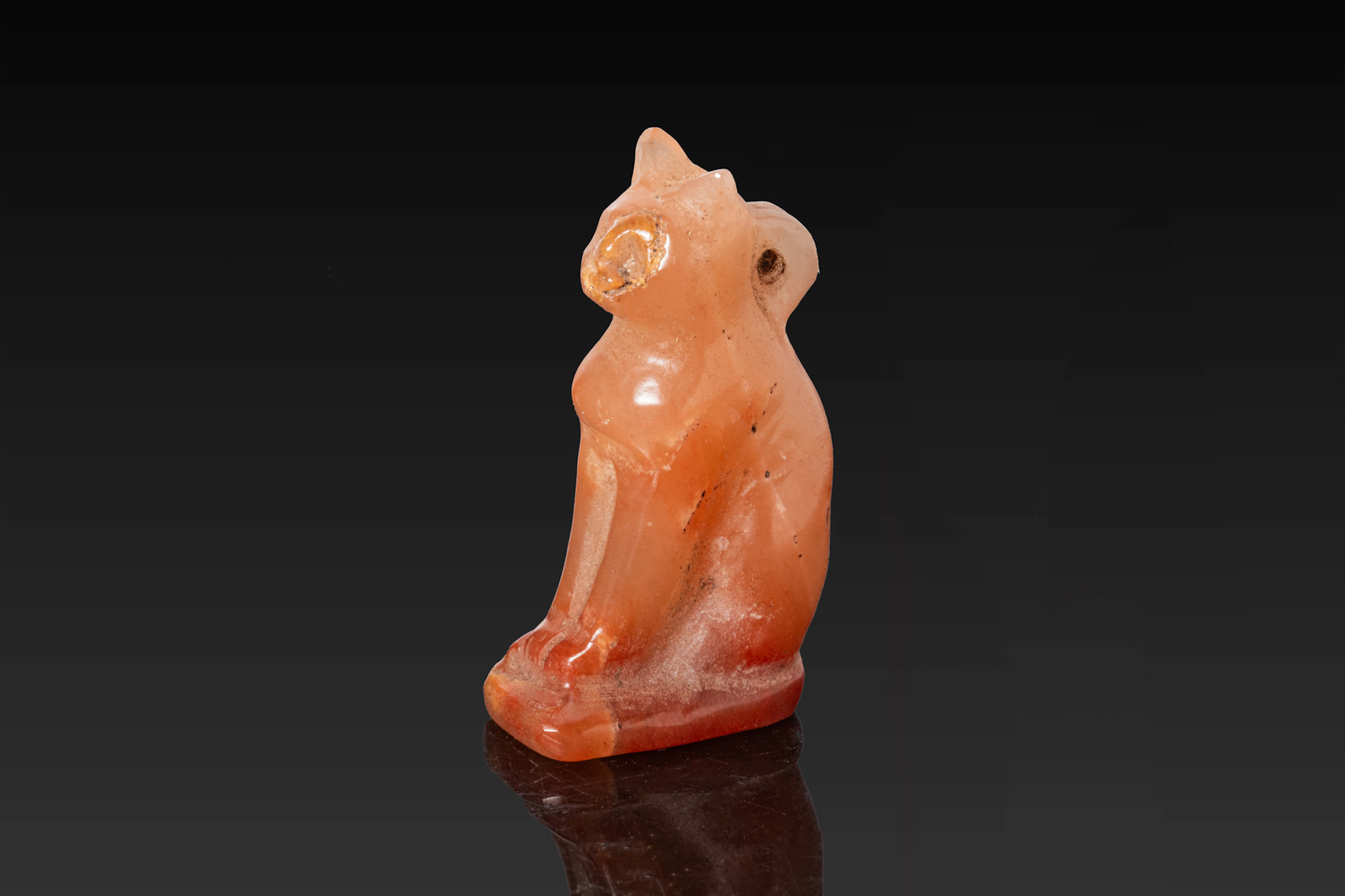
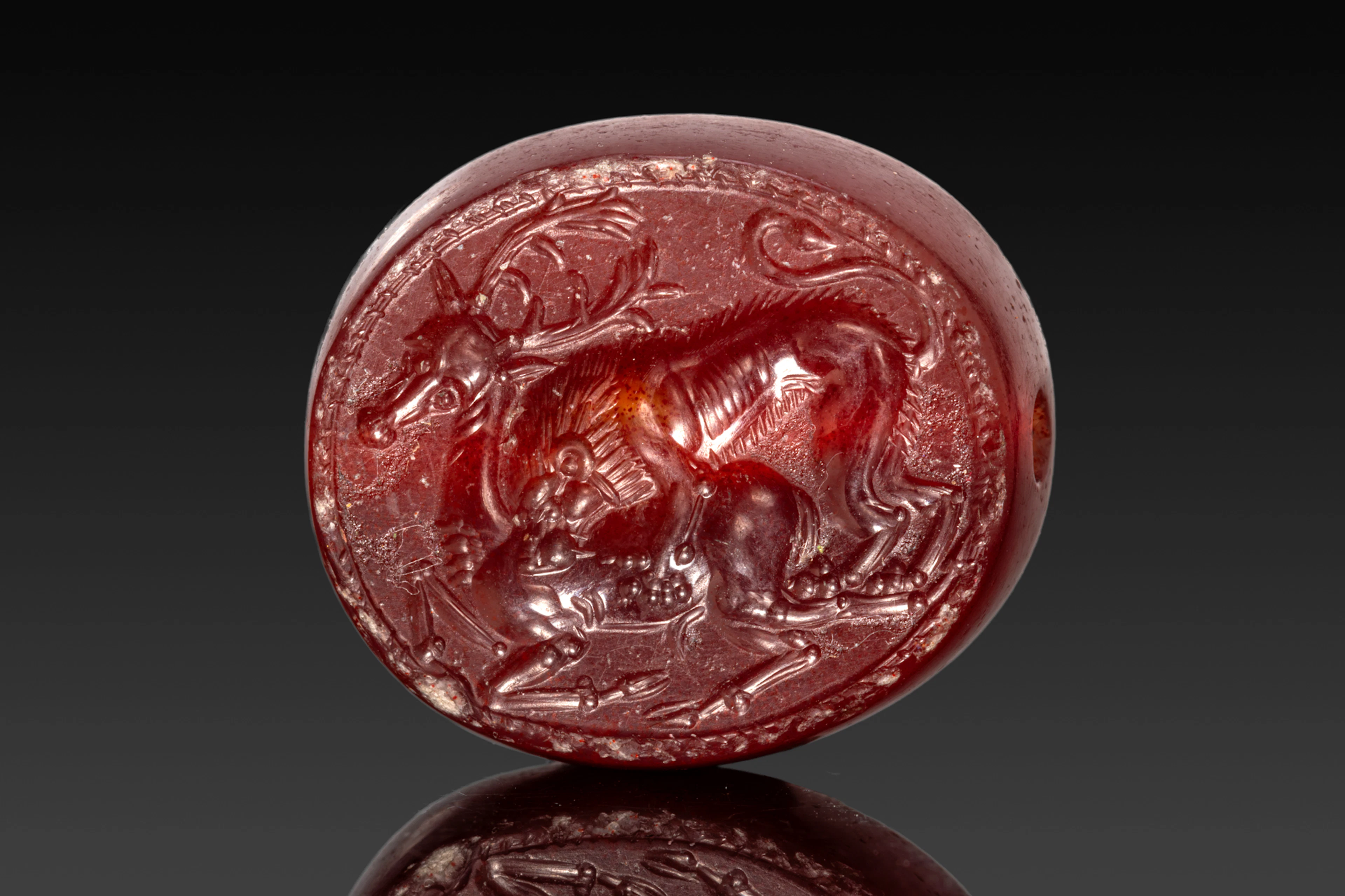
ETRUSCAN CARNELIAN STAMP SEAL WITH A LION ATTACKING A STAG
06/21/2026

€5,796.91
Schätzw.: €5,773.91
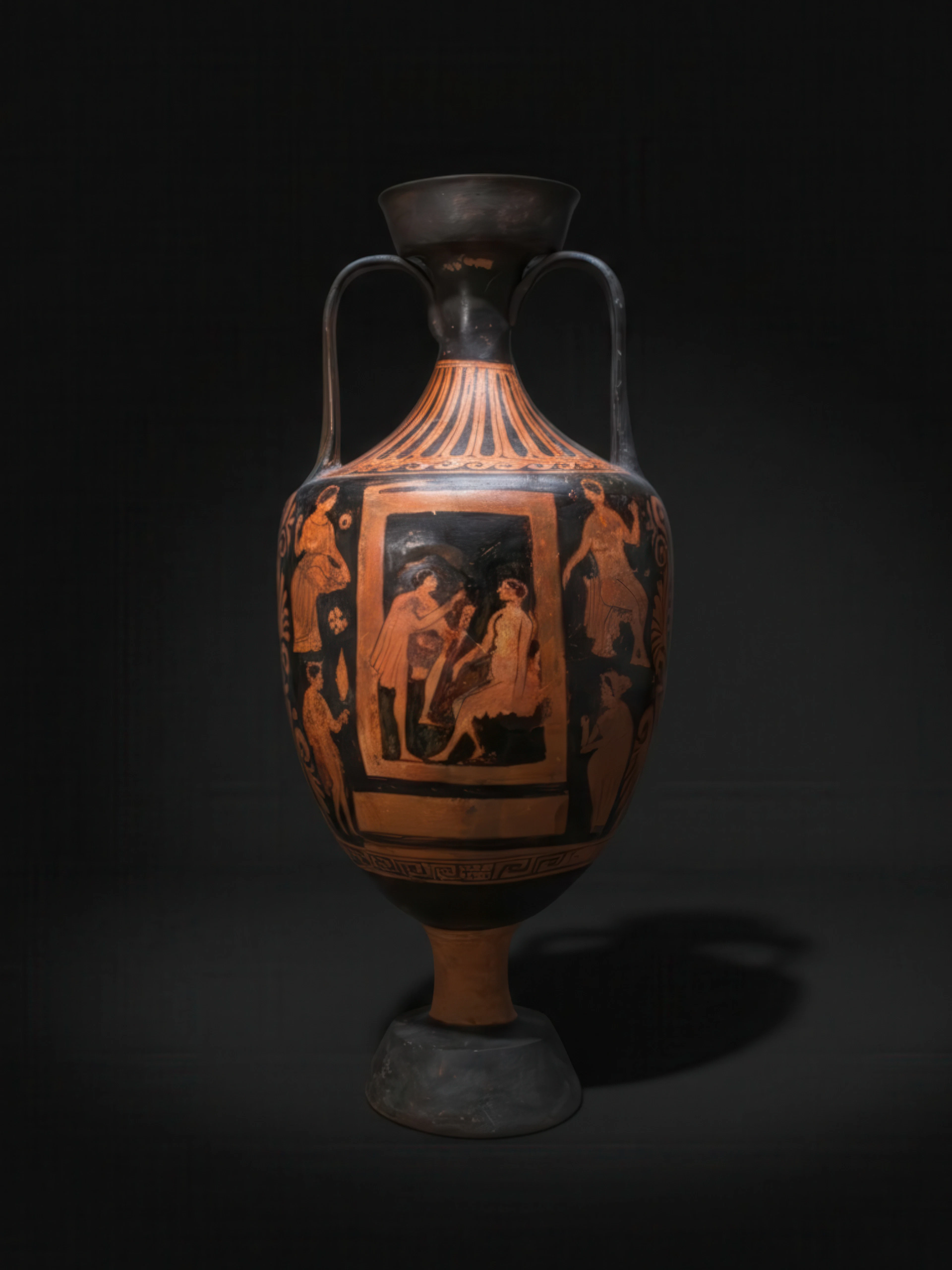
LARGE APULIAN RED-FIGURE AMPHORA WITH NAISKOS SCENE AND ALTAR
06/21/2026
€6,376.6
Schätzw.: €5,773.91





Bringen Sie Ihre Auktion zu Sammlern weltweit!
Jetzt eintragen lassenMit der Anmeldung stimmen Sie der Datenschutzrichtlinie zu. Jederzeit abmelden.
Barnebys HQ
Brahegatan 10
BOX 5038
114 37 Stockholm
