


Alle Auktionen / Zeitgenössische Kunst / Inma Nicolau (1948) - Frente a la masía

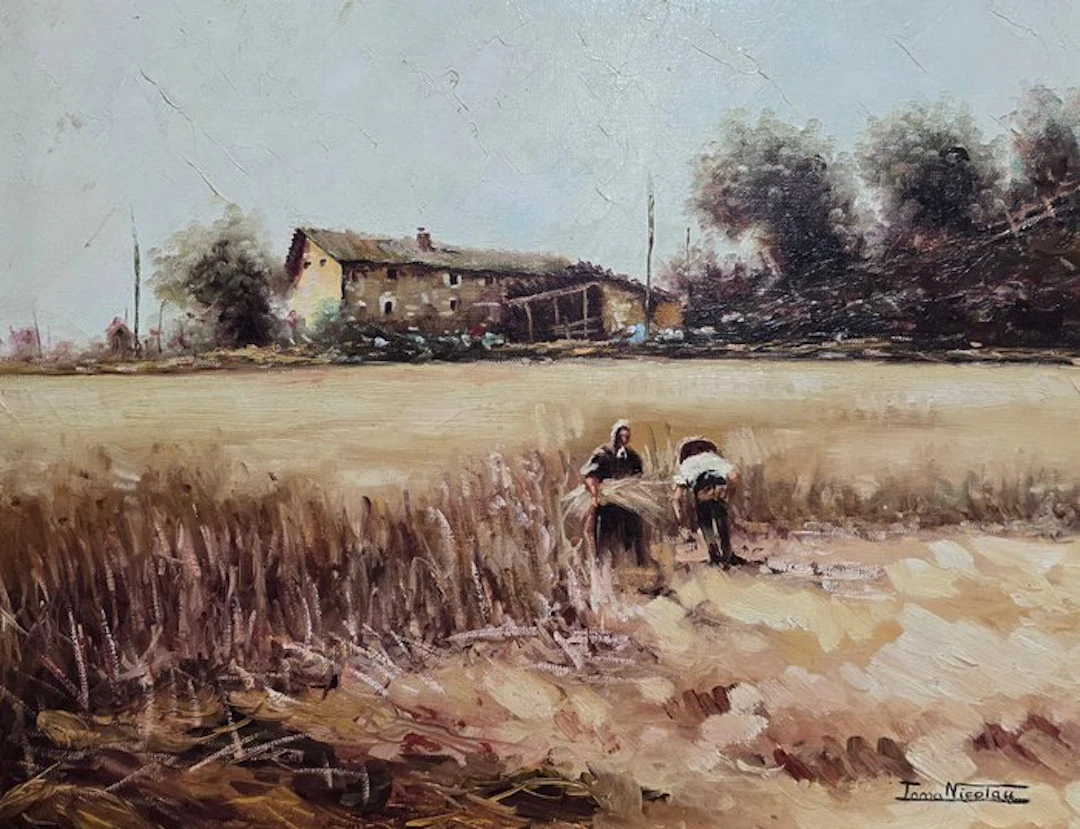
Pictura Galeria presents this magnificent artwork by Inma Nicolau, depicting two peasants harvesting in front of an old country house, as a symbol of effort, cooperation, tradition, and a strong bond with the land. The painting stands out for its excellent technique and the high pictorial quality it conveys. · Frame dimensions: 68x77x7 cm. · Artwork dimensions: 40x50 cm. · Oil on canvas hand-signed by the artist in the lower right corner, Inma Nicolau. · The piece is in good condition. · The work is sold with a beautiful frame (included in the auction as a gift). The work comes from an exclusive private collection in Girona. Important note: the included photographs are an integral part of the lot description. Digital representation in an indicative mockup; there may be differences from the actual item in color, scale, and details. The artwork will be professionally packaged by an IVEX expert (https://www.instagram.com/ivex.online/), using high-quality materials to ensure its protection. The shipping price covers both the cost of professional packaging and the transport itself. Shipping will be via Correos or GLS with tracking. International shipping available. This painting presents a serene rural-work scene in which two figures perform the mowing in a wide field facing an old country house. The composition conveys the calm of an agricultural day and, at the same time, the physical effort required to harvest the grain by hand. The landscape extends beneath a clear and quiet sky, while the dark vegetation in the background envelops the building and delineates the cultivated land. The simplicity of the scene turns a commonplace moment into a deeply evocative image of rural life, the passage of the seasons, and the close relationship between people and the land. The field occupies most of the composition and unfolds from the foreground to reach the background structures. The surface is dominated by ochres, beiges, creams, browns, and golds, typical of a crop that has reached maturity. Some areas still preserve the standing spikes, while others show the ground already cleared after the harvest. This alternation helps to understand the progress of the work and clearly differentiates what is yet to be gathered from what has already been cut. In the left foreground, a dense mass of dark grain concentrates, formed by numerous vertical stalks and inclined ears. This area conveys density and abundance, as the plants seem to grow very close together and fill the ground completely. The browns, reddish tones, violets, and ochres add depth, while some lighter reflections help distinguish the tips of the ears. Its proximity makes the viewer feel almost inside the field, observing the labor from very close. In contrast with the grain still standing, the right side of the foreground appears lighter and more open. Here the ground after tilling extends, covered with straw remnants, small sheaves, and irregular furrows. Whites, creams, and pinkish tones mix with dark browns, creating a surface full of variation. This difference between the two zones visually explains the harvesting process and adds a narrative dimension to the scene. The two figures appear centered to the right, slightly away from the viewer, but sufficiently defined to understand their actions. One stands upright holding a large sheaf of grain in his arms. His straight posture, though slightly inclined by the weight, conveys effort and steadiness. The figure seems to pause for a moment, perhaps to gather the ears or prepare to move them elsewhere. The dark clothing of this first person contrasts with the light tones of the field. The head is covered by a white element that could be a scarf, a cap, or sun protection. This detail adds brightness and allows the figure to be distinguished despite its small size. The large sheaf he holds opens horizontally at waist height and visually connects his body with the still-erect cereal. Next to him, the second figure is completely bent toward the ground. His curved back and the position of his arms suggest he is cutting, gathering, or bunching the stems. The posture clearly expresses the physical hardness of the work and the repetitive nature of the task. The light-colored clothing on the upper part contrasts with the dark trousers, allowing the body’s movement on the ground to be recognized. The proximity of both people suggests collaboration and coordination. While one gathers and holds the grain, the other continues working at ground level. They do not seem to need explicit communication, as their movements are part of a familiar routine repeated across many days. This silent relationship conveys shared experience and recalls that traditional agricultural tasks required cooperation, patience, and deep knowledge of the rhythms of the field. At the figures’ feet you can see small piles and fragments of already cut grain. These accumulations show the immediate result of their effort and allow imagining how the harvest will progress throughout the day. Some sheaves appear more compact, while others remain scattered across the ground. The irregularity of the terrain makes the scene natural and vivid, away from any artificial order. Beyond the figures extends a wide horizontal band of untouched cultivation. Its light golden color forms a quiet surface visually separating the workers from the house in the background. This area lends depth and reinforces the breadth of the landscape. The uniformity of its tones contrasts with the richness of the foreground details, making the distance appear softer and brighter. The large rural structure in the distance constitutes the second focal point of the painting. Its elongated body extends horizontally and shows walls in brown, ocher, and yellowish tones. The dark roof, slightly inclined, seems marked by the passage of time. Small windows and openings distributed along the facade suggest different interior spaces and bring life to a simple and functional architecture. At the far left of the house, a triangular facade illuminated stands out for its yellowish tone. This area receives more light than the rest of the building and acts as a small luminous point within the background. The shadows under the roof and around the windows add depth, while color changes on the walls suggest aging, dampness, and repairs accumulated over the years. Attached to the central or right part of the dwelling is a rustic open structure. Its vertical posts and slanted roof could correspond to a shed, a barn, or a space for storing tools and harvests. Its dark interior contrasts with the clarity of the field and arouses curiosity about what might be inside. This outbuilding reinforces the agricultural character of the construction and connects directly with the workers’ labor. Around the house grows abundant vegetation formed by shrubs, small trees, and plants in greens, blues, reddish tones, and dark hues. These forms soften the building’s boundaries and make the structure seem integrated into the surroundings. Some light areas could correspond to flowers, tools, or everyday objects placed beside the dwelling. The presence of these details allows imagining a lived and active place, even if no more people appear. On the right side of the background rises a dense mass of trees and dark branches. Its deep, somber appearance creates a strong contrast with the clear sky and the illuminated field. Browns, blacks, violets, and muted greens blend to form a vegetal barrier that seems to protect the house and close the landscape. This area adds visual weight and balances the vast open expanse on the left. The trees have irregular shapes and seem to extend their branches in various directions. Some canopies rise above the roof, while others merge with brush and ground shadows. This vegetation introduces a sense of mystery and depth, as if behind it a forest or a hidden path begins. It also contributes to a slightly melancholic atmosphere, linked to memories of a traditional way of life. At the far left, near the horizon, a small isolated figure or structure is discernible, accompanied by very slender vertical elements. It could be a distant person, a small shed, or an object related to field activity. Its small size increases the sense of distance and expands the represented space. Posts distributed across the landscape introduce gentle vertical lines that interrupt the dominant horizontality. The sky occupies nearly half the upper composition and is covered by a soft, even clarity. Whites, pale grays, and very light blue tones predominate, with no clearly defined clouds. This diffuse atmosphere envelopes the landscape and suggests a cool morning, a slightly overcast day, or late-summer light. The absence of direct sun softens shadows and gives the scene a calm, contemplative character. The breadth of the sky reinforces the smallness of human figures against the surroundings. The workers are linked to vast land and to a natural cycle that goes beyond their own scale. However, their presence is essential, for they are the ones who transform the landscape through their effort. This relationship between physical smallness and symbolic importance adds emotional depth to the work. The composition is organized into large horizontal bands. The mown field and the foreground cereal form the base; the golden field occupies the middle zone; the house and trees build the horizon; finally, the sky opens the top. This structure creates balance and leads the eye naturally from nearby ears of corn to the distance. The figures, placed slightly off-center, break the regularity and add movement. The color palette conveys a sense of sobriety and authenticity. The ochres and browns speak of the earth and dry grain; the light tones provide luminosity; the greens and violets in the background introduce freshness and depth. There are no overly bright colors, reinforcing the quiet atmosphere of the day. Everything seems enveloped in a soft light that unites the different elements without erasing their contrasts. The scene invites imagining the sound of the ears being cut, the brushing of the sheaves as they come together, and the workers’ steps on the dry earth. It also allows thinking about accumulated fatigue, the heat of the day, and the necessary pauses to continue. Although the image remains motionless, the figures’ postures suggest ongoing activity that will continue until the field is complete. The painting does not show an extraordinary moment, but a daily labor that has sustained human life for centuries. Precisely that simplicity gives dignity to the scene. The figures are not idealized nor heroic, but their effort gains deep value by representing perseverance, cooperation, and the work required to obtain food. The harvest thus becomes a symbol of reward and continuity. The masía (country house) in the background can be interpreted as a representation of home and permanence. Faced with the annual cycle of crops, the house stays in place, watching the seasons pass and welcoming those who work the land. Its aged walls seem to hold the memory of many previous harvests. This relationship between architecture and landscape introduces a temporal dimension that enriches the work. The simultaneous presence of uncut grain, already harvested ground, and the sheaves gathered by the figures is also significant. These three states summarize the harvest process within a single image. The field shows the before, during, and after of the work, turning the scene into a complete narrative about the transformation of nature through human labor. Overall, this painting offers a serene and deeply human representation of two peasants working during the harvest in front of an old rural house. The ripe cereal, the gathered sheaves, the workers’ strained postures, and the partly harvested ground narrate the patient progress of a day’s work. The masía and the trees in the background convey a sense of home, tradition, and continuity, while the clear sky wraps the whole scene in a quiet atmosphere. The work celebrates the dignity of agricultural labor, cooperation, and the ancestral bond between human beings, the land, and the seasonal cycle.
Schätzpreis:€250
Zur AuktionAlle Objekte ansehen vonCatawikioderZeitgenössische Kunst
Schätzpreis:
€250

1996 Australia 1/10 oz Gold Lunar Rat (Series I)
12/06/2017
€399
Schätzw.: €495.6
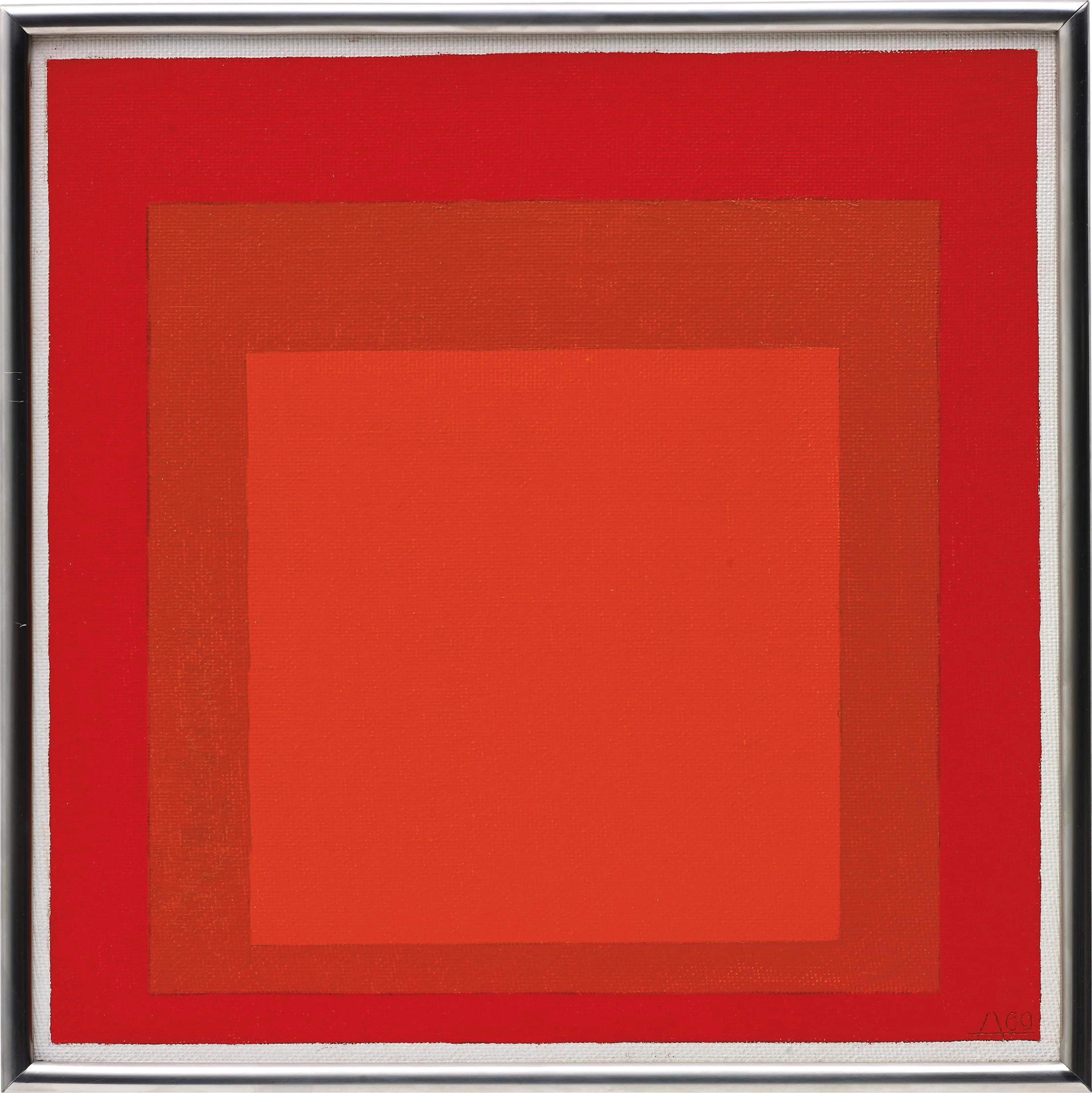
Study for Homage to the Square: Wet and Dry – Josef Albers
03/08/2017

€497,250
Schätzw.: €175,500




Bringen Sie Ihre Auktion zu Sammlern weltweit!
Jetzt eintragen lassenMit der Anmeldung stimmen Sie der Datenschutzrichtlinie zu. Jederzeit abmelden.
Barnebys HQ
Brahegatan 10
BOX 5038
114 37 Stockholm
