

OCT 8 | 3:00 PM

Bringen Sie Ihre Auktion zu Sammlern weltweit!
Jetzt eintragen lassenMit der Anmeldung stimmen Sie der Datenschutzrichtlinie zu. Jederzeit abmelden.
Barnebys HQ
Brahegatan 10
BOX 5038
114 37 Stockholm
Alle Auktionen / Asiatische Kunst / Ming / Qing Lohan Statue, Glass Eyes, Shunya Mudra

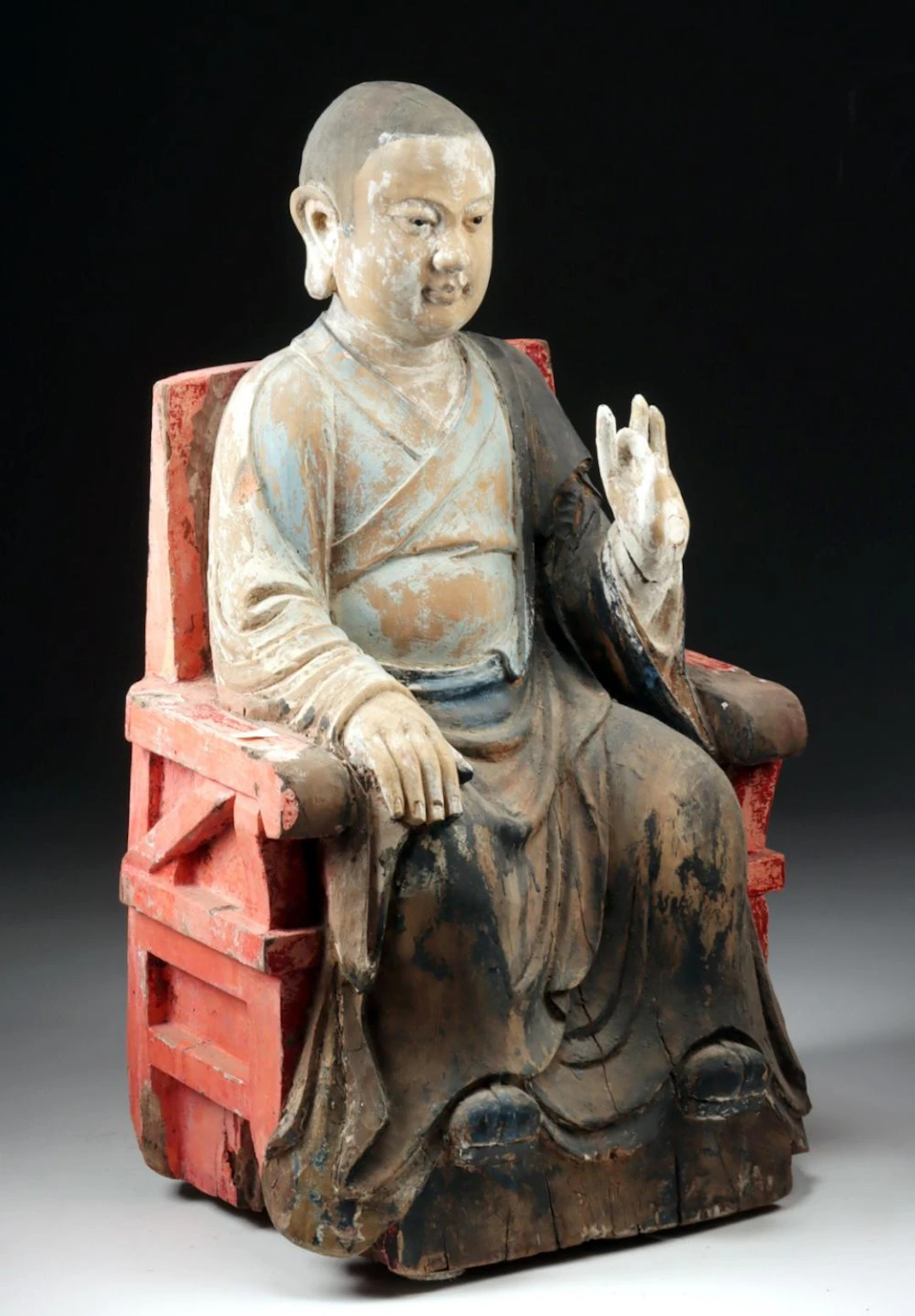
East Asia, China, late Ming to early Qing Dynasty, ca. 17th to 18th century CE. A solemn and sensitively rendered wooden sculpture of a lohan (also known as arhat), a venerable disciple of the Buddha, seated in dignified repose upon a red-lacquered chair. Carved with a commanding yet peaceful expression, the lohan holds his left hand in the shunya mudra - the "seal of patience" - a symbolic gesture associated with cultivating inner calm and transcending the ego. His right hand rests gently on his knee in a naturalistic pose. The figure is draped in a monastic robe that flows in sinuous folds, its surface retaining traces of black, blue, and ochre pigments that contrast beautifully with the bold red of the chair. The figure's glass eyes, set within finely carved sockets, lend a lifelike sense of presence, intensifying the contemplative realism of his gaze. His shaved head, full cheeks, and slightly parted lips reflect the serene self-mastery of a spiritual elder. Size: 11.5" L x 14.4" W x 26" H (29.2 cm x 36.6 cm x 66 cm) During the Ming and Qing periods, such figures were frequently installed in temple halls, either individually or as part of a set of sixteen or eighteen arhats. Their expressive naturalism reflects a broader trend in late imperial Buddhist art toward intimate, accessible portrayals that encouraged personal engagement and reverence. The shunya (or shuni) mudra, formed by touching the tip of the middle finger to the thumb while extending the other fingers, is traditionally believed to dispel inner noise and enhance spiritual discipline. In Buddhist iconography, it is often interpreted as a sign of deep introspection and mental focus - virtues befitting a lohan, who is revered for having attained enlightenment through unwavering devotion. Lohans were highly esteemed in Chinese Buddhism during the Ming and Qing periods, often represented in temple halls in groups of sixteen or eighteen. Sculptures such as this would have served both didactic and devotional functions, embodying the continuity of the Buddha’s teachings through his enlightened followers. The use of realistic elements - like glass eyes and detailed hand gestures - underscores the Ming-Qing period's increasing emphasis on lifelike expression and humanized portrayals in religious art. Item # 193609
Schätzpreis:€892.77
Zur AuktionAlle Objekte ansehen vonArtemis Fine ArtsoderAsiatische Kunst
Schätzpreis:
€892.77
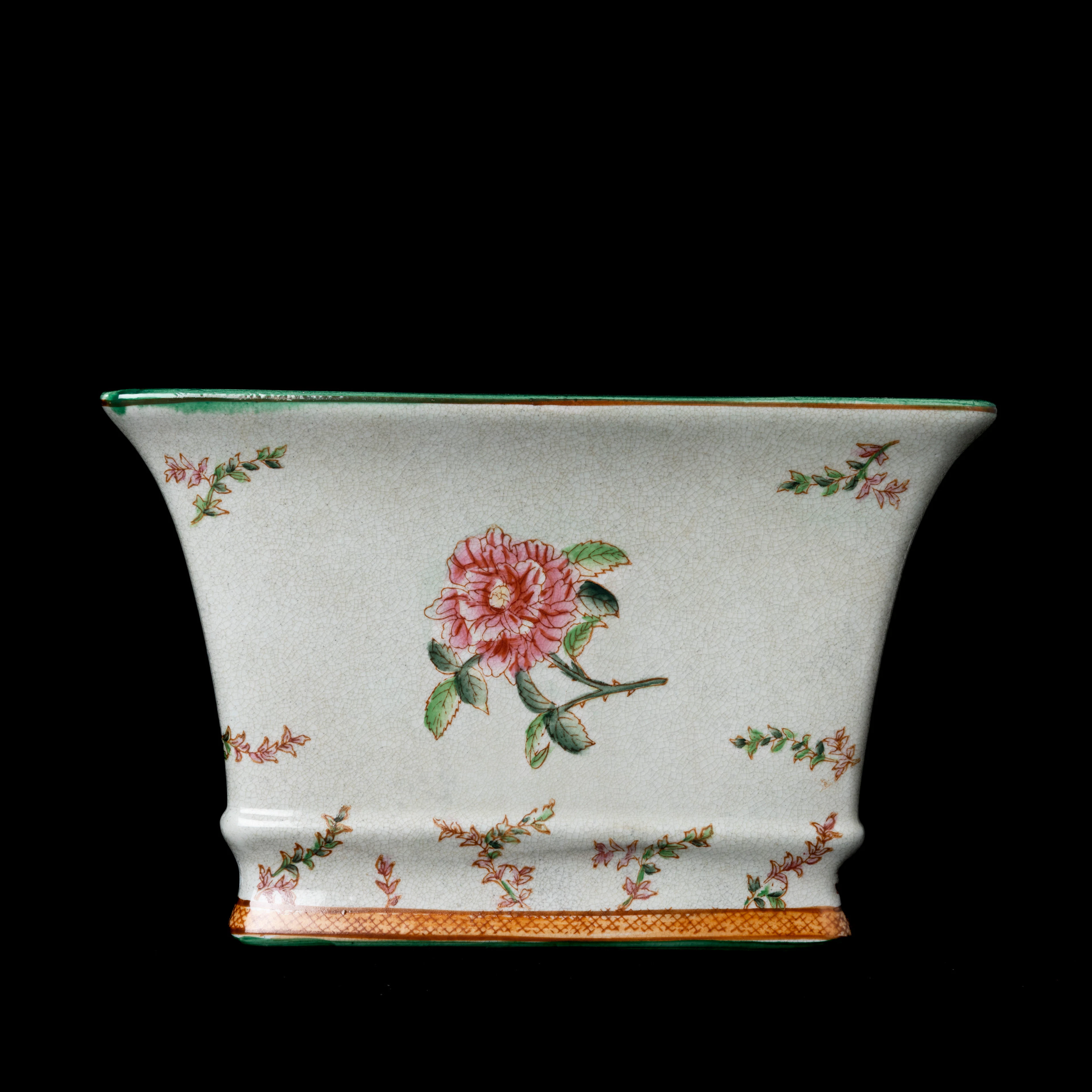
JARDINIERE, porslin, Simply Scandinavia, 2020-tal.
10/06/2026
€40.17
Schätzw.: €71.04
OCT 8 | 3:00 PM


OCT 8 | 3:00 PM

Bringen Sie Ihre Auktion zu Sammlern weltweit!
Jetzt eintragen lassen
€4,000
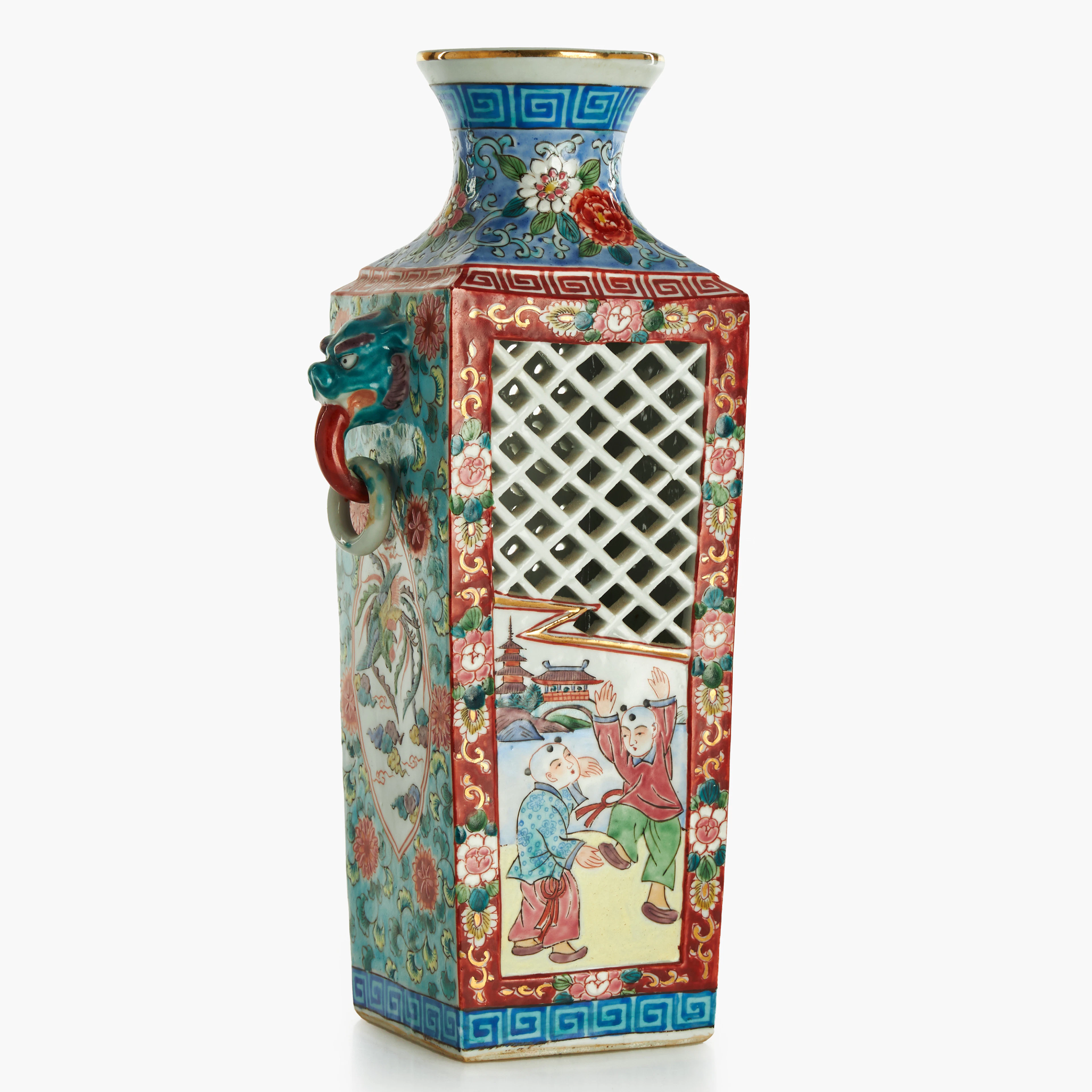
VAS, porslin, Kina, dekor i emaljfärger av figurscener, blommor och
10/06/2026
€26.78
Schätzw.: €71.04
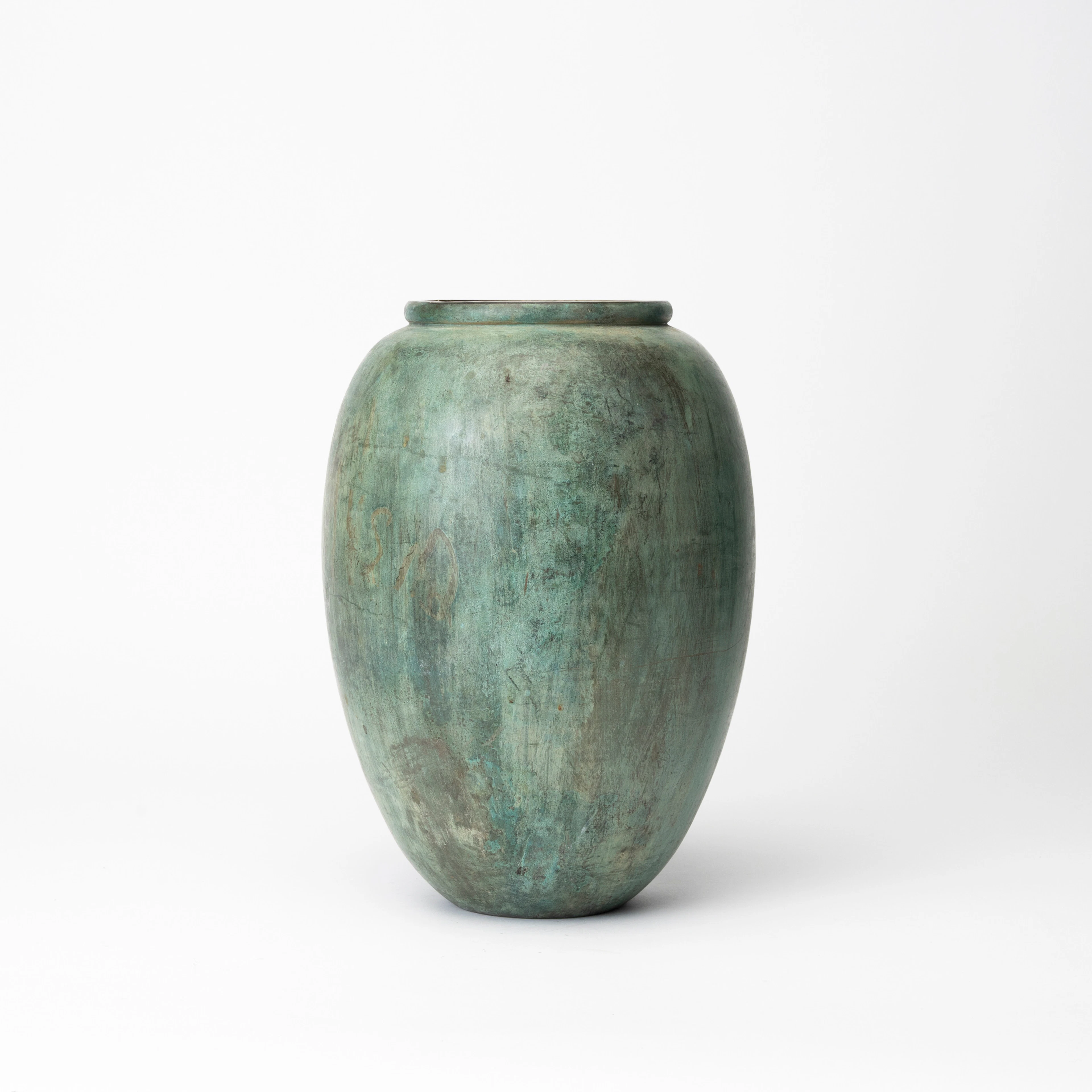
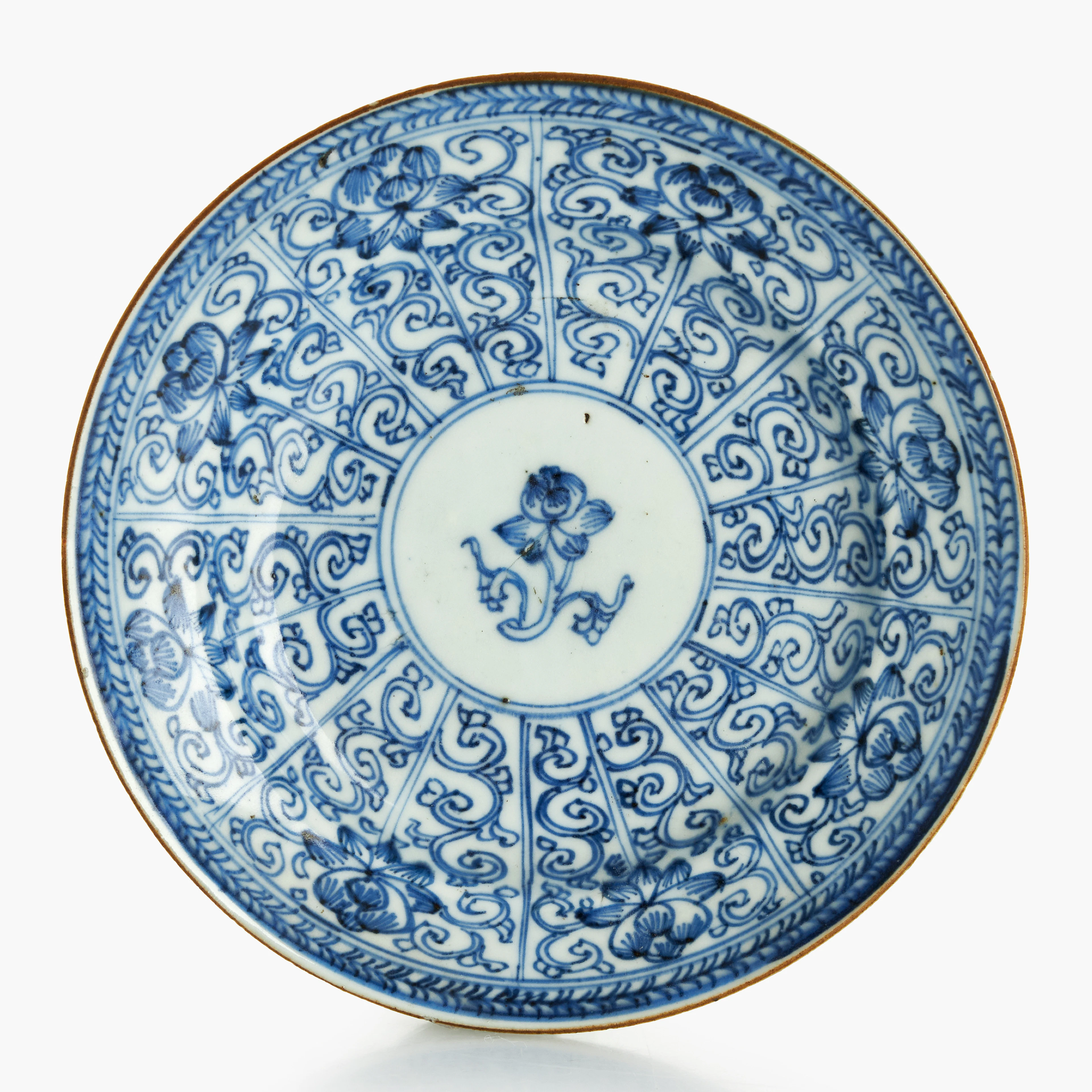
FAT, porslin, Kina, Kangxi (1661-1722), dekor i underglasyrblått.
10/06/2026
€93.75
Schätzw.: €71.04