

Bringen Sie Ihre Auktion zu Sammlern weltweit!
Jetzt eintragen lassenMit der Anmeldung stimmen Sie der Datenschutzrichtlinie zu. Jederzeit abmelden.
Barnebys HQ
Brahegatan 10
BOX 5038
114 37 Stockholm
Alle Auktionen / Zeitgenössische Kunst / Miquel Torner de Semir (1938) - San Jorge y el dragón

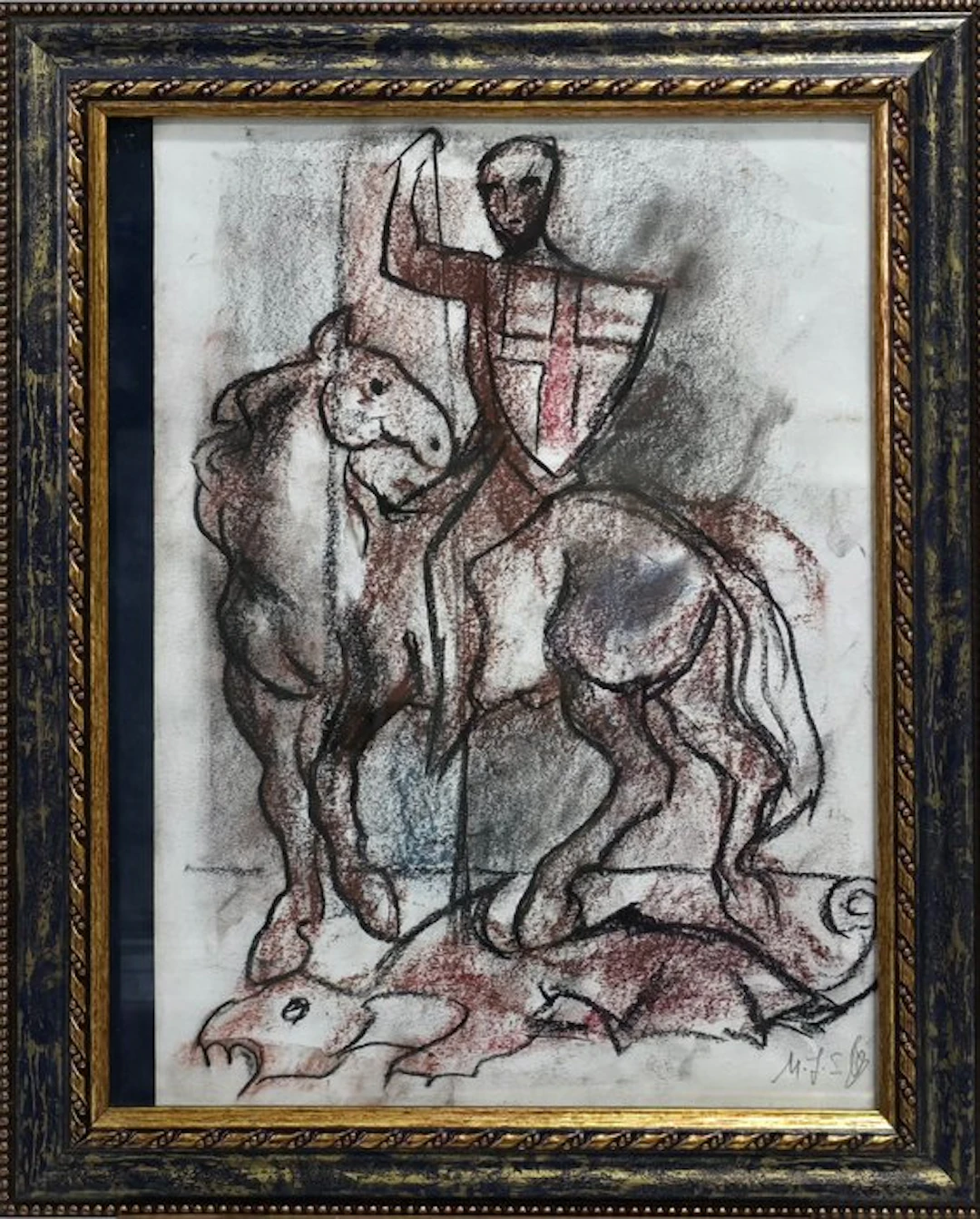
Pictura Galeria presents this magnificent artwork belonging to Miquel Torner de Semir, which depicts a medieval knight, mounted on his horse and protected by a shield with a cross, symbolically conquering the forces of evil. The painting stands out for its excellent technique and the high pictorial quality it conveys. · Frame dimensions: 47.5x39x4 cm. · Artwork dimensions: 39x28 cm. · Hand-signed pastel by the artist in the bottom right corner of the work, Miquel Torner de Semir. · The piece is in good conservation condition. · The work is sold with a precious frame with protective glass (included in the auction as a gift). The work comes from an exclusive private collection in Girona. Important note: the photographs included are an integral part of the lot description. The work will be professionally packaged by IVEX expert (https://www.instagram.com/ivex.online/), using high-quality materials to ensure its protection. The shipping price covers both the cost of professional packaging and the transport itself. Shipping will be carried out by Correos or GLS with tracking. International shipping available. This painting presents a scene of legendary and heroic character starring a knight who advances mounted on a powerful horse. The figure rises in the center of the composition, holding a large shield decorated with a cross, while raising one arm in a determined gesture. At his feet appear several animal shapes and toppled figures suggesting the outcome of a battle, turning the image into a narrative full of strength, symbolism and drama. The composition possesses a pronounced vertical sense. The visual path begins with the figures on the ground, continues through the legs and body of the horse, and culminates in the knight’s head and his raised arm. This ascending structure reinforces the protagonist’s importance, who seems to master everything happening around him and become the main figure of the scene. The knight appears represented frontally, though his body is slightly offset by the horse’s position. His face is serious and focused, with schematic features that convey determination. The dark eyes look forward and add intensity to his expression, while the mouth remains closed, reinforcing the sense of quietness and firmness. One of the protagonist’s arms rises above the head, forming an angular line that introduces movement in the upper part. This gesture can be interpreted as the moment before delivering a blow, as a sign of victory, or as a defensive stance. The object he seems to hold remains partially open to interpretation, but its position increases narrative tension and announces a decisive action. The other arm sits next to the shield, which occupies a prominent part of the composition. Its wide, pointed shape protects the knight’s torso and functions as one of the main visual centers. On its surface a reddish cross stands out, an element that can be associated with faith, valor, protection, and the fight against evil. The cross also allows relating the scene to ancient representations of Christian knights and medieval heroes. The protagonist could evoke Saint George during his confrontation with the dragon, although the image retains enough ambiguity to be understood as a more universal representation of the warrior who protects, fights, and defeats a threat. The knight’s body is defined by straight, angular shapes that contrast with the horse’s curves. His torso seems covered by clothing or armor in browns, grays, and reddish tones. This firm construction gives him an almost monumental appearance, as if he were a figure emerging from an ancient tale or a legend passed down through generations. The horse occupies a large part of the scene and adds strength to the whole. Its head appears on the left side, raised and oriented toward the center. The dark eye, rounded muzzle, and lines across the face give it an intense expression, while the ears and neck position suggest alertness to danger. The horse’s neck curves energetically and connects the head to the central body. The dark lines delineate its anatomy and allow the musculature, chest, and forelegs to be distinguished. The animal does not appear calm but immersed in action, as if advancing, turning, or rearing during the clash. The forelegs seem to plant firmly on the ground, though their irregular position increases the sense of movement. One of them leads while the other stays tucked, creating a dynamic rhythm. The horse thus becomes an essential companion to the knight, actively participating in the fight and sharing his heroic impulse. To the right one can see the great curve of the body and the hindquarters of the animal. This area is formed by broad volumes that convey power and weight. The hind legs descend to the bottom of the composition, where they rest near the fallen figures. The tail appears as several long, wavy lines that add movement. The contrast between the knight’s rigidity and the horse’s curves provides balance. The protagonist maintains a vertical, firm, and controlled attitude, while the animal is expressed through rounded and tense lines. This visual opposition reinforces the relationship between them: the rider embodies will and decision, while the horse embodies strength and physical energy. In the lower area several figures lie stretched on the ground. Some resemble animal shapes, reptiles, or bodies defeated in battle. The figure on the left presents an elongated head with a large eye and an open mouth, which allows associating it with a dragon or a fantastic creature. Its horizontal position contrasts with the knight’s victorious verticality. Other shapes overlap in the lower part, creating an accumulation of bodies and fragments that intensify the drama. Among them are heads, limbs, and silhouettes difficult to fully identify. This ambiguity makes the scene seem to belong to a mythical world where animals, fantastical beings, and warriors participate in a symbolic struggle. The presence of the possible dragon reinforces the interpretation of a battle between good and evil. The knight, protected by the cross shield, appears elevated and dominant, while the creature lies defeated on the ground. The height difference between them visually expresses the protagonist’s triumph and turns the scene into an allegory of courage in the face of danger. The background is formed by gray, brown, and whitish tones that create a hazy atmosphere. No buildings, landscapes, or concrete objects are distinguished, so the action seems to unfold in a timeless space. This absence of references focuses attention on the figures and gives the narration a universal character. The darkest shadows accumulate behind the knight and the horse, separating them from the background. These areas generate depth and make the main silhouettes more present. Around them lighter areas appear that balance the composition and allow distinguishing the shield, the face, and the animals. The color palette remains restrained, with a dominance of grays, browns, blacks, whites, and reddish tones. The red of the cross stands out especially against the light surface of the shield and acts as a central symbol. The browns convey an earthy, ancient feel, while the grays envelop the scene in an atmosphere of memory, legend, and mystery. The work conveys tension without depicting a chaotic moment. The combat seems to have reached its decisive moment or to be near its resolution. The knight keeps the raised arm, the horse stays firm, and the creatures lie on the ground. Everything seems paused just before or after a final action, leaving the rest of the story to the viewer’s imagination. Beyond the concrete scene, the image can be understood as a symbolic representation of human struggle against fear, adversity, or injustice. The dragon or defeated creature embodies what threatens, while the knight represents the courage needed to face it. The shield with the cross adds a spiritual dimension linked to faith and protection. Together, the work portrays a medieval knight mounted on a horse, protected by a shield with a cross and with his raised arm, seeming to have defeated a dragon or several threatening creatures. The composition conveys strength, heroism, and tension, while evoking the ancient legends about the battle between good and evil. The protagonist becomes a symbol of courage, determination, and triumph over adversity.
Schätzpreis:€400
Zur AuktionAlle Objekte ansehen vonCatawikioderZeitgenössische Kunst
Schätzpreis:
€400
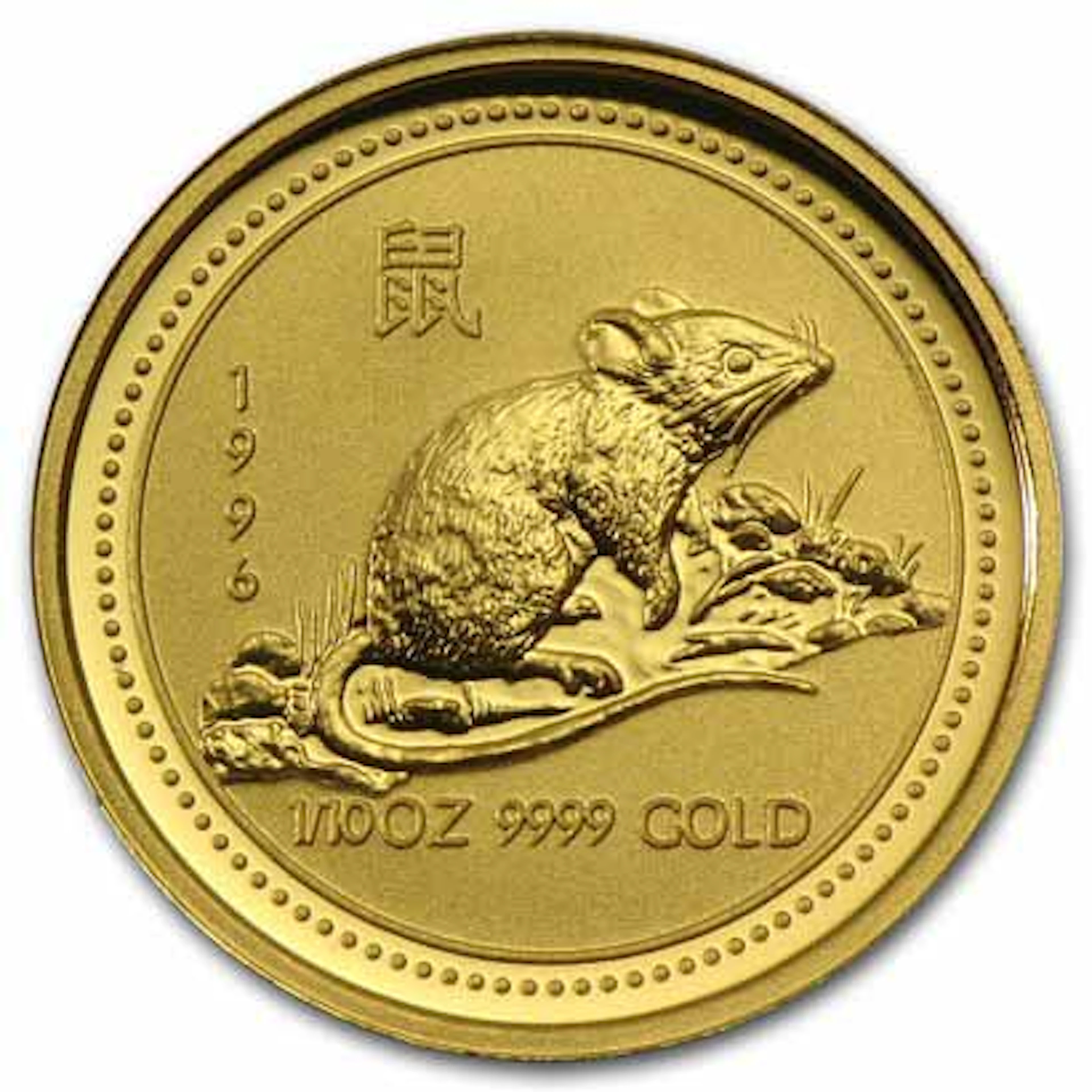
1996 Australia 1/10 oz Gold Lunar Rat (Series I)
12/06/2017
€399
Schätzw.: €495.6



Bringen Sie Ihre Auktion zu Sammlern weltweit!
Jetzt eintragen lassen€2,800
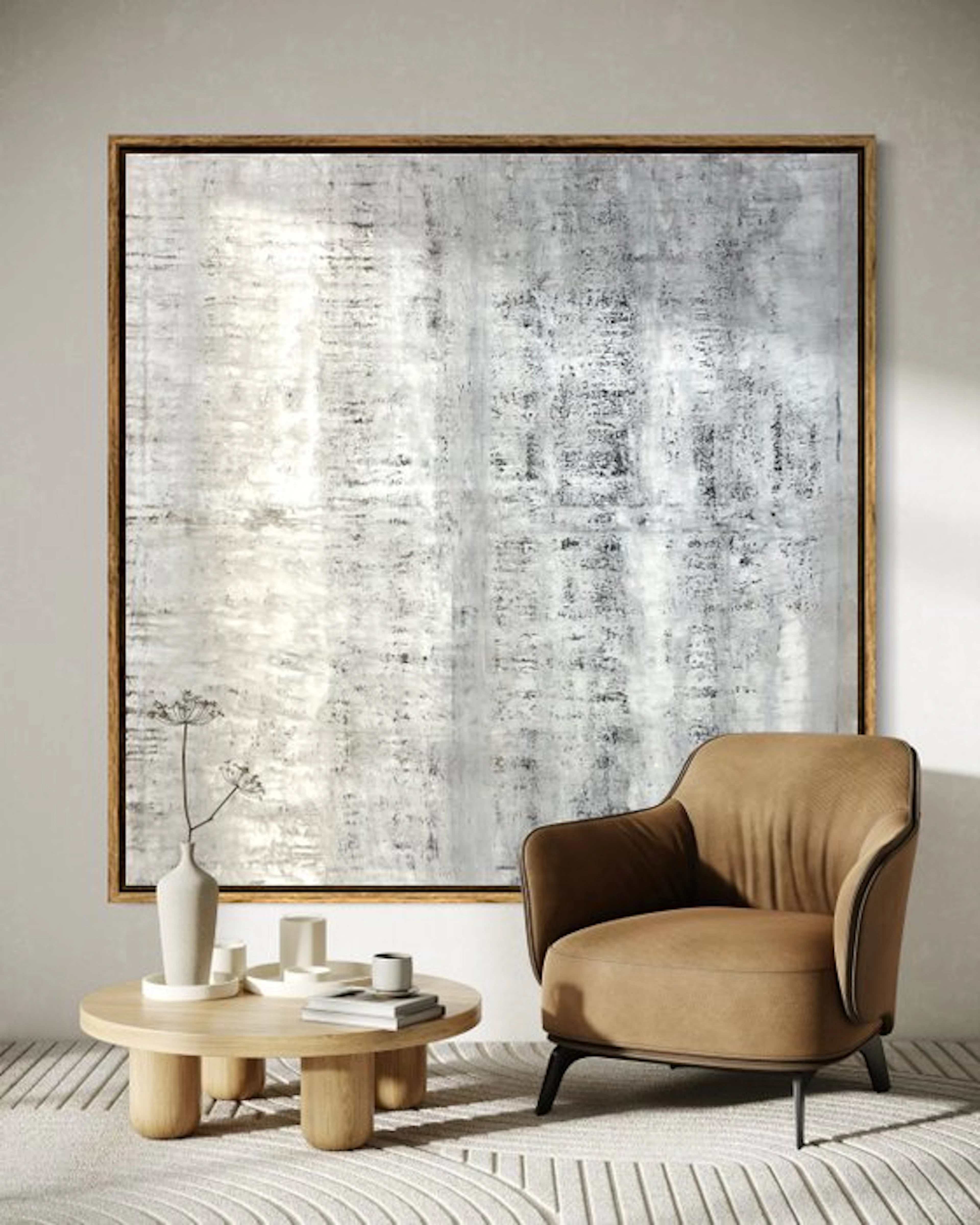
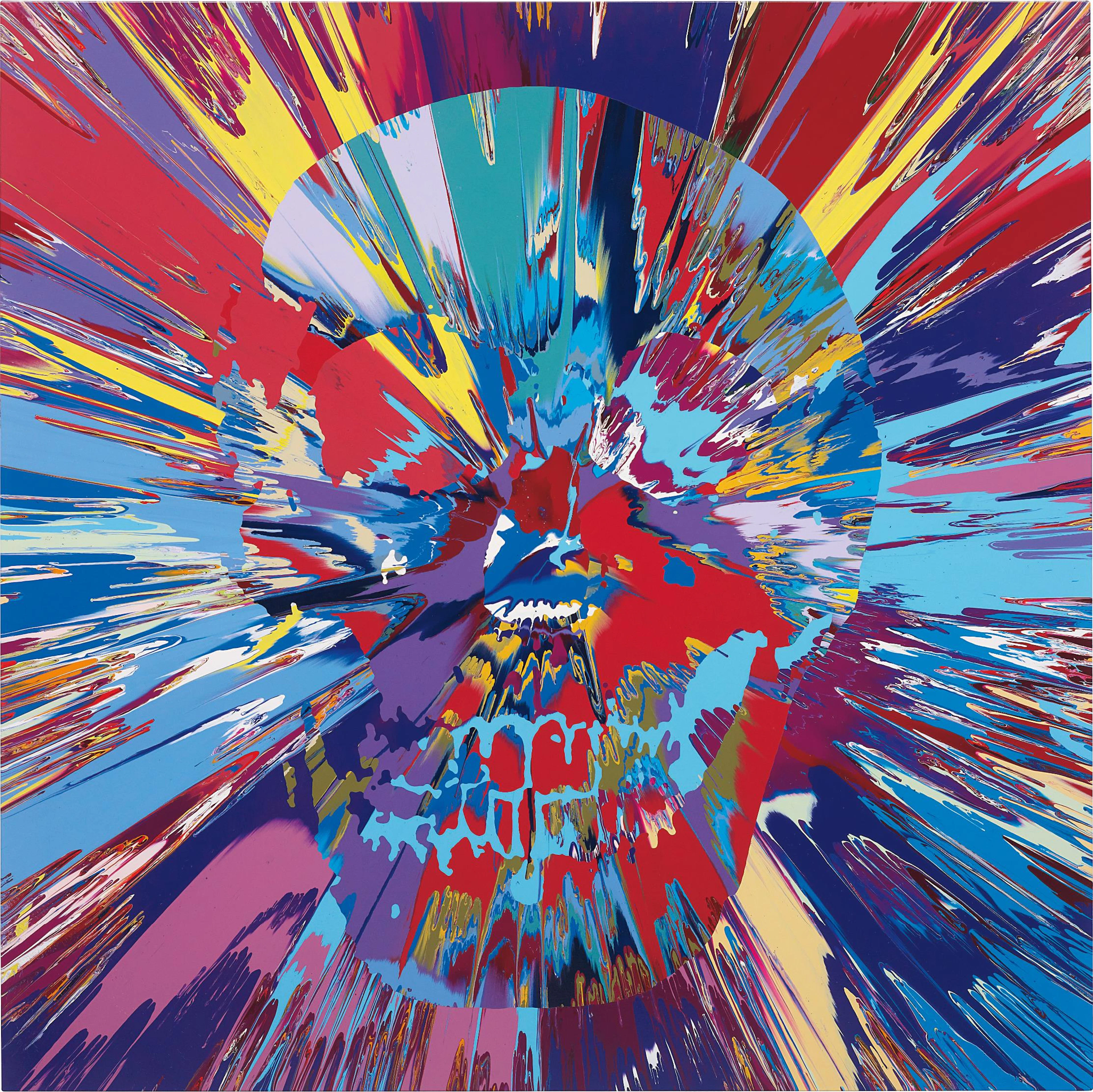
Beautiful Mider Intense Cathartic Painting (with Extra Inner Beauty) – Damien Hirst
03/08/2017

€525,330
Schätzw.: €409,500