![[COLLECTION OF 16TH-CENTURY COURT PORTRAITS IN PENCIL]. A co - Lot 8](https://bbys.imgix.net/337/18f9b4377471824dbde76b11e657ac1fa613aee9759737b84a5aea28abe9888f.webp?auto=format&w=3840&q=75)




Alle Auktionen / Kunst und Drucke / PHILIP WILSON STEER (BRITISH 1860-1942), VIEW OF LUDLOW: AUTUMN SUNSET
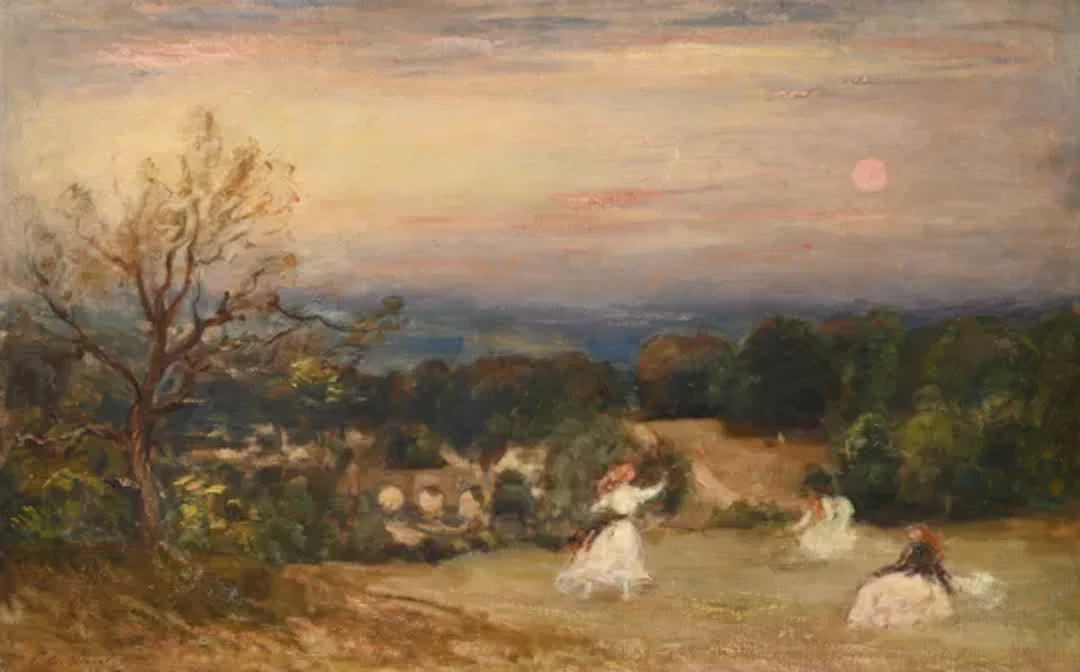
PHILIP WILSON STEER (BRITISH 1860-1942) VIEW OF LUDLOW: AUTUMN SUNSET Oil on canvas Signed (lower left) 57.5 x 92.5cm (22½ x 36¼in.) Painted circa 1909. Provenance: Private Collection, Geoffrey T. Blackwell, Haresfoot, Hertforshire, 1909 By descent to Thomas F. Blackwell Sale, Christie's London, 8 June 1979, lot 17 The Fine Art Society, London Exhibited: London, Arthur Tooth & Sons Ltd, Exhibition of Pictures from a Private Collection, 15 April - 8 May 1943, no 22 Literature: D.S. MacColl, Life, Work and Setting of Philip Wilson Steer, Faber & Faber, 1945, p. 212 Bruce Laughton, Philip Wilson Steer 1860-1942, Clarendon Press, 1971, p. 148, no. 437, pl. 181, illus. Philip Wilson Steer was fascinated by the work of the earlier Romantic landscape tradition of the 18th and early 19th Centuries, and in particular of Rubens, Watteau, Thomas Gainsborough, John Constable and J.M.W. Turner. It is evident that he also explored the work of Corot, Pissarro and Courbet. As Laughton states, he did not absorb the work of the earlier artists wholesale, rather, he explored their work ‘one at a time, in particular paintings, so that throughout the later nineties his production really consists of essays in style, some of which came more naturally to him than others. (Laughton, op. cit, p. 83). Steer’s interest lay not only in how the earlier artists explored composition and topic, but also in how they expressed themselves through their exploration and experimentation with painting techniques, as well as through their chosen subjects, what elements of a scene they included and the effects of weather, light and shade. As part of Steer's desire to revive British landscape painting, he undertook annual summer progresses, in the same way that the earlier masters undertook summer trips in search of suitable subjects. In this he was often accompanied by fellow N.E.A.C. founders, Fred Brown and William Coles. In 1898, following a trip to Yorkshire and the Welsh borders, Steer arrived in Ludlow exactly a century after Turner had visited. He found much to inspire him in the town and returned again the following year. The Severn Vallery and expansive views over the River Teme particularly inspired Steer. He first explored the present subject in a painting of 1898-9. He revisited the subject in circa 1906, and the present painting is a slightly smaller version of this second painting. When the second version was sold at The Goupil Gallery in 1909, Geoffrey Blackwell who had missed out on buying the painting, commissioned Steer to paint this version. According to Laughton, in this version, the paint was applied more thinly and the colours are of a different, evening light. (Laughton, op. cit, p. 146). Blackwell first encountered Steer's work following an article about the artist in The Times in 1906; he went on to become the artist's most important patron. Condition Report Disclaimer, PHILIP WILSON STEER (BRITISH 1860-1942), VIEW OF LUDLOW: AUTUMN SUNSET, PHILIP WILSON STEER (BRITISH 1860-1942) VIEW OF LUDLOW: AUTUMN SUNSET Oil on canvas Signed (lower left) 57.5 x 92.5cm (22½ x 36¼in.) Painted circa 1909. Provenance: Private Collection, Geoffrey T. Blackwell, Haresfoot, Hertforshire, 1909 By descent to Thomas F. Blackwell Sale, Christie's London, 8 June 1979, lot 17 The Fine Art Society, London Exhibited: London, Arthur Tooth & Sons Ltd, Exhibition of Pictures from a Private Collection, 15 April - 8 May 1943, no 22 Literature: D.S. MacColl, Life, Work and Setting of Philip Wilson Steer, Faber & Faber, 1945, p. 212 Bruce Laughton, Philip Wilson Steer 1860-1942, Clarendon Press, 1971, p. 148, no. 437, pl. 181, illus. Philip Wilson Steer was fascinated by the work of the earlier Romantic landscape tradition of the 18th and early 19th Centuries, and in particular of Rubens, Watteau, Thomas Gainsborough, John Constable and J.M.W. Turner. It is evident that he also explored the work of Corot, Pissarro and Courbet. As Laughton states, he did not absorb the work of the earlier artists wholesale, rather, he explored their work ‘one at a time, in particular paintings, so that throughout the later nineties his production really consists of essays in style, some of which came more naturally to him than others. (Laughton, op. cit, p. 83). Steer’s interest lay not only in how the earlier artists explored composition and topic, but also in how they expressed themselves through their exploration and experimentation with painting techniques, as well as through their chosen subjects, what elements of a scene they included and the effects of weather, light and shade. As part of Steer's desire to revive British landscape painting, he undertook annual summer progresses, in the same way that the earlier masters undertook summer trips in search of suitable subjects. In this he was often accompanied by fellow N.E.A.C. founders, Fred Brown and William Coles. In 1898, following a trip to Yorkshire and the Welsh borders, Steer arrived in Ludlow exactly a century after Turner had visited. He found much to inspire him in the town and returned again the following year. The Severn Vallery and expansive views over the River Teme particularly inspired Steer. He first explored the present subject in a painting of 1898-9. He revisited the subject in circa 1906, and the present painting is a slightly smaller version of this second painting. When the second version was sold at The Goupil Gallery in 1909, Geoffrey Blackwell who had missed out on buying the painting, commissioned Steer to paint this version. According to Laughton, in this version, the paint was applied more thinly and the colours are of a different, evening light. (Laughton, op. cit, p. 146). Blackwell first encountered Steer's work following an article about the artist in The Times in 1906; he went on to become the artist's most important patron. circa, Provenance:, Exhibited:, Exhibition of Pictures from a Private Collection, Literature:, Life, Work and Setting of Philip Wilson Steer, Philip Wilson Steer 1860-1942, , in particular paintings, so that throughout the later nineties his production really consists of, , some of which came more naturally to him than others. op. cit, and the colours are of a different, evening light, op. cit, The Times, Condition Report Disclaimer
Schätzpreis:€11,784.01
Zur AuktionAlle Objekte ansehen vonDreweattsoderKunst und Drucke
Schätzpreis:
€11,784.01
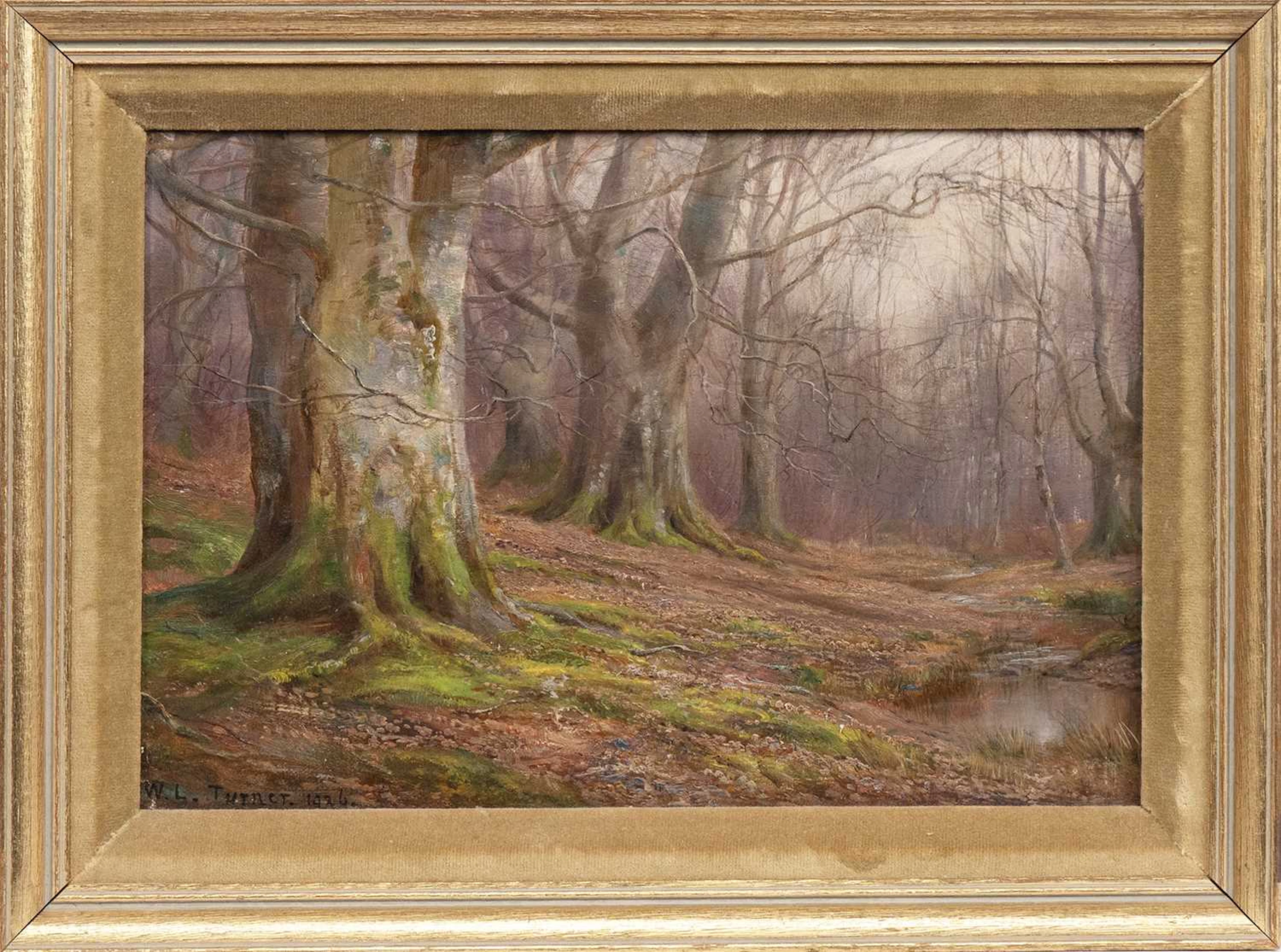
WILLIAM LAKIN TURNER (BRITISH 1867 - 1936) WOOD IN WINTER
10/07/2026

€330.34
Schätzw.: €117.09
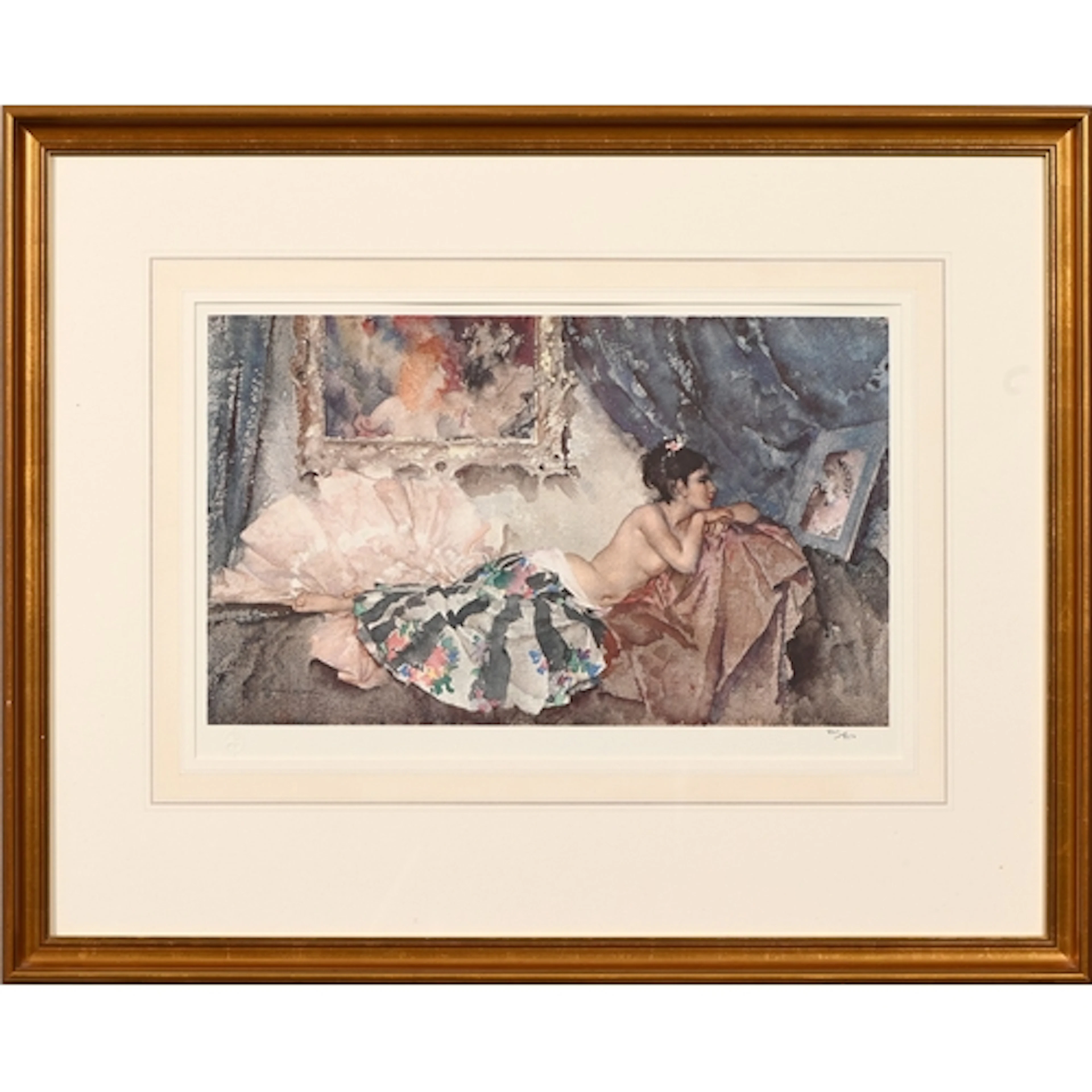
Sir William Russell Flint RA (1880-1969) - Three limited edi...
10/06/2026

€117.97
Schätzw.: €116.61
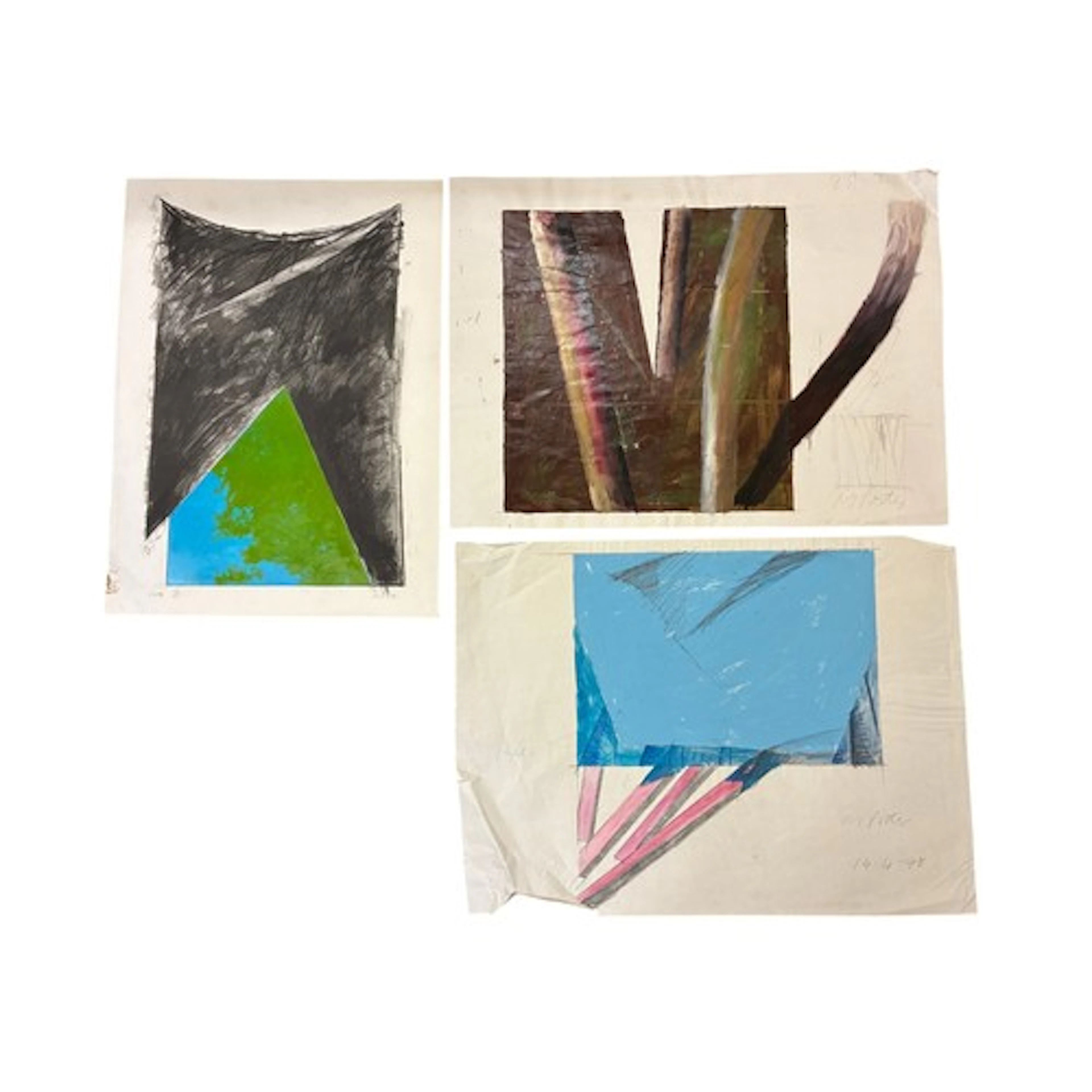
A studio collection of ten originals artworks, prints and a ...
09/30/2026
€23.46
Schätzw.: €23.33
A studio collection of ten originals artworks, prints and a ...
09/29/2026
€23.41
Schätzw.: €23.32




Bringen Sie Ihre Auktion zu Sammlern weltweit!
Jetzt eintragen lassenMit der Anmeldung stimmen Sie der Datenschutzrichtlinie zu. Jederzeit abmelden.
Barnebys HQ
Brahegatan 10
BOX 5038
114 37 Stockholm
