





Alle Auktionen / Fotografien / Tina Modotti (1896–1942) - Hammer and Sickle, Mexico City 1927

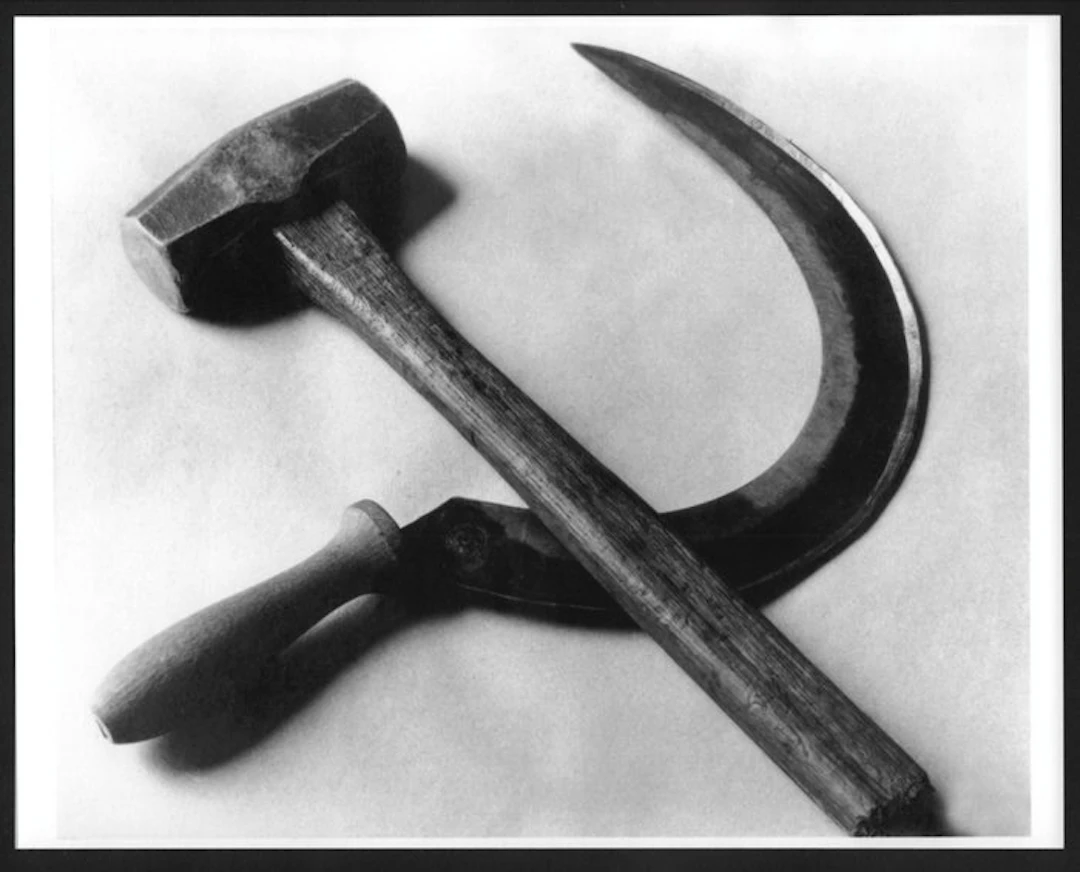
Gelatin silver print on baryta paper, 30x24 cm, Galerie Bilderwelt, portfolio edition of 5. Print shown in the exhibition, catalog & portfolio "TINA MODOTTI -Photographien & Dokumente" Berlin 1989, the first exhibition of Modottis work in Germany. It was organized in cooperation with Fototeca del Inah, Pachuca, Mexico, the repository of the surviving Modotti negatives transferred from Trieste to Mexico in the 1970s by Carlos Vidali, son of Vittorio Vidali, the last companion of Tina Modotti. This image was also shown in the exhibition TINA MODOTTI produced by Galerie Bilderwelt for the Museo Cerralbo as part of XXV edition of PHotoESPAÑA in 2022.It is documented in the video https://www.youtube.com/watch?v=LrKmxgnf3pI Other exhibitions include: Parma 2019 https://www.youtube.com/watch?v=nwxiaP_s494 The photograph "Hammer and Sickle" was taken in 1927 by the Italian photographer and activist Tina Modotti in Mexico City. It marks a decisive turning point in her body of work, a moment where she fused the aesthetics of modernism with radical political activism. Regarding this image and its significance, the following key aspects can be noted: Origins and Political Context In 1927, Modotti officially joined the Mexican Communist Party (PCM). The photograph depicts the bare tools—a heavy hammer and a curved sickle—crossed over one another. In doing so, she directly invoked the classic symbol of the Russian Bolshevik Revolution. The image was created as part of a series of political still lifes, which were frequently published in the communist newspaper *El Machete* or featured on the cover of the American leftist magazine *The New Masses*. [1, 2] Part of a Conceptual Series The straightforward depiction of the hammer and sickle served as the first stage in a deliberate photographic evolution: • Step 1: The pure, almost abstract representation of the hammer and sickle as a universal communist symbol. • Step 2: The addition of a Mexican sombrero (a sombrero with a hammer and sickle), intended to anchor the symbol within the local culture. • Step 3: The replacement of the classic tools with distinctly Mexican symbols of the revolution and the land—such as ears of corn, bandoliers, and guitars. In art history, this process is often described as Modotti’s attempt to "Mexicanize" communism. Her goal was to provide local peasants and workers with a visual language that resonated directly with their own lived realities and the history of the Mexican Revolution. Aesthetics and Style The photograph is characterized by the influence of formalism and the "straight photography" style, which Modotti learned from her mentor and former partner, Edward Weston. Rather than staging these tools within a romanticized setting, Modotti employs: • Extremely sharp focus. • Strong contrasts between light and shadow (chiaroscuro). • A stripped-back, graphic composition that lends everyday objects a monumental, almost sculptural dignity. Today, this work is considered a milestone in critical photojournalism and 20th-century political avant-garde photography.
Schätzpreis:€400
Zur AuktionAlle Objekte ansehen vonCatawikioderFotografien
Schätzpreis:
€400

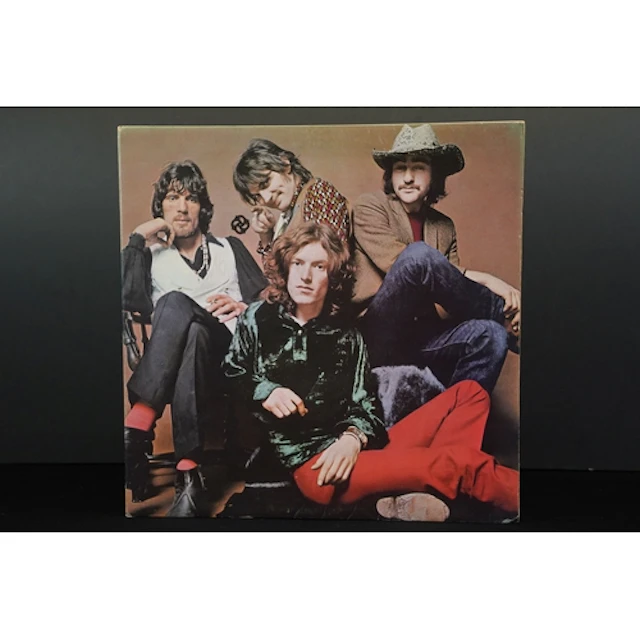
Vinyl - Traffic – self titled LP on Island records - ILPS 90...
10/23/2026

€113.42
Schätzw.: €35.83
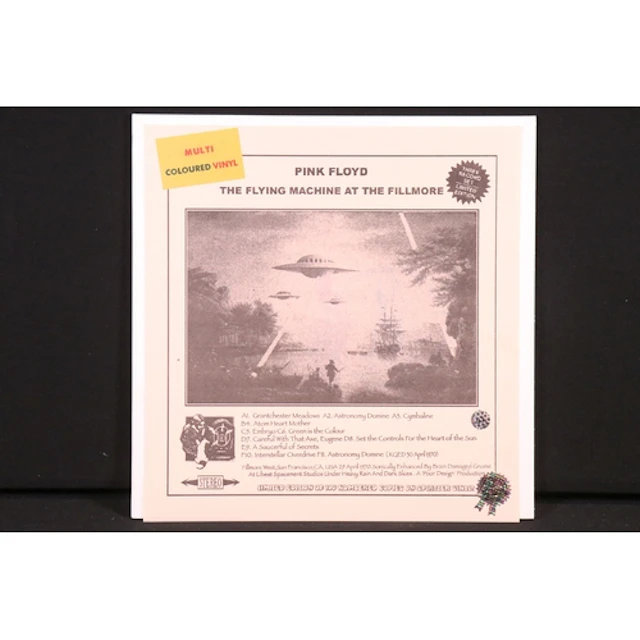
Vinyl - Pink Floyd – The Flying Machine At The Fillmore trip...
10/23/2026
€226.84
Schätzw.: €83.61




Bringen Sie Ihre Auktion zu Sammlern weltweit!
Jetzt eintragen lassenMit der Anmeldung stimmen Sie der Datenschutzrichtlinie zu. Jederzeit abmelden.
Barnebys HQ
Brahegatan 10
BOX 5038
114 37 Stockholm
