


Alle Auktionen / Antike Kunst / Western Asiatic Terracotta Judean Pillar Figurine

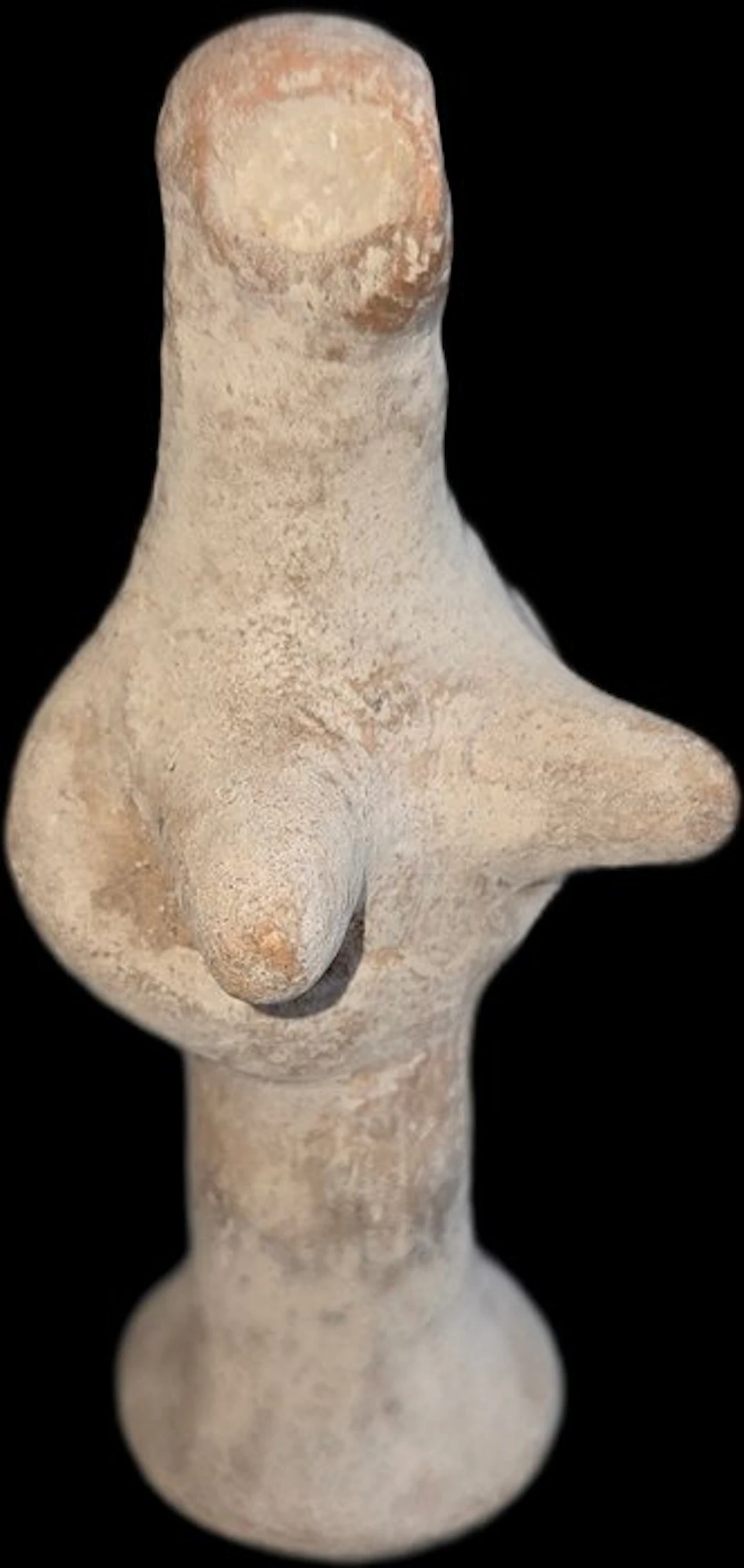
Ancient Near East, Holyland, Judean pillar figurine, handmade from clay 500-800BC, Biblical land . Intact. Height 11.5 cm. Rare. First discovered more than one hundred years ago, Judean pillar figurines continue to be poorly understood in scholarship today. Judean pillar figurines—abbreviated JPFs—were prevalent in Judah during the First Temple period (ca. 800–586 B.C.). These household objects, are not present in Judah following the Babylonian conquest in 586 B.C. in the September/October 2014 issue of Biblical Archaeology Review, Robert Deutsch provides an overview of these puzzling pillar figurines. To begin, the name “Judean pillar figurine”—as these objects are universally called—is somewhat of a misnomer. The land in which these pillar figurines were found was called Judah, not Judea. The name Judea emerged when the southern Levant came under Roman rule beginning in the first century B.C.E. The adjective Judahite—to describe the people and material culture of Judah—is a recent designation. Deutsch believes these Iron Age pillar figurines in question are more accurately represented by the name “Judahite pillar figurines.” They are also called JPFs for simplicity. JPFs are clay female figurines with heads rendered largely in two major types: those that are handmade and those that are mold-made. The handmade heads , like this one, are fashioned in a rudimentary way, with their faces pinched to form two eyes. The heads made from molds display hairstyles resembling Egyptian wigs, with rows of curls, and defined facial features. A solid cylindrical pillar is used for the bodies of both types of JPFs. Both types also have oversized breasts, under which the arms curve. The form, function and symbolism of these pillar figurines have been heavily debated, with many questions still remaining. Archaeologist Raz Kletter, who is considered an authority on JPFs, believes the figurines represent Asherah—a Canaanite goddess whom some scholars contend was worshiped as God’s wife or consort. Others have suggested, however, that JPFs represent the goddesses Astarte or Anath. Further, were JPFs fertility goddesses? Good-luck charms? Toys? The scholarly community has not reached a consensus. Will be shipped registered and insured. I combine shipping. See also my other auctions. I only ship in EU. When you bid make sure you have a shipping adress in EU. The supplier warrants that they obtained this lot in a legal manner. The seller guarantees that they are entitled to sell/export this lot. The seller will take care that any necessary permits, like an export license, will be arranged. The seller will inform the buyer about the status of the permits if this takes more than a few days.
Schätzpreis:€650
Zur AuktionAlle Objekte ansehen vonCatawikioderAntike Kunst
Schätzpreis:
€650
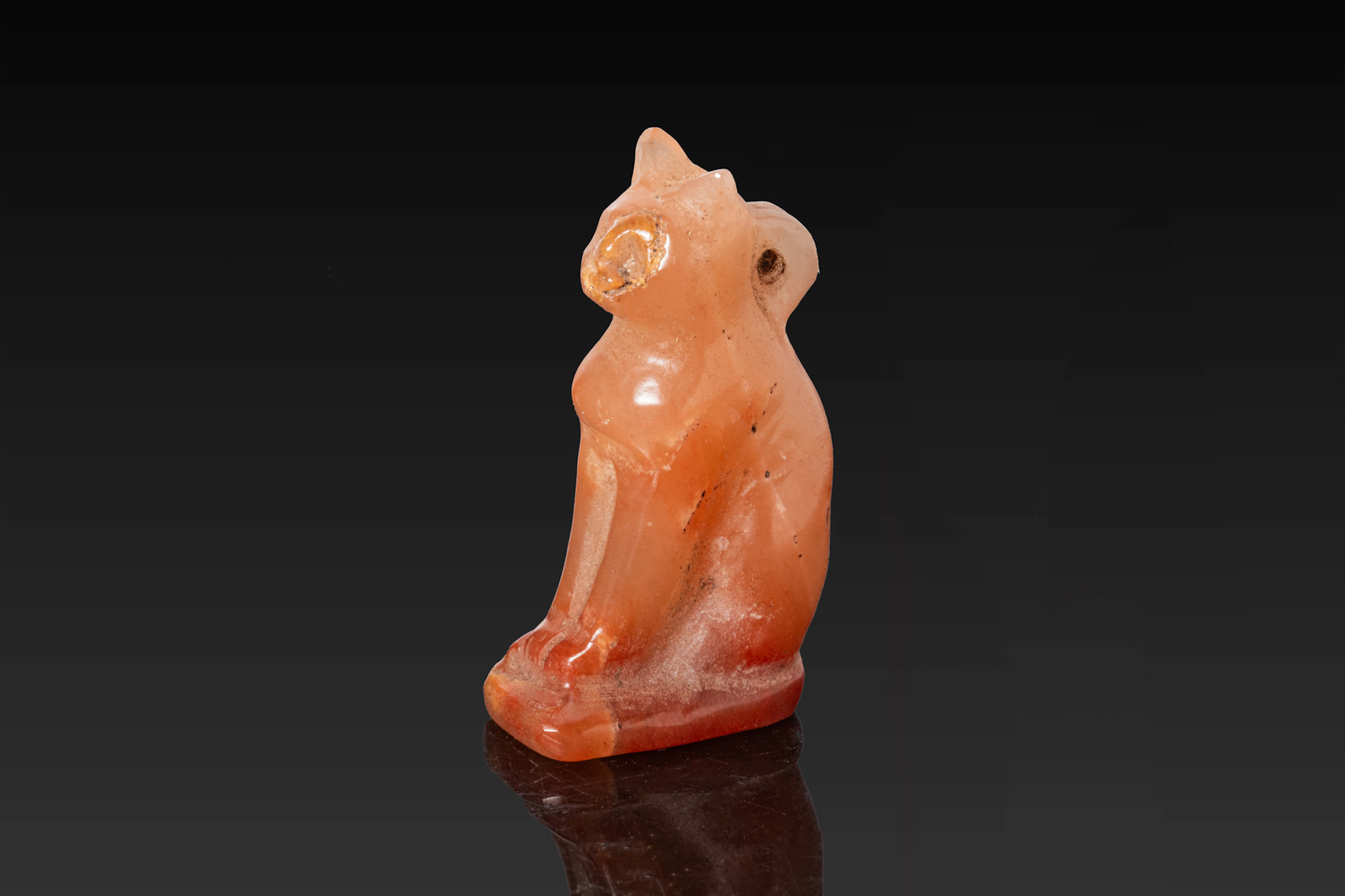
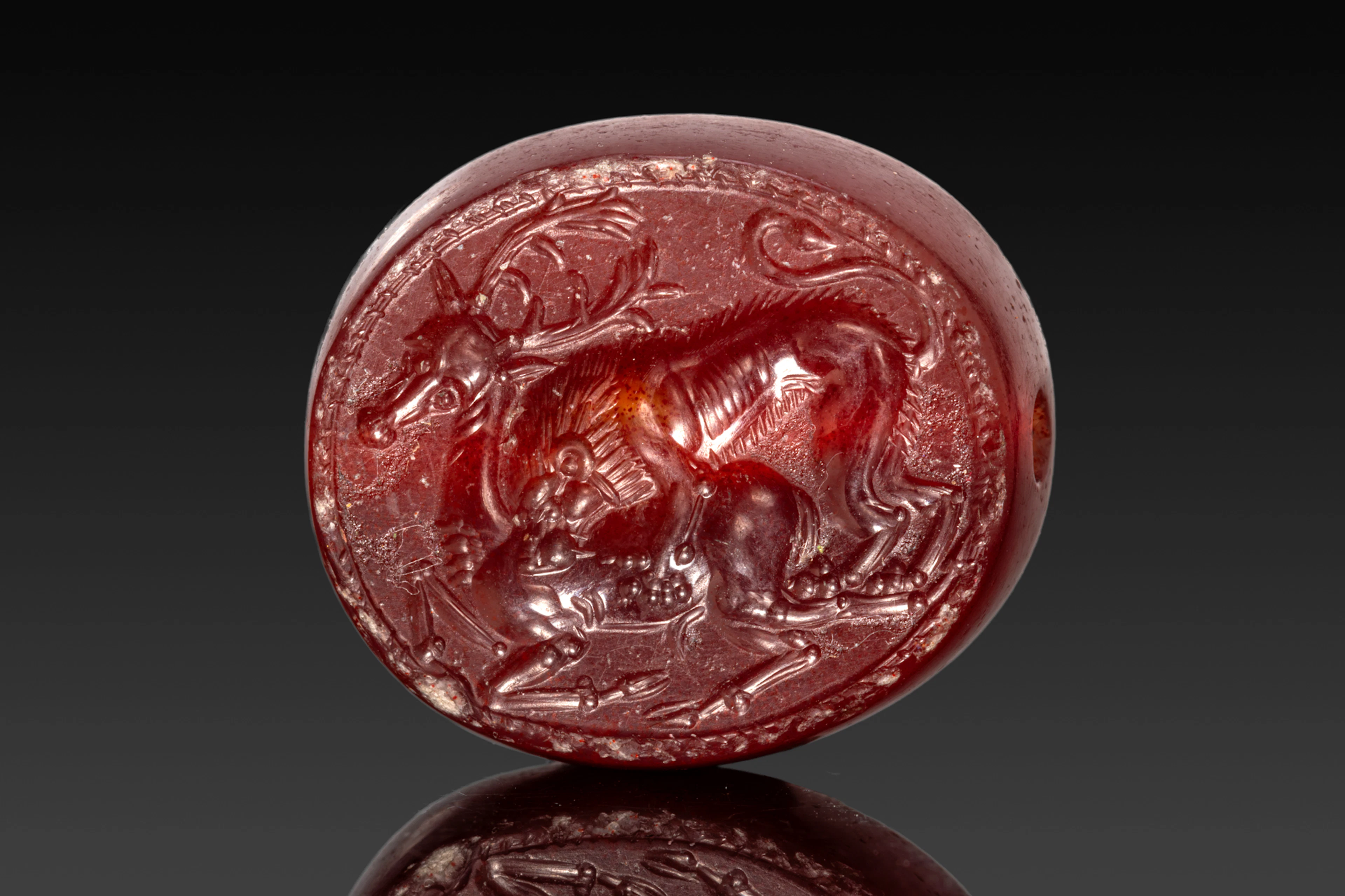
ETRUSCAN CARNELIAN STAMP SEAL WITH A LION ATTACKING A STAG
06/21/2026

€5,796.91
Schätzw.: €5,773.91
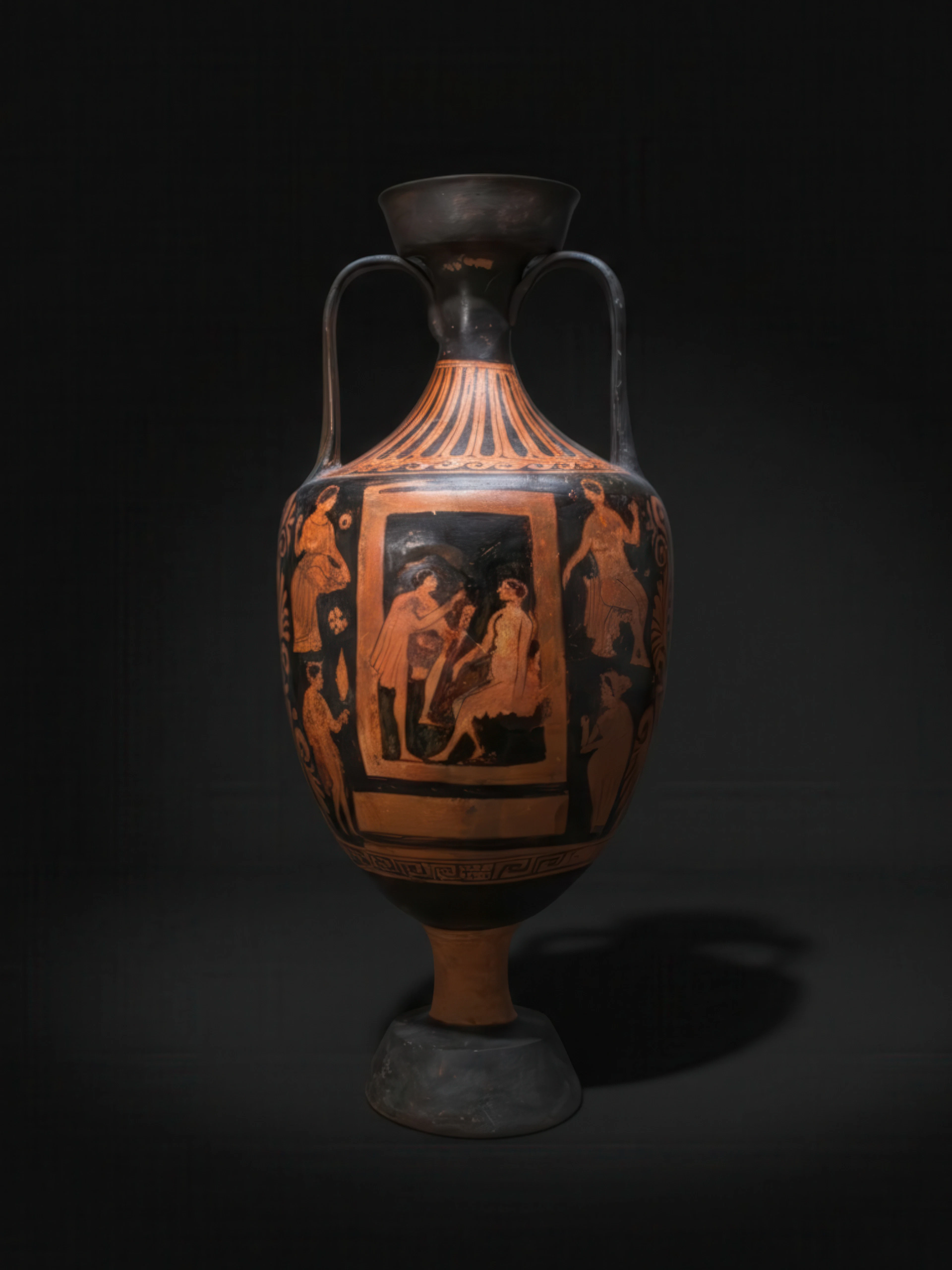
LARGE APULIAN RED-FIGURE AMPHORA WITH NAISKOS SCENE AND ALTAR
06/21/2026
€6,376.6
Schätzw.: €5,773.91




Bringen Sie Ihre Auktion zu Sammlern weltweit!
Jetzt eintragen lassenMit der Anmeldung stimmen Sie der Datenschutzrichtlinie zu. Jederzeit abmelden.
Barnebys HQ
Brahegatan 10
BOX 5038
114 37 Stockholm
